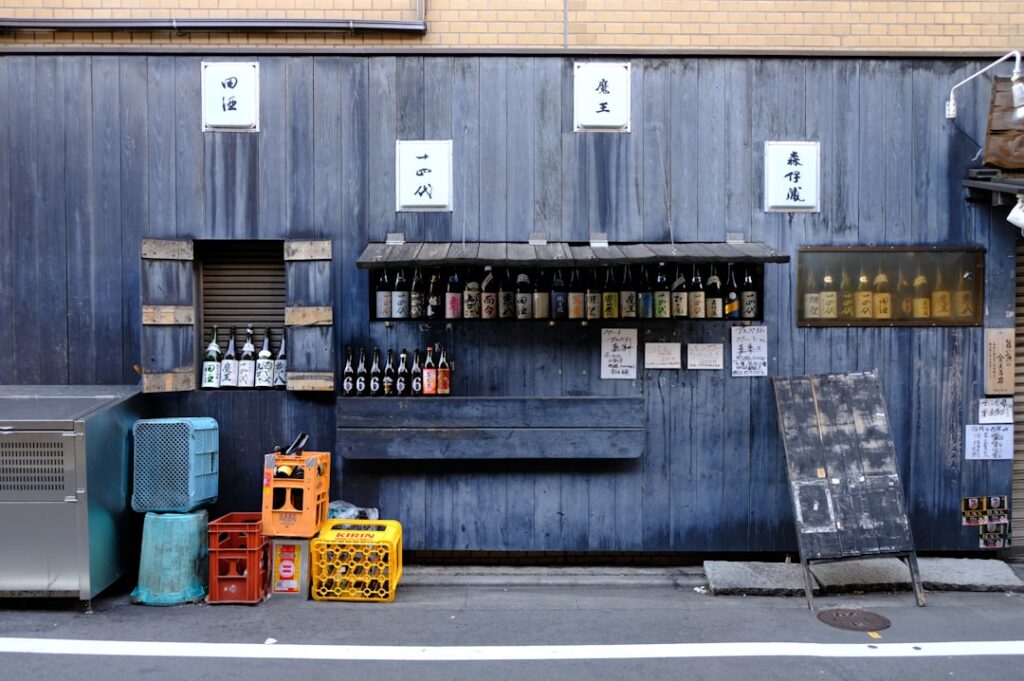

Japan’s sake scene is undergoing a quiet revolution in 2025, driven by a passionate new generation of brewers and adventurous travelers. For those eager to step off the well-trodden path, the country’s regional sake breweries are offering deep, immersive experiences that reveal a world far beyond the supermarket bottle shelf. From donning the apron of a “kurabito” (sake maker) to savoring exclusive pairings in hidden locals-only taverns, this journey explores the evolving craft, culture, and community that define Japan’s sake renaissance. Whether you’re a connoisseur or a curious newcomer, prepare to discover sake—and Japan—in a way you’ve never imagined before.
Japan’s New Wave of Craft Sake Breweries: Local Revival and National Trend

The landscape of sake brewing is dramatically shifting in 2025. Driven by changing consumer preferences, a renewed appreciation for regional flavors, and a desire to connect traditional craftsmanship with modern sensibilities, small-batch sake breweries are thriving like never before. Emerging hotspots such as Niigata and Nada (Kobe) are not only reinventing classic techniques but also inviting visitors into their warehouses to witness the process firsthand.
Unlike large commercial producers, these boutique breweries often focus on quality over quantity and frequently use locally sourced rice and pure mountain water. Many young brewers are returning to their families’ rural roots after years in the city, infusing new creativity into classic traditions. Sake is no longer just a beverage—it’s a story of locality, sustainability, and innovation in every sip.
Immersive Sake Tours: Kurabito Experience & Premium Tasting Programs

Gone are the days when sake tourism meant a quick brewery tour and a sip at the bar. Across Japan, elite sake brewers are now offering immersive “kurabito experiences”—hands-on programs where guests suit up in brewery uniforms, learn fermentation secrets, and even help rice polishing or koji making. It’s a chance to step into a centuries-old world, guided by master brewers who share both their techniques and their family stories.
Alongside these workshops, exclusive premium tasting sessions are booming. Unlike standard tastings, these curated encounters might pair extremely limited seasonal sake with local specialties, or feature vertical tastings across vintages, often in atmospheric settings like centuries-old warehouses, riverside terraces, or even candle-lit caves. These deep-dive programs are rapidly growing in popularity with international travelers seeking unique, authentic memories.
Regional Hidden Sake Gems: Niigata, Nada, and Beyond
While well-known regions like Kyoto’s Fushimi are on the tourist map, 2025’s sake insiders are making pilgrimages to lesser-known brewing towns—places where traditions are preserved and innovation is quietly underway.
- Niigata: Famous for its clean snowmelt water, Niigata’s breweries such as Hakkaisan and Imayo Tsukasa are renowned for their elegant, dry sake. Small family-run operations in the mountains now open their doors, offering personalized tours and rice field walks.
- Nada (Kobe): With its mineral-rich groundwater and maritime climate, Nada stands at the heart of Japan’s sake production. Here, breweries like Kikumasamune balance global fame with deeply local appeal, offering limited releases only available onsite.
- Hidden Boutique Breweries: From Akita’s rice valleys to Shikoku’s countryside, dozens of microbreweries, often tucked behind unmarked wooden gates, welcome those in the know for warm, often spontaneous tastings—sometimes hosted by the owners themselves.
Local festivals, especially in autumn and winter, allow visitors to mingle with brewers, try fresh unpasteurized sake, and indulge in seasonal street food. For the truly adventurous, tracking down these hidden breweries using recommendations from local residents makes for the ultimate off-the-beaten-path experience.
Sake Meets Local Flavors: Japan’s Latest Food & Sake Pairing Experiences
The sake renaissance isn’t just about what you drink—it’s about what you eat alongside it. Across Japan, innovative chefs partner with nearby sake makers to craft tasting menus that spotlight regional terroir. Expect dishes like charcoal-grilled Echigo pork with herbal notes from Niigata’s junmai, or Kobe’s luxurious Tajima beef paired with a bold, umami-rich junmai daiginjo.
Local izakayas and fine dining establishments now feature sake-pairing flights, where even seasoned oenophiles are surprised by how sake’s subtle variations can complement sushi, tempura, or miso-laden mountain stews. Workshops on sake and cheese matching, or pop-up “food x sake” evenings in repurposed kura (storehouses), are turning every meal into a flavor adventure unique to each town.
For visitors, these culinary experiences open a delicious new lens on Japanese culture—one that celebrates both innovation and deep respect for tradition.
Toward a Greener Future: Sustainable Breweries and Traveler-Friendly Services

Sustainability is rapidly becoming a core value for Japan’s new wave of craft sake breweries. Many producers have adopted eco-friendly practices such as solar-powered rice milling, organic rice farming, water recycling, and even repurposing sake lees for artisanal food products. The focus is not only on preserving the environment, but also nurturing local communities and traditions.
At the same time, breweries are rolling out red carpets for international visitors. Multilingual tours, special tasting sets tailored to beginners, online booking systems, and “sake sommeliers” who share cultural stories make these cultural experiences accessible to all. Several breweries even collaborate with international hotels and travel concierge services to offer seamless, worry-free trips.
As you sip your way across Japan’s countryside in 2025, you’ll discover that modern sake is rooted not only in flavor, but also in a deep sense of community, sustainability, and cross-cultural hospitality. There’s truly never been a better—and more meaningful—time to raise your glass in Japan.