
Hidden deep within the untouched mountains of Wakayama Prefecture lies Kawayu Onsen—a wild, enchanting onsen village where rivers become baths, nature surrounds every moment, and sustainability is woven into the very fabric of hospitality. While Japan’s famed hot spring resorts attract millions, few international travelers know the true wonder of Kawayu: an open-air river bath that emerges in winter, eco-conscious ryokan blending tradition and innovation, and a spiritual landscape at the gateway of the fabled Kumano Kodo pilgrimage trail. If you seek a destination where adventure and serenity meet, where local life is intimately connected to the natural world, Kawayu is your next journey. Let us unveil Japan’s most secret hot spring paradise.
Kawayu Onsen: Where Mountains, Rivers, and Tradition Meet

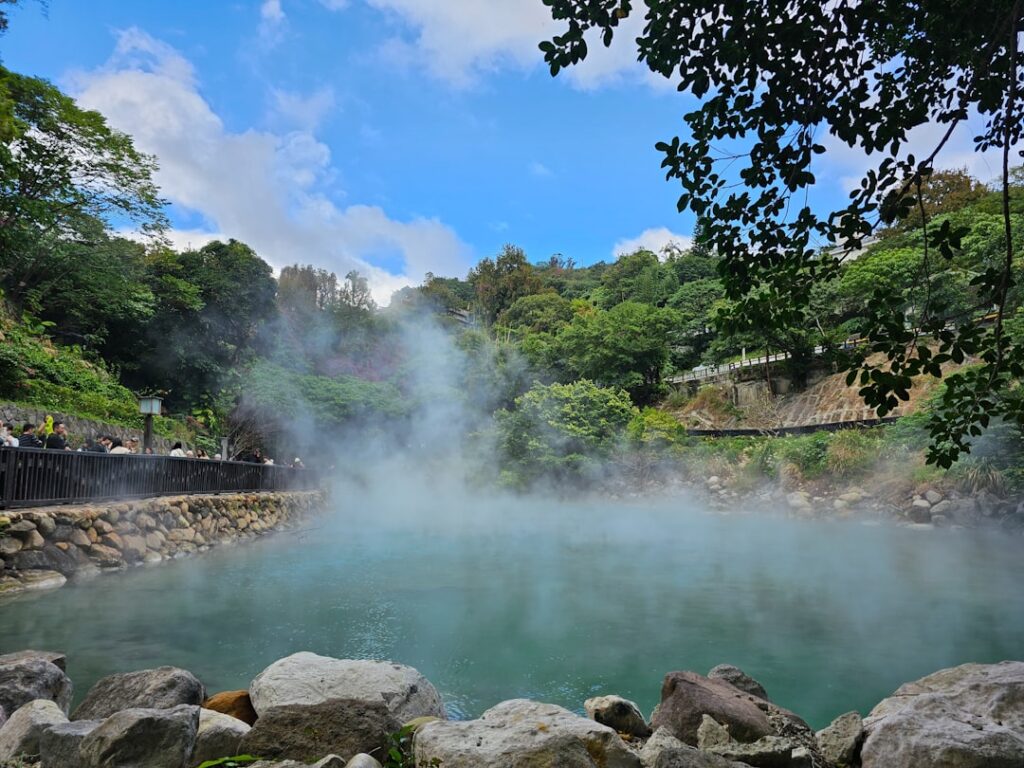
Kawayu Onsen sits quietly on the banks of the Oto River, cradled by the lush mountains of Wakayama. Unlike more commercialized hot spring towns, Kawayu (“Hot Water River”) delivers an experience defined by its wild landscape—the gurgling river is heated naturally by geothermal springs beneath, offering a rare blend of untamed nature and ancient bathing customs. In the cool months, early morning mists hover above the turquoise water, while evening reveals unspoiled starry skies. Accessible but remote, Kawayu’s seclusion preserves not only its pristine beauty but also the deep-rooted traditions and close-knit community that shape the onsen town’s unique spirit.
The Senninburo: Bathe Like a Local in Nature’s Grandest Hot Spring
For those in search of Japan’s raw onsen legacy, the Senninburo (“Thousand-Person Bath”) is a rite of passage. Each winter, locals dramatically transform the riverbed using simple tools, carving out a vast, open-air hot spring directly from the riverbank. This ephemeral behemoth, stretching up to 40 meters long, offers one of Japan’s most untamed communal bathing experiences—where you can soak side-by-side with locals, enveloped by steam and forest air.
Beyond Senninburo, travelers can also discover smaller, riverside rock pools bursting with piping hot water, many crafted by innkeepers or bath lovers who dig their own temporary baths. The wildness and inclusivity—men and women, young and old, nature-enthusiasts, and onsen aficionados—create an atmosphere unlike any luxury ryokan: playful, communal, and deeply connected to the river’s heartbeat.
Gateway to Kumano Kodo: Spiritual Trails and Forest Immersion

Kawayu Onsen isn’t just a haven for bathers—it’s a crucial rest point for travelers trekking the Kumano Kodo, a network of ancient pilgrimage routes that wind through the Central Kii Peninsula’s forests. Stepping onto these mossy paths, you’ll encounter thousand-year-old shrines, towering cypress trees, and spiritual waypoints that have welcomed seekers of health and enlightenment for centuries.
Many visitors split their days between the rigorous but meditative walks and restorative river bathing—savoring the rare chance to connect body and spirit in a landscape unchanged for generations. The proximity of Kawayu to sacred sites like Kumano Hongu Taisha and the dense, mystical forests offers a sense of pilgrimage, even for modern explorers seeking their own personal transformation.
Staying Sustainably: Eco Ryokan, Community Revival, and Green Hospitality

In recent years, Kawayu has become a pioneer in eco-centric rural tourism. Local ryokan and lodges are embracing green principles—using geothermal heat to reduce energy consumption, serving hyper-local ingredients to minimize food miles, and implementing low-impact waste systems. Many accommodations blend old-world timberwork with modern minimalism, offering tatami rooms, river views, and communal meals sourced from mountain vegetables, river fish, and wild game.
Unlike busy tourist centers, Kawayu’s inns are often family-run, committed both to cultural preservation and revitalizing the region. Staying here means supporting a cycle of sustainability—from educational workshops on nature and ecology, to reforestation projects and local employment. In 2025, Kawayu’s eco-ryokan represent a new vision of hospitality: immersive, responsible, and in harmony with the wilds that define the area.
Savoring Kawayu: Wild Flavors, Nature Experiences, and the Future of Sustainability

Life in Kawayu revolves around the rhythm of the river, mountains, and seasons. Food is prepared with the same reverence for local bounty: morning breakfasts of ayu river fish, wild-foraged mushrooms, pickled sansai greens, or hearty hot pots featuring venison hunted nearby. Guided foraging walks, river fishing, and nature crafts let guests participate directly with the land, blurring the line between visitor and resident.
For those mindful of their global footprint, Kawayu’s approach represents Japan’s next wave of sustainable tourism—prioritizing authenticity, slow travel, and environmental stewardship. Whether you’re searching for transformative adventures or moments of tranquility in nature’s embrace, Kawayu Onsen is both a sanctuary from modernity and a model for travel’s future.
Are you ready to soak in wild hot springs under a star-strewn sky, walk ancient trails still pulsing with spiritual energy, and join a community where sustainability isn’t just a buzzword but a way of life? Kawayu is waiting for you—its mysteries unfolding with each dip in the river, each step among cedar trees, and every meal shared with local hearts. Embark on the journey, and discover Japan’s best-kept secret.