
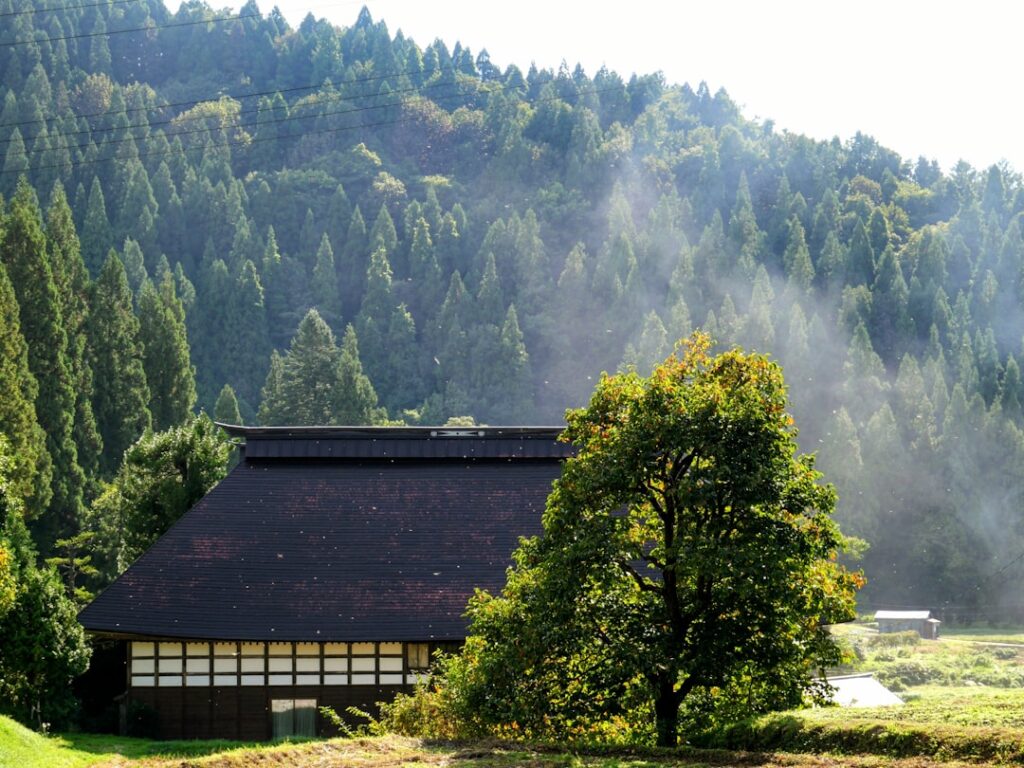

Step off the beaten tourist tracks and immerse yourself in the heart of Japan’s lush woodlands, where a rising wellness phenomenon is quietly captivating adventurous souls. Forest saunas are taking Japan by storm, blending the nation’s ancient love of hot springs with the healing powers of forest bathing. This guide will lead you into the misty depths of Japan’s secret sauna retreats — places only the savviest locals and in-the-know travelers have discovered — and show you how you too can unwind in the embrace of nature.
What is a Forest Sauna? Why It’s Capturing Japan’s Imagination

The “forest sauna” (mori no sauna) has emerged as Japan’s latest health craze, inspired by the global sauna boom and rooted in the country’s cultural tradition of onsen bathing and shinrin-yoku (forest bathing). Unlike conventional indoor saunas, these are designed as open-air retreats, nestled deep in cedar groves, mountain thickets, or riversides. Visitors alternate between intense heat inside rustic wooden cabins and cooling dips or air baths in the forest air, letting the mist and silence of the woods recalibrate mind and body. The unique appeal? A true escape from urban stress, where every breath carries the earthy, invigorating aroma of moss, pine, and clean mountain water.
In 2025, forest saunas are no longer a niche — they signify a broader Japanese movement towards immersive, slow, and locally-rooted wellbeing experiences. Going beyond simple relaxation, they help reconstruct the bridges between humans and nature, fostering deep relaxation and mental clarity.
Pioneering Forest Sauna Spots: Hoshino Resorts Nagano & Nyuto Onsen, Akita
Two destinations define the vanguard of Japan’s forest sauna revolution. Hoshino Resorts in Nagano is famed for its riverside glass-walled saunas, surrounded by towering birch and cedar. Their exclusive “Sauna in the Forest” experience combines custom-designed sauna huts with direct access to mountain streams and private lounging zones laid with tatami and cushions. Bookings are often months in advance, but many describe it as a life-changing encounter with nature’s luxury.
Meanwhile, in Akita’s snowbound Nyuto Onsen region, rustic open-air saunas have been installed in ancient beech forests next to historic hot spring inns. Visitors hike through mist and moss to reach these sweat lodges, then plunge into icy forest ponds or the milky waters of secluded rotenburo baths. Many local ryokan now offer “forest sauna and onsen” packages — a rare marriage of traditional and modern wellness.
The Synergy of Forest Bathing & Saunas: Local Guide Deep Dive

To fully appreciate Japan’s forest saunas, join a session led by a local guide — often rangers or wellness therapists steeped in the art of nature appreciation. These guides weave together sauna rituals, breathing exercises, and silent forest meditation. Many feature guided walks among towering trees where mindfulness is practiced between sauna rounds.
According to one guide from Nagano’s Kiso Valley: “Your senses open up after three sauna cycles in the cool air. Even the birdsong feels sharper, the scent of moss deeper. The forest doesn’t just surround you — it heals you.” Locals treasure these saunas not just for stress release, but as keys to rediscovering their own landscape.
The Gourmet Side: Sauna Food & Local Culinary Experiences

Japan’s forest saunas promise more than relaxation—they’re emerging as culinary destinations. Many sauna retreats now serve up “sauna meshi” (sauna meal): simple, nourishing dishes eaten in the open air, designed to replenish minerals and energy. Expect trays of salt-grilled river fish, mountain vegetable stews, or onsen-steamed eggs sprinkled with wild herbs.
Specialty lodge kitchens near Nyuto Onsen lean into the flavors of their woodlands, with foraged mushrooms, wild plants, and homemade pickles presented alongside sake brewed from pristine springwater. Sharing these meals around a crackling fire or under lantern-lit verandas has become a highlight for repeat visitors seeking the truest taste of the region.
How to Book & Access Forest Saunas in 2025: Essential Tips

If 2025 is your year for a Japanese forest sauna adventure, consider these tips:
- Book far in advance: Hoshino Resorts and popular ryokan in Nyuto Onsen see heavy demand, especially on weekends or during fall foliage and snowy winter months.
- Choose off-peak times: Early mornings or weekdays offer more tranquility and sometimes lower rates.
- Transport: Most deep forest saunas require some hiking or private shuttle from the nearest train station. Plan for the last-mile journey, especially in rural areas.
- Language: While some staff speak English, arranging a local guide or translator can deepen your experience and unlock hidden spots.
- Stay overnight: Many forest saunas are attached to lodges or hot spring inns that offer full packages with meals, wellness activities, and guided tours.
- Respect the environment: These remote escapes depend on pristine nature—always follow local etiquette and leave no trace.
Japan’s forest saunas are the country’s latest gateway into authentic, healing nature experiences. Whether you crave solitude, new rituals, or simply the thrill of discovery, these misty woodland retreats will leave your spirit renewed and your memories enriched.
