
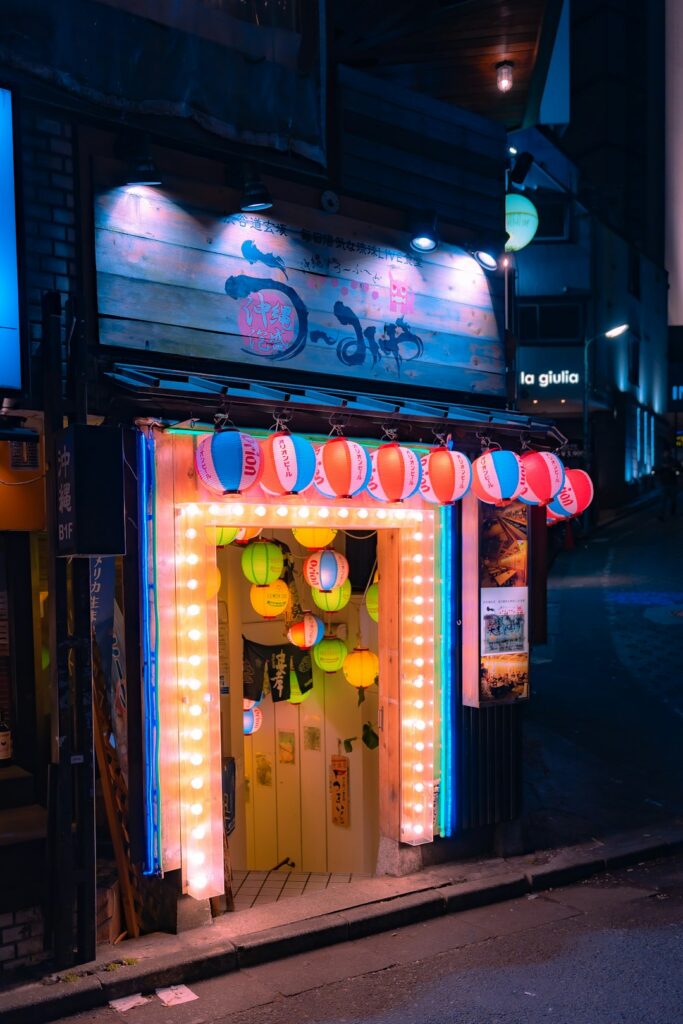

Are you craving an authentic omakase sushi experience that’s far from the ordinary tourist trail? In 2025, Tokyo’s sushi scene is undergoing a quiet revolution, where true connoisseurs and adventurous food lovers are discovering hidden sushi bars that elevate tradition, intimacy, and culinary storytelling. From secret alleys to unmarked doors, these tucked-away gems offer not just the freshest morsels but also an unforgettable journey into the heart of Japanese hospitality. In this deep dive, let’s uncover where to find these elusive omakase hideouts, what makes them unique, and how to blend in like a local on your very own sushi adventure.
Tokyo’s Sushi Renaissance: Why Hidden Omakase Bars Are Stealing the Spotlight in 2025

Tokyo has always been the beating heart of global sushi culture, but 2025 marks a new evolution. As mainstream sushi restaurants grow ever-popular among international tourists, local enthusiasts are seeking out places that offer something profoundly different—a sense of exclusivity, intimacy, and personal connection that’s often missing in more commercial spaces.
The city’s “hidden” or unadvertised omakase bars—sometimes marked only by a plain curtain or subtle lantern—have surged in popularity. Known for having just a handful of seats and omitting overt signage, these sushi sanctuaries focus intensely on the chef’s craft and guest experience. The culinary scene is pushing the boundaries of omakase (“leave it up to the chef”) into a true art form, where every meal reflects the chef’s philosophy, mood, and deep knowledge of seasonal ingredients. This approach attracts a new generation of gourmets, craving authenticity, storytelling, and the chance to unearth a Tokyo secret for themselves.
The Art of Discovery: How Locals Find Unmarked Sushi Sanctuaries

Finding these hidden sushi bars is almost a rite of passage—an adventure that starts offline, far from review apps and mainstream guides. Locals often trade tips quietly, sharing locations only with trusted friends. Some rely on subtle clues: a softly glowing paper lantern, a noren curtain over an anonymous doorway, or a quiet queue in a nondescript alleyway.
Insider blogs, local social media groups, and word-of-mouth among dedicated sushi fans are your best roadmap. When in doubt, trust your instincts and wander the lesser-known side streets of neighborhoods like Ebisu, Meguro, or residential Setagaya after dark. Look for restaurants with small, minimalist exteriors; a lack of signage is an open secret to the initiated. Sometimes, you’ll need a local to introduce you or call ahead in Japanese: relationships and recommendations carry tremendous weight for these intimate spaces.
Spotlight on Three Hidden Gems: Stories from the Chef’s Counter

To evoke the thrill of discovery, here are three remarkable, under-the-radar omakase spots, each with their own flavor of magic.
- Meguro’s “Sugidama”—A Six-Seat Sanctuary: Located behind a bookstore, you’ll find Master Chef Ito crafting melt-in-your-mouth uni on custom ceramic plates. The chef’s gentle humor and seasonal philosophy turn every course into a surprise—and English menus are offered for intrepid guests.
- Yushima’s “Kura”—Where Tradition Meets Theater: Hidden behind a speakeasy-style sliding door, Chef Sato pairs hand-aged soy sauce with rare cuts and tells stories of each fish’s journey. Guests recount tales of tasting their first ever “konbu-jime” (kelp-aged fish)—an umami revelation.
- Shimokitazawa’s “Shin”—Experimental Yet Intimate: This bar, with barely ten seats, features an omakase where you’ll converse directly with Chef Mika, Tokyo’s rising star of female sushi artisanship. She incorporates pickled yuzu and seasonal foraged greens, delighting regulars and first-timers alike.
Each location invites diners into a world where old-school discipline and personal connection trump glossy Instagram aesthetics. Here, conversation flows softly, laughs are shared over sake, and every piece of sushi becomes a memory.
Quiet Alleys, Private Counters: Experiencing Sushi and Omotenashi Away from the Crowds
What truly sets hidden omakase bars apart isn’t merely their exclusivity, but the enveloping sense of tranquility and hospitality. On a rainy Tokyo evening, ducking into a narrow alley, you’ll find yourself greeted by warm light and the humble “irasshaimase” of a chef devoted to their craft.
At the sushi bar, you’ll witness the chef’s mastery up close: each nigiri pressed with gentle intent, each ingredient carefully sourced that morning from Tsukiji’s inner circles or seasonal countryside fisheries. Foreign guests are welcomed with genuine curiosity and patience—many chefs delight in sharing the origin of each fish, the tradition behind the techniques, and recommendations for sake pairings.
Whether you speak fluent Japanese or manage only a few polite phrases, you’re quickly made to feel at home around the counter, sharing smiles over sea urchin or a shimmering slice of kohada.
How to Book Your Seat and Enjoy Omakase Like a Local in 2025

In the age of digital convenience, even the most elusive sushi bars are adapting. Many now accept reservations via specialized apps like OMAKASE Japan or TableCheck, though a few still require a phone call in Japanese or advance introduction. Flexibility is key—seating may fill up months in advance for popular counters. Pro-tip: visit Tokyo on weekdays or during off-peak winter months for the best chance at a last-minute spot.
When you secure that coveted seat, embrace the etiquette cherished by sushi aficionados: arrive on time, avoid excessive photography, and show respect for the chef’s process. Feel free to ask about seasonal specialties; expressing curiosity (with humility) is always welcome. Some counters allow international guests to bring a translator or even offer detailed English explanations, making the full omakase experience accessible no matter your Japanese skill.
Above all, savor the spirit of “omotenashi”—Japanese wholehearted hospitality—by being present in the moment and open to the chef’s surprises. In 2025’s Tokyo, the greatest sushi discoveries lie not in famous guidebooks, but in the whispered secrets of alleys, behind unmarked doors, and at the hands of passionate chefs waiting to welcome you into their world.
