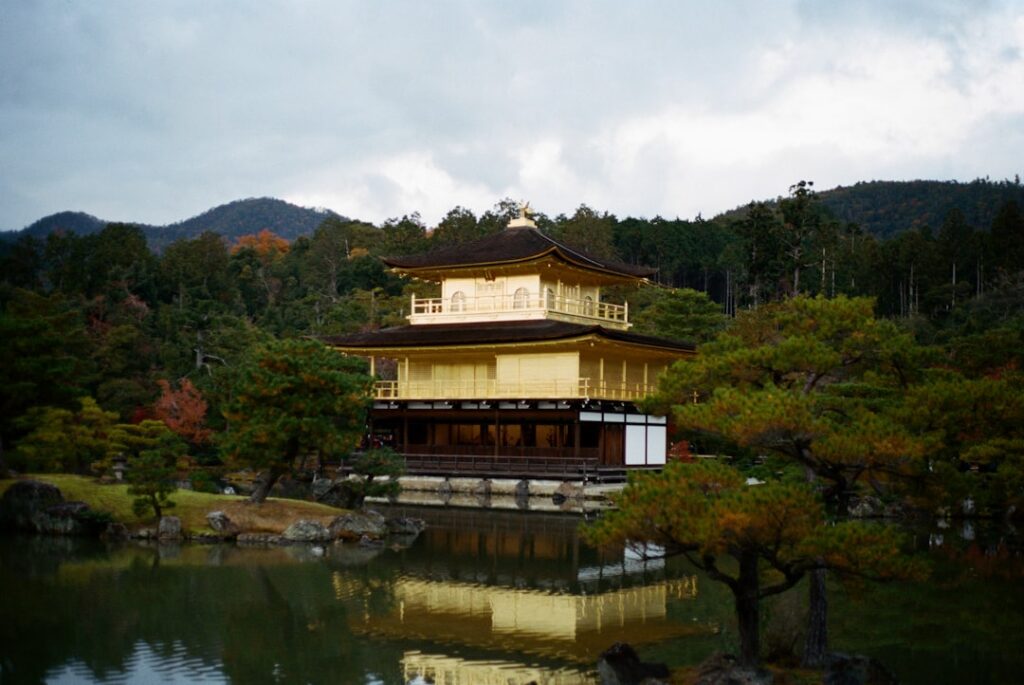

Nestled amidst ancient maples and silent stone paths, Kyoto holds secrets known only to locals and seekers of true Japanese spirit. Beyond the bustling streets and iconic shrines, a quiet revolution draws visitors into the world of kintsugi—the art of repairing pottery with gold—and Zen mindfulness. This soulful journey peels back the layers of the city’s hidden temples, where time slows and every crack tells a story. Discover how you can experience authentic kintsugi workshops, heal both pottery and heart, and immerse yourself in the deep philosophies that have defined Japanese beauty for centuries.
Discovering Hidden Kintsugi Workshops in Kyoto’s Temples

Most visitors to Kyoto are captivated by the majestic Kinkaku-ji or the iconic Fushimi Inari gates. But the city’s deepest treasures lie off the beaten path—within tranquil neighborhoods and temples rarely marked on maps. Here, small, sunlight-dappled workshops quietly invite participants to learn kintsugi, the centuries-old Japanese art of repairing broken ceramics with lacquer and gold.
Kintsugi, literally “golden joinery”, originated in the 15th century, allegedly when a shogun sought to mend his favorite tea bowl. Dissatisfied with unsightly metal staples, craftsmen began using lacquer dusted with precious metals, transforming fractures into artful veins that enhanced both beauty and value. Today, certain Zen temples in Kyoto continue this tradition, hosting intimate workshops where visitors and locals alike can discover the healing rituals of kintsugi in deeply serene surroundings.
The Heart of Kintsugi: Japanese Aesthetics and Zen Mindfulness

Kintsugi is more than just a repair method; it’s a physical expression of mono no aware—an appreciation for the impermanence of things and the bittersweet beauty found in transience. The very act of filling cracks with shimmering gold embodies a sense of acceptance, a celebration of a vessel’s unique history rather than erasing its scars.
Kintsugi’s philosophy interweaves deeply with Zen Buddhism, which underpins much of Kyoto’s spiritual legacy. The slow, meditative process encourages present-moment awareness—each step, from cleaning the shards and mixing urushi lacquer to sprinkling fine gold dust, becomes a kind of moving meditation. This mindful attention transforms the restoration process into a journey of acceptance, suggesting that by embracing our brokenness and flaws, we—or the objects in our care—can achieve even greater beauty.
A Personal Kintsugi Workshop Journey: Healing for Objects and Souls

Imagine entering a centuries-old temple, bell chimes echoing softly as sunlight filters through tatami rooms. Local artisans, whose families have practiced kintsugi for generations, greet you with gentle smiles and exquisite bowls, both broken and whole. As the workshop unfolds, participants find themselves immersed in quiet concentration, hands steadying fractured edges, hearts settling alongside the rhythmic brush of lacquer and the whisper of powdery gold.
Visitors frequently describe the experience as transformative: initial frustration with the fragility of clay gives way to self-forgiveness and quiet joy. The act of mending, slow and intentional, provides a rare opportunity for reflection and deep inner peace. Even in a short session, many remark that learning kintsugi in an authentic Kyoto temple becomes a pivotal travel memory—a tactile metaphor for healing and acceptance they carry long after the journey ends.
Kyoto’s Secret Temples: Local Favorites for Intimate Kintsugi Experiences

Seeking an authentic experience beyond the tourist crowds? Kyoto locals recommend a handful of secluded temples and studios:
- Enmyō-in – Tucked away near the Philosopher’s Path, this modest temple offers weekend kintsugi sessions led by a master artisan. Its meditative garden is perfect for quiet contemplation after your workshop.
- Shōren-in – Known for its blue-accented architecture and moss gardens, Shōren-in has partnered with local craftspeople to host seasonal kintsugi classes in luminous tatami rooms.
- Private “Machiya” Studios – Explore the alleys of Higashiyama, where family-run townhouses (machiya) open their doors to intimate kintsugi classes. You may have tea with your teacher as you work, surrounded by the soft glow of paper lanterns.
Be sure to book ahead—these workshops are beloved by locals and have limited spaces. Participating in these experiences offers an insider’s view into the living culture of Kyoto, and perhaps, a peaceful moment you’ll cherish forever.
Restoring More Than Ceramics: Your Journey of Renewal in Kyoto

Kyoto’s hidden kintsugi temples invite both locals and explorers to pause and rediscover the quiet magic of transformation. Whether you come to mend a broken bowl, soothe a cracked heart, or simply to bask in the city’s timeless beauty, these sacred spaces offer profound lessons in acceptance, resilience, and grace.
If your path brings you to Kyoto, dare to venture beyond the guidebooks and find the gold within your journey—one mindful brushstroke at a time. Your vessel, and perhaps your spirit, will emerge not as it once was, but more radiant for every story, every scar, and every healing touch.