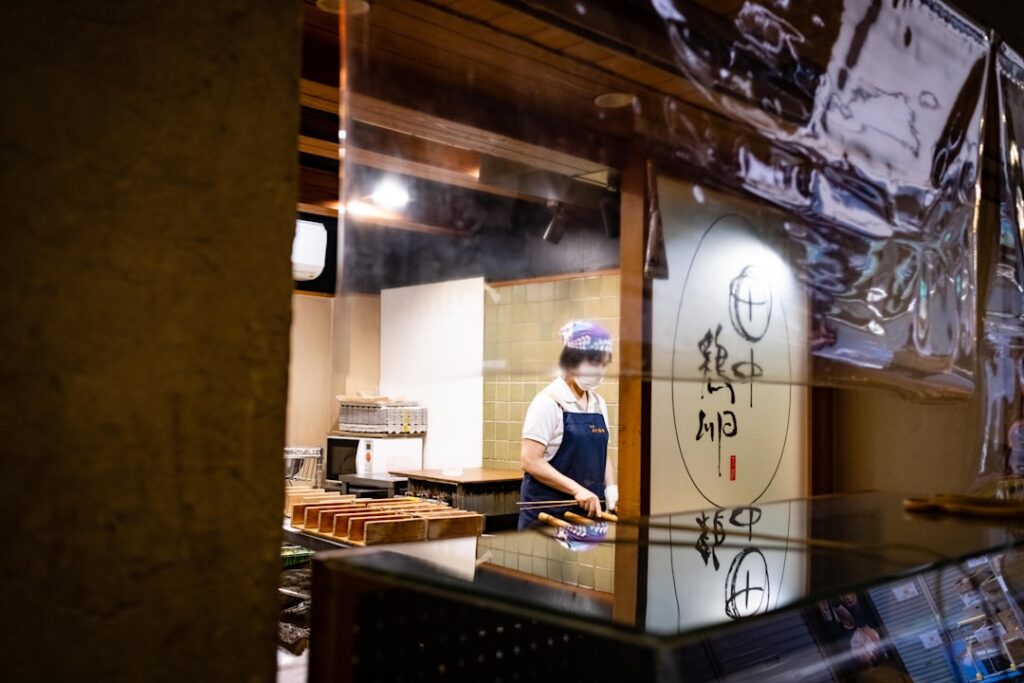

If you think of Japanese cuisine as just sushi, tempura, and ramen, think again. In 2025, a revolutionary culinary wave known as “Neo-Washoku” is taking over Japan, especially in its trendsetting cities and hidden foodie enclaves. With a new generation of chefs reimagining Japanese classics and embracing local and sustainable innovations, dining in Japan this year means embarking on an adventure where tradition meets bold creativity. Dive with us into the heart of Neo-Washoku—where ancient flavors get a contemporary twist, and ordinary meals transform into unforgettable experiences.
What is Neo-Washoku? Defining Japan’s Next Culinary Wave

Neo-Washoku isn’t simply an update of Japanese food—it’s a dynamic redefinition. The term “Neo-Washoku” encapsulates the creative spirit of young Japanese chefs and culinary artists reshaping tradition for modern times. While honoring the meticulous techniques and reverence for seasonality that define classic washoku, these pioneers draw on global influences, new technology, and even art-inspired plating to create something entirely fresh. Contemporary diners in 2025 crave dishes that both nod to the past and excite the senses. Neo-Washoku answers this with menus that marry homegrown Japanese identity with daring experimentation—sometimes within a single bite.
This trend started gaining traction in underground pop-up kitchens and off-the-beaten-path izakayas but, as of 2025, has taken center stage in the country’s most iconic food cities and rural outposts alike. Whether it’s a sushi roll with an unexpected fill of fermented mountain vegetables or a kaiseki meal that incorporates plant-based alternatives, Neo-Washoku is the taste of Japan’s culinary future.
Hotspots & Hidden Gems: Discovering Neo-Washoku in Tokyo and Kyoto
The Neo-Washoku revolution burns brightest in Tokyo and Kyoto, where an unmatched blend of cosmopolitan energy and deep respect for culinary heritage sets the stage for new dining experiences. In Tokyo, it’s common to stumble upon intimate restaurants in back alleys where young chefs experiment with local seafood, fermented elements, or even foraged mountain herbs. Standout spots in Shibuya or Ebisu invite you to experience omakase courses that surprise even seasoned Japanese foodies—think sashimi aged with koji or miso crème brûlée.
Kyoto, with its legacy of refined kaiseki and Zen Buddhist vegan cuisine, is also brimming with innovation. Here, historic machiya townhouses hide restaurants serving obanzai (Kyoto-style home cooking) reinterpreted with molecular gastronomy or botanically inspired flavors. Many of these venues avoid mainstream promotion, relying instead on word-of-mouth among local fans—the true definition of a “hidden gem.” For travelers, seeking out these under-the-radar spots means tasting the future while surrounded by the resonant charm of old Japan.
Fermentation, Sustainability, and Plant-Based Pioneering

At the core of Neo-Washoku is a powerful return to Japan’s roots: fermentation and local sourcing. Modern chefs layer flavors using ancient techniques—think soy, miso, or yuzu kosho, but with locally foraged or even urban-farmed ingredients. In 2025, plant-based dishes are no longer limited to Buddhist shojin ryori; today’s kitchens blend tofu, konjac, or millet with international styles, creating vegan or flexitarian courses that even meat-lovers crave.
There’s also a serious emphasis on sustainability. Neo-Washoku’s most influential chefs build menus around seasonal harvest calendars, support local farmers and fishermen, and design zero-waste kitchens. Guests at these restaurants might find themselves tasting sashimi with pickled mountain ferns, or sushi with tempura-fried wild mushrooms. Many culinary trailblazers are even fermenting their own soy sauces and miso on-site, turning the dining space into a living, breathing extension of Japanese terroir.
Immerse Yourself: Neo-Washoku Food Tours and Cooking Classes

Neo-Washoku isn’t just for those armed with Japanese language skills or insider knowledge. Across Tokyo, Kyoto, and beyond, immersive culinary experiences are unlocking this world for international visitors. Travelers can now sign up for hands-on cooking classes taught by rising-star chefs—learn to make plant-based sushi, ferment seasonal vegetables, or plate dishes in avant-garde Neo-Washoku style.
For the truly adventurous, specialty food tours guide you into the heart of neighborhoods where old sake breweries coexist with hip fusion pop-ups. These tours often include private tastings, behind-the-scenes access to urban farm kitchens, and rare interactions with pioneering chefs. As the movement grows, local tourism boards are even beginning to promote Neo-Washoku with multi-day experiences that blend cooking lessons, foraging excursions, and dining at curated hidden restaurants. These trips offer more than a meal—they’re a window into the evolving soul of Japanese food culture.
What’s Next for Washoku: Cultural Impact and Emerging Movements
As Neo-Washoku enters the global spotlight, its ripple effects are changing both how we eat and how we think about Japanese food. Young chefs are using food as a medium to address sustainability, locality, and diversity in the kitchen, making Neo-Washoku not just a culinary trend, but a movement with deep cultural significance. It’s not uncommon to see pop-up collaborations between Japanese farmers and international food artists, or high-tech kitchens experimenting with AI-driven fermentation and edible art.
The Neo-Washoku revolution of 2025 encourages everyone—locals and visitors alike—to question what it means to honor tradition and embrace innovation. Whether you seek plant-based adventures, crave the umami of fermented flavors, or simply want to say you tasted the future of Japanese cuisine before the rest of the world, Japan’s kitchens are waiting for you. The only question left: How bold will your appetite be?