
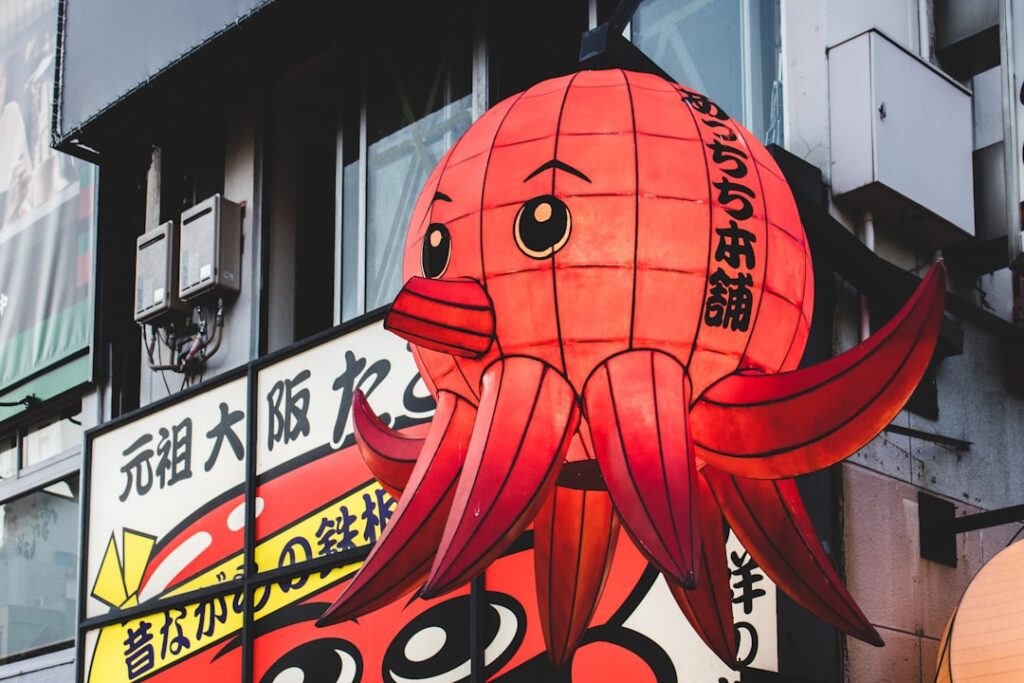

In 2025, Japan’s sushi scene is undergoing a revolution. Modern sushi bars, with their daring visions and innovative designs, are drawing global attention. These vibrant establishments blend heritage craftsmanship with sustainable practices, high-tech experiences, and contemporary aesthetics—taking the classic sushi tradition to exhilarating new heights. For international foodies seeking not only exquisite flavor but also cultural insight and cutting-edge concepts, these sushi bars offer an unforgettable window into the future of Japanese cuisine. Embark on this journey through Tokyo and Osaka’s newest hotspots, discover the people leading the charge for sustainability, and see why your next culinary adventure belongs in Japan.
What Defines a Modern Sushi Bar in 2025?

Modern sushi bars in Japan reimagine the ancient art of sushi for a new era. While respecting the techniques honed over generations, these establishments boldly step beyond tradition. This shift is most evident in three movements: inventive sushi creations, eco-conscious ingredients, and immersive dining environments.
Unlike traditional sushi-ya, which focus on minimalist decor and Edomae-style nigiri, the new wave priorities set themselves apart with architectural flair, curated lighting, and personalized seating. Chefs blend international influences—incorporating ingredients such as truffle, vegan alternatives, or smoky infusions—while never losing sight of the core: rice mastery and fresh fish. The 2025 trend is not only about what’s on your plate, but how storytelling and sustainability become part of every bite.
Top 3 Must-Visit Modern Sushi Bars in Tokyo & Osaka

Let’s dive into three of the most acclaimed modern sushi bars now captivating Japanese locals and adventurous visitors alike:
1. Sushi Kairou (Tokyo)
Nestled in Shibuya, Sushi Kairou fuses neon-lit interiors with minimalist Japanese woodwork. Guests select courses on tablet devices, then watch as AI-guided robots support human chefs with perfect rice portions. Offerings include seasonal catch from certified sustainable fisheries, with vegan “nigiri” made from marinated eggplant or konjac. The omakase begins with a short AR video on Japan’s fishing culture—an entertainment and dining sensation.
2. Umami Lab (Osaka)
A beacon for flavor experimentation, Umami Lab in Namba is run by a team of classically trained itamae and avant-garde molecular gastronomy specialists. Signature items range from smoked seabream sushi layered with wasabi caviar to “carbon-neutral tuna” sourced from regenerative aquaculture. The counter is set before a futuristic LED mural depicting ocean life, immersing you in both art and taste.
3. Sushi Hanare Shinsekai (Osaka)
Located in a hidden alley near Osaka’s iconic Shinsekai, this intimate bar limits service to eight guests per seating. Each dish comes with a narrative: the origins of each ingredient, the story behind the rice, and the fishermen’s efforts to protect local ecosystems. Traditional hand-pressed sushi is paired with regional sake curated by female sommeliers.
Each of these sushi bars doesn’t just serve excellent food—they invite you into a world where storytelling, aesthetics, and environmental responsibility take center stage.
The Sustainable Seafood Revolution & Sushi Artisans

Long reliant on the bounty of the ocean, Japan’s sushi industry now faces pressing ecological concerns. Overfishing and environmental change have spurred a profound response from the new generation of sushi chefs. Modern sushi bars are at the forefront of the sustainability wave.
Chefs partner directly with local fishers using traditional “ikejime” methods, which honor the fish and minimize waste. Eco-labels and QR trackers now tell diners where their meal was caught, fostering a sense of connection and accountability. You’ll find more diversified options on the menu: farmed amberjack, skipjack tuna, and shellfish grown in pollutant-filtering habitats.
Stories abound—in Sushi Hanare Shinsekai, the chef personally introduces his suppliers, sharing challenges faced by the Seto Inland Sea community. At Umami Lab, guests are encouraged to sample plant-based “seafood” and rare regional kelp. These acts are more than virtues; they are redefinitions of Japanese luxury.
Immersive Experiences: Where Sushi Bars Merge with Tech & Art

Sushi bars in 2025 are redefining what it means to “dine out”. Many of Tokyo and Osaka’s hotspots are delivering multi-sensory journeys, using technology and minimalistic aesthetics to craft memorable environments.
Expect digital menus with XR (Extended Reality) elements—scan a QR code, and watch as your nigiri ingredients materialize in augmented 3D, complete with flavor profiles and fishing histories. Spaces are sculpted with modular seating, projection-mapped art, and soundscapes that invoke the sea. Locals and travelers alike linger longer, soaking up every detail in spaces that double as micro-galleries.
The effect is a dance between heritage and innovation; where the craft of the itamae meets algorithm-guided lighting, and conversations are sparked not only by culinary excellence, but by shared wonder.
A Message to Sushi Lovers Worldwide: The Value of Evolution

Whether you’re a connoisseur of classic Edomae or an adventurer eager to taste the unknown, Japan’s modern sushi bars are the ultimate destination in 2025. Here, you’ll witness the living heritage of sushi—where every slice of fish tells a story of the nation’s relationship with the ocean, innovation, and sustainability.
For international visitors, these new-wave sushi temples are a bridge: between time-honored practice and a mindful, inspiring future for both cuisine and culture. No matter your language or background, the universal language of great food, hospitality, and thoughtful storytelling awaits.
Don’t miss a taste of tomorrow, served today in the heart of Japan.
