
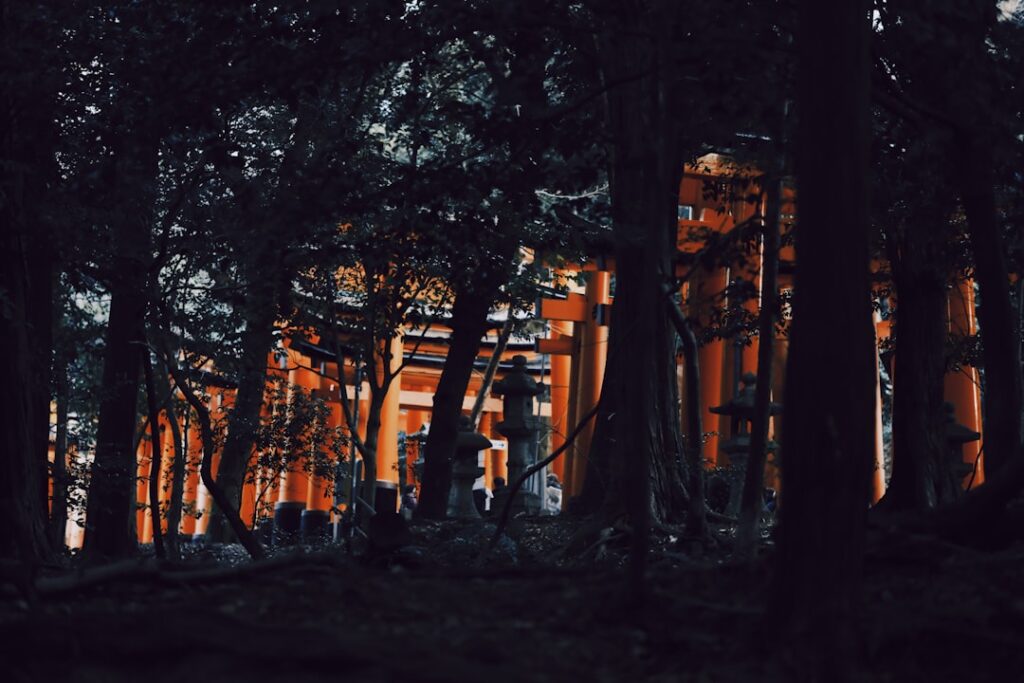

Experience Kyoto like never before as the sun sets and temple gates quietly creak open for a new wave of immersive, nighttime Zen experiences. From limited-seat meditation sessions in ancient sanctuaries to the mesmerizing beauty of illuminated gardens, Kyoto’s after-dark temple life offers travelers a rare and profoundly peaceful escape from the bustling cityscape. Whether you’re a seasoned Zen enthusiast or curious explorer, this guide invites you into the Kyoto locals know—a world where serenity, culture, and extraordinary beauty await behind temple gates.
Nighttime Zen: Kyoto’s New Wave of After-Dark Meditation

Kyoto’s ancient temples are embracing a quiet revolution. As the city’s lanterns flicker on, select temples now invite visitors to participate in exclusive nighttime Zen meditation and mindfulness programs. These after-dark sessions offer a rare opportunity to meditate surrounded by centuries-old wooden halls, the soft sound of garden streams, and the sweet scent of tatami. Unlike daytime visits, these programs are intentionally kept small and intimate, fostering a deeper state of tranquility.
Many of these sessions incorporate elements unique to the night: gentle bamboo lighting, the distant call of nightingales, or the cooling touch of winter air through open shoji screens. Attendees often report enhanced clarity and relaxation, as distractions from daytime crowds are replaced by a cocoon of silence and shadow. Whether guided by English-speaking monks or resident practitioners, this is a meditative experience that truly straddles past and present in enchanting Kyoto.
Deep Zen: Exclusive Small-Group Experiences at Kyoto’s Hidden Temples

Beyond the major shrines, locals cherish a handful of lesser-known temple experiences reserved for those who seek something truly special. Temples like Tofuku-ji, Kennin-ji, and the iconic Kiyomizu-dera are offering after-hours group meditation or “zazen” limited to just a few participants each night.
The intimate scale transforms these sessions into something deeply personal. Picture yourself sitting in a candlelit Zen hall, the city’s buzz replaced by the rhythmic breath of those around you. Some temples even allow post-meditation tea with a resident monk, giving visitors the rare chance to discuss Zen philosophy in a relaxed setting.
Advance booking is essential, and many of these programs rotate or are announced only through temple websites or discreet local newsletters. Those who are lucky enough to join often discover not just calm, but a new connection to Kyoto’s enduring spirit.
The Magic of Illuminated Gardens and Quiet Temples
Kyoto is famed for its surreal seasonal light-up events, but the true charm is found in the tranquil glow of temple gardens at night. Imagine wandering a moss-lined path as soft lighting draws out the vibrant reds of autumn maple leaves, or the subtle green of a carefully raked Zen garden.
Many temples now design their nighttime spaces to highlight the textures of traditional wooden architecture—latticed doors, stone lanterns, and the shimmering reflection of moonlight on a carp pond. The absence of crowds means visitors can slow down, breathe in crisp night air, and truly absorb the graceful details of Japan’s heritage buildings in their most peaceful state.
From the illuminated verandahs of Kiyomizu-dera to the tranquil landscapes of Tofuku-ji, these moments reveal the artistry and spiritual resonance that define Kyoto beyond daylight hours.
Secret Cafes and Lantern-Lit Lanes: Kyoto by Night, Local Style

For the truly curious, Kyoto’s magic doesn’t end at the temple gate. Local enthusiasts recommend detours through alleys softly illuminated by traditional lanterns, lined with machiya townhouses and whispers of the city’s past. After meditation, slip into a hidden café—a converted teahouse with floor seating, or an indie coffee shop serving single-origin brews—where you can reflect in peaceful seclusion.
Some favorites include the hidden cafes near Kiyomizu-dera offering seasonal wagashi and matcha, and the philosopher’s path area with its tranquil night walks along the canal. Join locals for a late-night sweet or a cup of robust pour-over coffee, and discover yet another side to Kyoto’s celebrated hospitality and creativity.
How to Join: Practical Tips for International Travelers

- Booking: Most nighttime Zen sessions require advance online reservations—check each temple’s official site or ask your hotel concierge to call on your behalf. Sessions often sell out weeks ahead during peak foliage or holiday seasons.
- Language: Some temples provide English guidance or written materials, but having a Japanese-speaking friend or using translation apps is helpful. Major sites like Kennin-ji and Kiyomizu-dera are most likely to accommodate English speakers.
- Dress & Etiquette: Respectful, modest attire is expected. Silence your phone, remove shoes at entry, and avoid intrusive photography during meditation.
- Access: Many temples are accessible via local bus or taxi; little-known sessions may require navigating small lanes—confirm directions in advance.
- After Your Visit: Explore local night markets, walking trails, or simply enjoy the peaceful ambiance of temple neighborhoods.
By embracing these practical tips, visitors can unlock Kyoto’s after-dark Zen secrets and take home a truly memorable experience, both timeless and refreshingly new.
