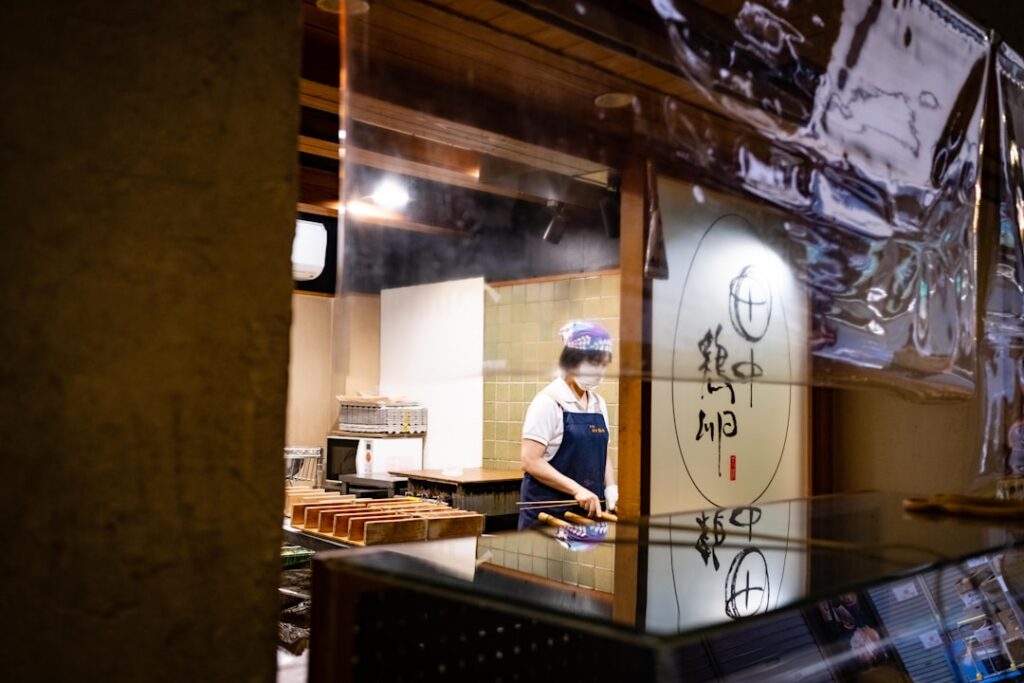

Craving authentic Japanese ramen but following a plant-based diet? Japan’s vegan ramen revolution is in full swing, soaring far beyond miso and basic soy alternatives. In this deep-dive, we’ll explore how Tokyo and Kyoto have become epicenters for next-level vegan ramen, sharing stories from secret, local-favorite joints, chef innovations, and tips for your own unforgettable culinary journey. Whether you’re a curious foodie, long-time vegan, or just searching for flavors you’ve never imagined, this report will ignite your wanderlust—and your appetite.
The Rapid Rise of Vegan Ramen Culture in Japan

Just five years ago, finding vegan ramen in Japan meant hunting down specialty cafes near tourist areas. But as of 2026, vegan ramen has evolved into an essential movement, with mainstream appeal and creative flair that rivals traditional ramen culture. Influenced by increased awareness around sustainability, ethics, and health, chefs in cities like Tokyo and Kyoto have embraced plant-based cooking, seeing it as an opportunity—not a compromise—for culinary innovation. Vegan ramen now draws not only international travelers but local gourmets eager for novel flavor profiles, superfood infusions, and surprising ingredient combinations.
Exploring Hidden Vegan Ramen Spots Only Locals Know
The true heart of Japan’s vegan ramen scene beats in tucked-away alleys and lesser-known quarters. In Tokyo, the Yoyogi-Uehara neighborhood hides “Soranoiro Nippon,” where the chef experiments with unexpected vegetable broths and house-made gluten-free noodles. A short walk from tourist-filled Shibuya, “Noodle Stand Tokyo” offers exclusive seasonal bowls built around local produce.
Kyoto, with its centuries-old culinary traditions, surprises visitors with vegan ramen havens among its traditional machiya townhouses. Away from the bustle of Gion, you’ll find “TowZen,” a humble shop perfecting creamy soy-milk-based broths, and “Vegans Cafe and Restaurant,” renowned for their charred miso and chunky mushroom toppings. These shops often shy away from overt advertising, relying on word-of-mouth among local foodies. Don’t be fooled by their minimal signage—step inside and discover why regulars return week after week.
Creative Menus: Broths, Noodles, and Toppings That Dazzle

Step into any of these hidden ramen sanctuaries and you’ll quickly see the artistry at work. Forget plain soy or miso—the current trend features bold broths using pumpkin, truffle, yuzu, roasted tomato, or even spicy Thai-style coconut. Noodles range from chewy spinach-infused strands to rice flour or kale, giving each bowl a unique texture and personality.
Toppings have become playgrounds for innovation: roasted seasonal vegetables, vegan chashu (made from tofu, seitan, or slow-cooked gluten), pickled mountain vegetables, bamboo shoots, house-fermented kimchi, and tangy sesame “egg.” Kyoto purveyors might add yuba (tofu skin) or black sesame pesto, while Tokyo shops often offer regional specialties topped with microgreens, edible flowers, and artisanal chili oil. No two bowls are ever the same—the constant spirit of experimentation makes each visit a delight.
Meet the Chefs: Passion, Inspiration, and Insider Tips

Behind each soul-warming bowl lies a story worth sharing. Take Chef Nakamura from “Soranoiro Nippon”—he credits his grandmother’s garden cooking with inspiring his carrot-ginger shoyu broth. Meanwhile, Kyoto’s “TowZen” is helmed by a former Buddhist monk who channels temple cuisine wisdom into his layered, umami-rich soups.
Many chefs are eager to chat with curious visitors—don’t hesitate to ask about their favorite seasonal vegetables or recommendations for what’s best right now. Pro tip: Arrive early or late to avoid the lunchtime rush, and keep an open mind. Many shops offer unexpected limited-edition bowls or hidden off-menu recipes for regulars. Some even host ramen workshops and vegan tasting events—perfect for connecting with locals and deepening your ramen appreciation.
A New Chapter in Japan’s Food Culture—And What Comes Next

Vegan ramen is more than just a passing trend—it’s helping redefine what “authentic” Japanese food can be. Today, diners in Japan hunger for sustainability, ethical dining, and culinary surprise, and vegan ramen delivers all three. International visitors are now flocking to these hidden eateries, sharing their discoveries across social media and influencing the next generation of ramen chefs.
If you’re planning your next trip to Japan, don’t limit yourself to old expectations. Seek out a cozy vegan ramen nook, savor flavors you never thought possible, and join a cultural movement that’s changing the country—one innovative bowl at a time. Who knows? Your own “beyond miso” ramen adventure might be just around the corner.