
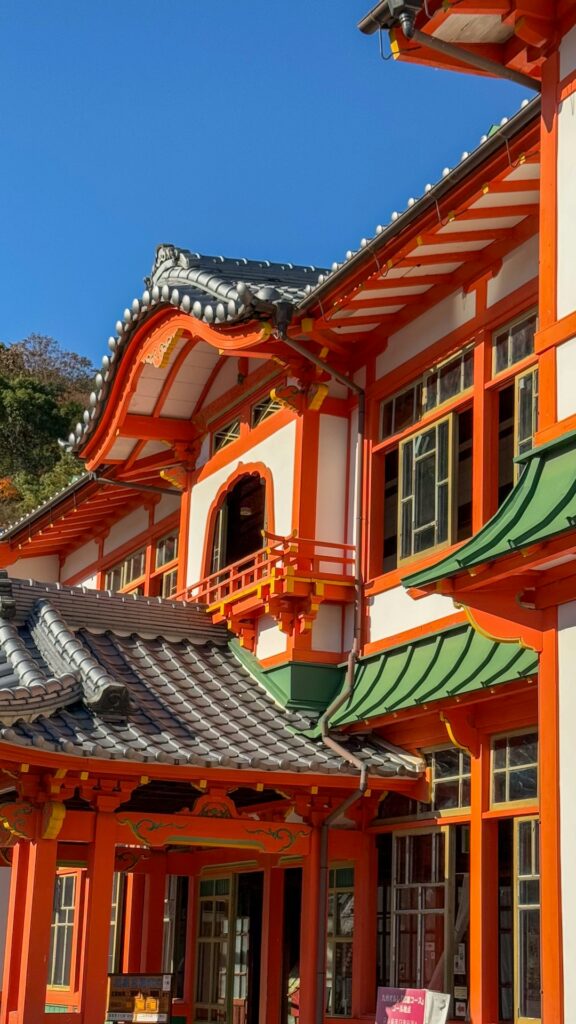

Hidden deep in the lush mountains of Kyushu, Japan’s southernmost main island, are onsen villages that time nearly forgot. But today, a new wave of young creators—designers, artists, chefs, and entrepreneurs—are reviving these tranquil hot spring enclaves in ways that beautifully blend heritage with innovation. This article dives into how their passion-driven projects are transforming sleepy rural communities into must-experience havens for travelers seeking authenticity, originality, and a sense of place beyond the well-trodden path.
A New Generation: Revitalizing Kyushu’s Onsen Villages
The picturesque onsen (hot spring) villages scattered across Kyushu have long attracted visitors seeking healing waters and peaceful retreats. However, in recent decades, younger generations have left these towns for urban centers, leaving behind aging populations and shuttered businesses. Enter a new movement: creative young locals and city returnees drawn by a desire to protect their heritage, embrace slow living, and express their talents in charming, rustic settings.
From restoring abandoned ryokan (Japanese inns) to launching sustainable guesthouses and lively local events, these innovators are fostering a renaissance that celebrates both history and contemporary values. Theirs is a grassroots, collaborative approach, emphasizing community involvement, eco-consciousness, and a reimagining of what rural life—and rural travel—can offer.
Secret Spots Spotlight: Renovated Hot Springs Villages
Some of Kyushu’s revitalized onsen villages are becoming hidden gems beloved by in-the-know travelers. Kurokawa Onsen, tucked in the verdant hills of Kumamoto, is an atmospheric haven where local designers have breathed new life into centuries-old baths and timber buildings. Subtle modern amenities and locally-made art adorn renovated ryokan, blending old with new without losing the soul of the place.
In Yufuin (Oita Prefecture), a creative community of artisans and young entrepreneurs is reinventing the town’s creative scene. Independent galleries, stylish café-bookstores, and artist-run guesthouses now stand alongside traditional inns, many of which have undergone thoughtful updates. Meanwhile, Unzen Onsen (Nagasaki) is seeing an influx of youthful energy through pop-up events, art residencies, and eco-retreats housed in renovated kominka (traditional farmhouses).
These projects draw on local materials and crafts, with respect for cultural authenticity and a vision for the future. Whether it’s upcycled onsen baths or eco-friendly stay experiences, the new face of Kyushu’s hot springs is quietly—and charmingly—redefining rural Japanese hospitality.
Experiential Magic: Tradition Meets Creative Collaboration

What truly sets these revived villages apart is their dedication to “experience-first” tourism that reconnects visitors with place, people, and tradition. Through hands-on workshops led by local masters, guests might learn the ancient techniques of indigo dyeing, bamboo craft, or even how to prepare kaiseki cuisine with ingredients gathered from nearby fields.
Nightly lantern-lit tours, storytelling sessions, and collaborative art projects encourage interaction between travelers and community members. In Kurokawa, for example, young and old come together for open-air theater performances beside steaming rivers. In Yufuin, artist collectives organize contemporary exhibitions in historic kura (storehouses), blurring the line between art, life, and the landscape.
At the heart of it all is the onsen itself—a unifying force and a ritual experience. Many guesthouses now offer guided “onsen walks” linking multiple baths, each with a story and character, inviting guests to embrace Japanese bathing etiquette and mindfulness. These immersive encounters are intimate, authentic, and impossible to find in typical tourist circuits.
Tasting and Creating: Local Flavors, Art, and Festivals

Revival in Kyushu’s onsen villages isn’t just about restoring old buildings—it’s about reinvigorating the senses. Culinary pop-ups by young local chefs highlight Kyushu’s seasonal bounty: steaming rice bowls with fresh mountain vegetables, wild river fish grilled over open fires, or sake crafted with local spring water. Modern cafés serve inventive twists on onsen manju (sweet buns) or pair regional teas with artfully plated desserts.
Artisan markets and weekly festivals, often organized by creative young residents, spotlight traditional and contemporary crafts alike. You’ll find hand-thrown ceramics, quirky calligraphy, sustainable bamboo wares, and woven textiles made at community workshops. These events are lively, with music, street performances, and weekend artist markets fostering a sense of excitement rarely found in rural Japan.
Many onsen villages are also home to art installations and open studios, where travelers are invited to join pottery classes, painting sessions, or collaborative mural projects. By merging food, art, and tradition, these initiatives ensure that culture here is something to taste, touch, and co-create.
Plan Your Visit: Access, Stays, Seasons, and Responsible Travel
Curious to visit these inspiring hidden hot spring villages? Most can be reached via regional trains and buses from Fukuoka or Kumamoto, but the magic often starts with the journey: winding roads through cedar forests, past terraced rice paddies and misty mountains.
For the most atmospheric experience, stay in a renovated ryokan or boutique guesthouse owned by young locals. Bookings are often managed on bilingual platforms, and many hosts offer curated experience packages that include craft lessons, nature walks, or even nighttime stargazing.
Kyushu’s onsen towns are beautiful year-round, but autumn (September–November) is ideal for fiery foliage, while winter means indulgent bathing in snowy outdoor tubs. Whenever you go, traveling responsibly matters—support local family-run inns, avoid plastic waste, and respect bathing customs and community spaces. Many villages host “clean-up days” or volunteer exchanges, welcoming travelers to give back even as they soak in the region’s timeless beauty.
By choosing to explore these hidden corners where tradition and youthful creativity thrive, you’re not just a visitor—you’re part of a living, evolving story. Ready to discover Kyushu’s secret steam and the people behind its renaissance?
