
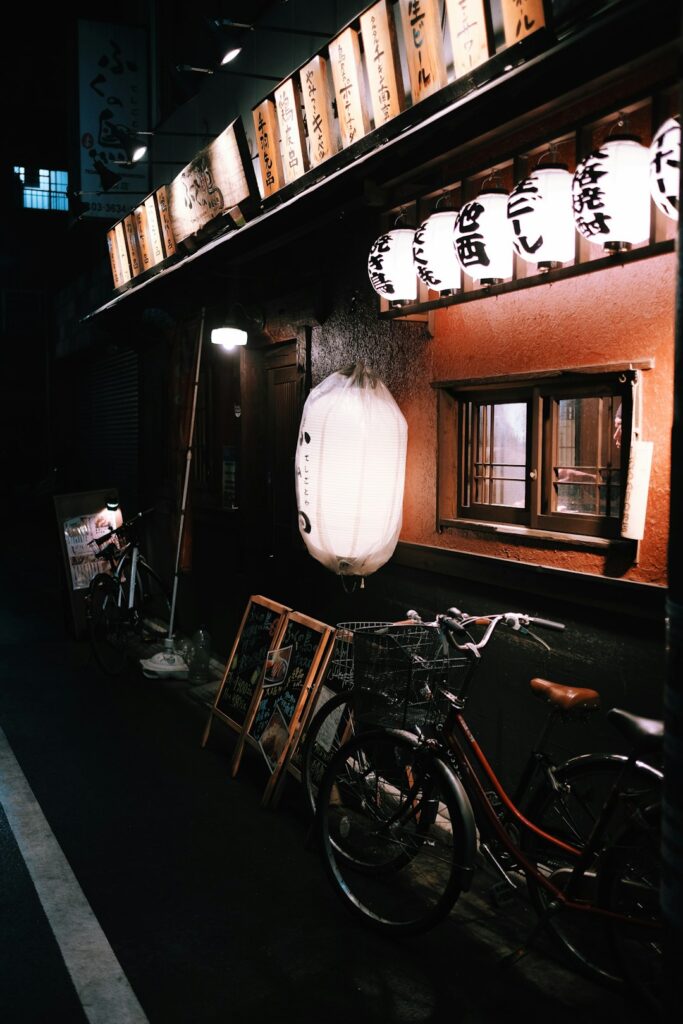

There’s an electric hum in the air of Japanese urban culture—a hum that vibrates with vinyl records, clouded glass, and the aroma of hand-dripped coffee. As digital pop-ups and slick global chains flood city streets, a quiet yet unmistakable revival is brewing in the form of “Neo-Kissa”: new-wave retro coffee shops inspired by the charm and hospitality of Showa-era kissaten. Gen Z, with smartphone in hand, is at the heart of this renaissance—seeking not only aesthetic pleasure but also connection to the stories, flavors, and nostalgia of an older Japan. Join us as we pour over this fascinating blend of tradition and trend, exploring why Japan’s youngest are flocking to experience vintage comfort with a modern twist.
What Is Neo-Kissa? The Soul of Showa-Era Coffee Culture
To understand the Neo-Kissa boom, you must travel back to the days of Japan’s Showa era (1926–1989), when coffee shops—or kissaten—became cozy cultural havens. Unlike brisk modern cafés, classic kissaten cultivated intimacy: master baristas (often in vests and bow ties) brewed coffee drip by drip, perpetual jazz filled the air, and interiors brimmed with frosted glass lamps, wood paneling, paisley armchairs, and quietly humming table clocks.
Menus in these time capsules went far beyond coffee—think handmade sandwiches, decadent parfaits, Napolitan spaghetti, and classic pudding a la mode. Every corner whispered nostalgia, creating community for poets, students, and dreamers. Now, decades later, Neo-Kissa are reinventing these spaces, artfully mixing vintage features with new comfort—resurrecting the retro ambiance that once defined an epoch.
Why Gen Z Loves Neo-Kissa: Nostalgia, Instagram, and the Search for “Real”
What’s fueling this surprising Neo-Kissa revival among Japan’s youngest generation? In a fast-paced, hyper-digital world, Gen Z craves analog refuge and authentic experience. Retro kissaten offer exactly that—a striking contrast to generic, minimalist coffee chains. The textured wallpapers, mismatched mugs, and intricate ceiling tiles feel like a secret portal to another era.
Social media has played a powerful role: Instagram feeds burst with the glossy shine of morning toast sets, stained-glass windows, and latte art in porcelain cups. Gen Z influencers have propelled obscure local kissaten into trending hotspots, sharing not just visuals but fragments of the cafes’ rich histories. The slow, tactile rituals—observing coffee extraction, leafing through vintage magazines—capture hearts tired of algorithm-driven living.
Above all, Neo-Kissa offer an experience to be felt, not simply consumed—a precious authenticity that resonates strongly with those seeking “realness” in a digitized age.
Deep Dive: The Coolest Retro Cafes in Tokyo and Osaka
Hop on the Odakyu Line to Tokyo’s Shimokitazawa, a neighborhood thrumming with indie energy. Here, hidden kissaten like Saboten greet you with stained glass, soft jazz LPs, and a menu straight from the ’70s. Another gem, Cafe Stay Happy, blends retro decor with bold flavors—try their signature Viennese coffee or milk pudding for a true throwback.
Journey west to Osaka’s Nakazakicho, an enclave famous for its labyrinthine alleys and vintage shops. Kissa American stands out—awash in plush orange upholstery, wall-mounted clocks, and the golden glow of yesteryear. Nearby, Kissa Marufuku charms with mosaic tabletops and a legendary chiffon cake. Many of these spots preserve handwritten menus, hand-washed cups, and regulars who’ve held court there for decades.
Off the beaten path, you’ll find kissaten with original Showa interiors and menus unchanged for 40+ years—each one a living time capsule waiting for the next generation to discover.
Menu Highlights and Interior Magic: How to Enjoy a Kissaten
Order a “Morning Set”—buttered Japanese toast, a boiled egg, and a mug of drip coffee—and let the unhurried pace of the kissaten sink in. For a sweet treat, try the Purin (Japanese caramel custard pudding), Melon Soda Floats, or a colorful parfait layered with seasonal fruits and whipped cream.
What truly sets Neo-Kissa apart is their immersive decor: vintage telephones, Tiffany lamps, and dusty manga books line the walls, transporting visitors to retro daydreams. Some cafés even retain cigarette-friendly “smoking seats,” a relic from a different, analog age.
To make the most of your visit:
- Sit by the window with a paperback and people-watch during a sleepy afternoon.
- Chat with the barista about the café’s history—many love to share stories from the Showa days.
- Bring friends and try a nostalgic board game or read aloud from classic Japanese magazines lying around.
With every sip and glance, you’ll feel the decades roll back.
Voices From Within: Owners & Regulars on the Future of Neo-Kissa
Many Neo-Kissa are family-run, with owners who view their establishments as both heritage and hometown sanctuary. Mr. Kimura of Kissa American in Nakazakicho says, “We’re not just selling coffee, but a place to slow down, to remember.” Their regulars now include young creatives alongside gray-haired loyalists.
Seina, 22, a university student and frequent visitor to Shimokitazawa’s Saboten, shares, “Coming here feels like entering my grandparents’ home. The taste, the music, even the quiet conversation—everything is comforting.” Through social media, she’s inspired friends to seek out similar spots, creating a tribe of Neo-Kissa enthusiasts reshaping what “cool” means in Japan.
The future of Neo-Kissa is a blend: rooted in Showa traditions, kept alive by a new wave of passionate youth and owners eager to share their world with curious souls. As more kissaten open or are lovingly restored, this movement promises more than just coffee—it offers an oasis of human warmth in an ever-accelerating nation.
So the next time you journey to Japan, trade your predictable café order for a steaming cup of nostalgia—Z generation approved.
