
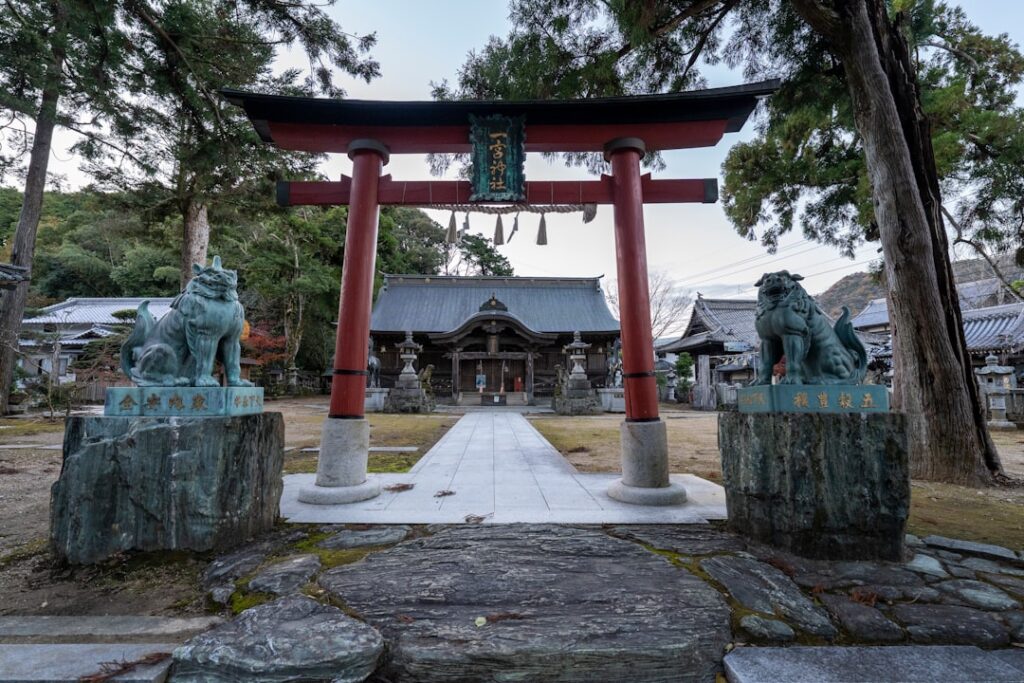

Are you seeking a travel experience that goes far beyond sightseeing and immerses you in the heart of Japanese culture? Zen retreats are quietly booming across Japan, offering mindful travelers the rare chance to explore hidden temples, learn meditation from real monks, and reconnect with themselves in tranquil surroundings rarely touched by mass tourism. In this guide, we unveil a new frontier of wellness travel–one that leads you off the crowded paths of Kyoto into Japan’s secret sanctuary retreats. Read on to find out why these deep, authentic Zen getaways are captivating a worldwide audience, and how you can embark on your own meditative journey in 2026.
What Is a Zen Retreat? Exploring the Latest Trend in Japanese Mindfulness Travel

Zen retreats, or “Zen ryokō” (禅旅行), are immersive experiences where visitors step into the world of traditional Japanese meditation and temple life. While Kyoto’s famous temples have long drawn travelers, a new wave of retreats is flourishing in the countryside and rural temple complexes where silence, nature, and authentic practice reign. In 2026, more and more overseas visitors–from long-time meditators to curious newcomers–are discovering the transformative power of authentic Zen: unplugging devices, participating in zazen (sitting meditation), eating shojin ryori (temple cuisine), joining spiritual rituals, and reconnecting with their inner selves.
What makes these retreats unique? It’s the intimacy and direct guidance from resident monks, the deeply local flavors of each temple, and a slower, more profound approach to travel that is both healing and culturally rich.
Hidden Zen Temples Across Japan: Beyond Kyoto’s Beaten Paths
If you imagine Japanese Zen, your mind probably flashes to Kyoto. But for those willing to venture further, Japan offers a constellation of lesser-known temples and rural retreats. In Shikoku, serene mountain temples such as Shōsan-ji and Okubo-ji serve as spiritual refuges along the famous 88-temple pilgrimage. Nagano hides gems like Zenkō-ji’s lesser-known subtemples, where fresh air and cedar forests set the mood for mindfulness. In Fukui, Eihei-ji—the fountainhead of Soto Zen—welcomes guests for overnight retreats, immersing them in temple rhythms unchanged for centuries.
These sacred sites tend to offer a more personal, less commercialized experience. Guests often sleep in tatami-matted rooms, wake to the sound of temple bells, and spend days surrounded by moss gardens and the quiet company of resident monks. Whether you’re seeking snow-clad rooftops in winter, cherry blossoms in spring, or lush greenery in summer, each destination has its own secret beauty–without the crowds.
Unique Activities: Meditation, Shojin Ryori & Waterfall Pilgrimages
A Zen retreat in rural Japan is not just about meditation. Each temple and region has its own set of transformative practices. Here are just a few highlights you might encounter:
- Zazen Meditation: The core of every retreat, formal sitting meditation (zazen) is led by seasoned monks who gently guide participants—regardless of experience—through posture, breathing, and silent awareness. Even just one session often leaves travelers with a newfound sense of clarity and calm.
- Waterfall Meditation (Takigyo): In regions such as Shikoku, brave visitors stand under chilly mountain waterfalls in a practice that cleanses body and spirit—a unique ritual for those seeking both challenge and renewal.
- Shojin Ryori: This refined, plant-based cuisine is an art and a spiritual practice in itself. Prepared by temple chefs, each meal is a lesson in mindfulness, seasonality, and gratitude—a far cry from standard restaurant dining.
- Conversations with Monks: Many rural temples offer time to reflect with the abbot or younger monks, creating a rare chance to ask questions about Buddhist philosophy, everyday mindfulness, and the meaning of life in Japan’s spiritual context.
These activities, set amid gardens, forests, and mountains, create an environment unlike anywhere else in Japan—a true immersion in inner stillness and cultural discovery.
Guest Voices: Transformative Experiences at Hidden Zen Retreats

What is it actually like to join a rural Zen retreat? Here are some reflections from international travelers:
“I came hoping to learn meditation, but what surprised me was how welcomed I felt by the monks. Sharing meals, cleaning the temple, and talking about everyday life showed me the heart of Japanese hospitality.”
– Ben, UK
“After three days at a temple in Fukui, I started to feel my stress dissolve. The quiet rituals and the simplicity of daily life changed how I think about time and happiness.”
– Julia, Germany
“I’d always thought Zen was just about sitting still. But the walks through cedar forests, the shared laughter at the dining table, and chanting with monks at dawn—it all brought a deep sense of connection and serenity I’ve never known before.”
– Kara, US
These voices echo a common theme: Zen retreats are journeys of the mind, not just places on a map. For many, the experience leads to renewed mental clarity, lasting friendships, and a deeper understanding of Japanese culture and spirituality.
How to Plan Your Zen Retreat: Booking, English Support & Tips for Travelers

Ready to walk the path less traveled? Here’s what you need to know to make your Zen retreat a reality:
- How to Book: Many rural temples now accept reservations online, either directly through their websites or via local tourism offices. For guaranteed English assistance, look for listings on travel platforms such as Japan National Tourism Organization or specialty retreat sites.
- English Support: While some temples have English-speaking staff or translated schedules, many do not. Consider bringing a translation app or phrasebook. However, the language barrier can actually deepen your experience, encouraging mindfulness and attentive listening.
- Getting There: The journey to these retreats is often part of the adventure. While Kyoto is accessible by bullet train, places in Shikoku, Nagano, and Fukui may require a combination of local trains and buses. Check timetables in advance, embrace the slower pace, and prepare for occasional rural quirks.
- Etiquette and Preparation: Temples generally require quiet, modest dress, and a willingness to participate in daily chores. It’s respectful to follow the lead of resident monks and fellow guests.
With planning and an open mind, even first-time visitors can seamlessly immerse themselves in Japan’s secret side of Zen.
Embarking on a Zen retreat beyond Kyoto isn’t just a holiday–it’s a life-changing adventure in mindfulness, culture, and self-discovery. These hidden sanctuaries invite you to pause, breathe, and experience Japan on a level that few ever do. Will you answer the call of tranquility?
