
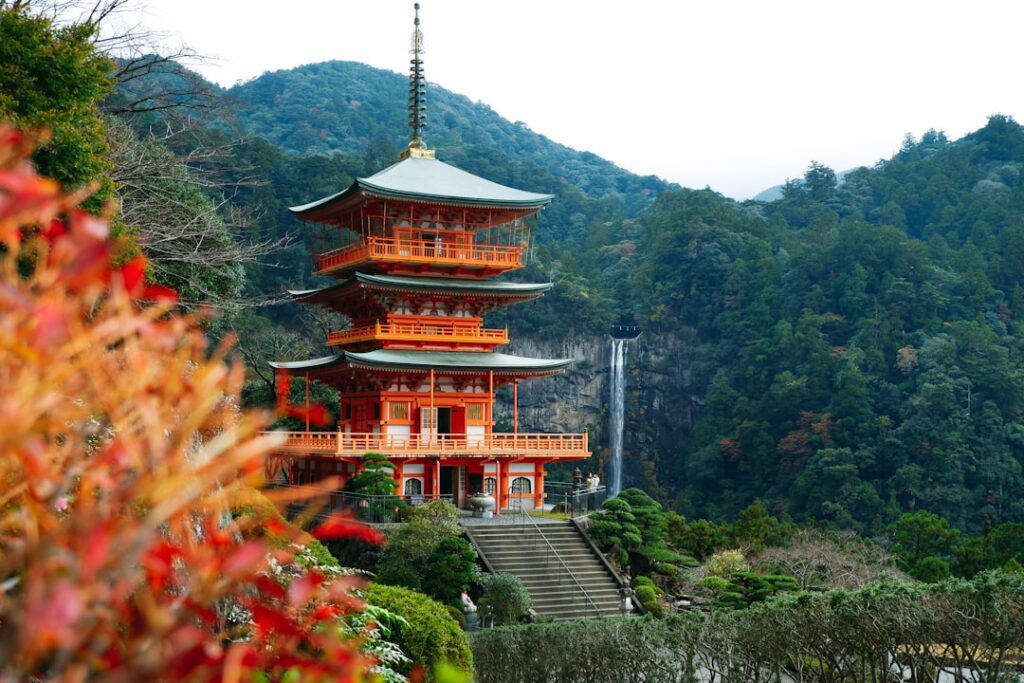

Japan’s Kumano Kodo is more than just an ancient pilgrimage route through the awe-inspiring landscapes of Wakayama—it’s a living link to centuries of spiritual tradition, local wisdom, and an evolving sense of community stewardship. As more travelers seek authentic, immersive experiences beyond the usual tourist trail, the Kumano Kodo stands out, not only for its profound history but also for how local communities are breathing new life into this sacred path. Discover how these ancient trails are thriving anew, blending cultural heritage, innovative local initiatives, and sustainable tourism in remarkable ways.
Kumano Kodo: History, Cultural Significance, and UNESCO Status

The Kumano Kodo is a network of pilgrimage trails that crisscross the mountainous Kii Peninsula, leading to the revered Kumano Sanzan shrines—Kumano Hongu Taisha, Kumano Nachi Taisha, and Kumano Hayatama Taisha. For over a millennium, emperors and commoners alike have journeyed these mossy forest paths, seeking spiritual rebirth in nature’s embrace. Designated a UNESCO World Heritage Site in 2004, the Kumano Kodo is recognized not only for its breathtaking natural beauty but also for its unique fusion of Shinto and Buddhist traditions, making it one of only two pilgrimage routes in the world with this status (the other being Spain’s Camino de Santiago).
Walking the Kumano Kodo is to step into the living story of Japan—ancient cedar groves, centuries-old stone paths, and mystical shrines set amidst mist-shrouded mountains. Every step is steeped in history, and even today, spiritual wayfarers join tourists and locals on pilgrimages of personal discovery.
Kumano Kodo’s Modern Revival: Community-Driven Innovations

In recent years, the Kumano Kodo has seen a remarkable resurgence, due in large part to the passion and creativity of local communities. Responding to the global boom in experiential travel, locals have initiated new projects to welcome and engage visitors while protecting the trail’s fragile environment. Community-led guesthouses, or minpaku, bridge visitors with local culture, offering homestyle meals and warm hospitality.
Villagers have revitalized old teahouses along the route, and pop-up art installations now appear seasonally, using natural materials sourced from the forests. Collaborative workshops—ranging from calligraphy classes to traditional indigo dyeing—invite travelers to become active participants, not just observers. These efforts ensure that the Kumano Kodo remains a living heritage, ever-adapting but deeply rooted in tradition.
Immersive Nature Experiences with Local Guides and Residents
The true magic of the Kumano Kodo is revealed when you move beyond its landmarks, journeying alongside the people who call this region home. Local guides—many with deep family roots in the area—lead forest bathing sessions among ancient cedars, introducing mindful walking techniques that harmonize body and spirit. Some communities offer hands-on craft sessions: learn to make bamboo baskets, carve wooden amulets blessed by local priests, or create postcard art from pressed wildflowers found along the trail.
For food lovers, nothing beats experiencing Wakayama’s rural life over a steaming bowl of local forest-mushroom miso soup or vivid plates of handpicked mountain vegetables. Evening gatherings in village homes often culminate in impromptu folk music sessions, where guests join in song and laughter, deepening connections with a way of life shaped by both nature and time.
Recommended Routes and Hidden Gems for Explorers
While the Nakahechi route is the most famous, starting in Tanabe and winding toward the Kumano shrines, seasoned trekkers recommend branching out to less-traveled paths. The Kohechi trail runs north-south, cutting through quiet mountain valleys and remote settlements untouched by mass tourism. Locals might tip you off to hidden waterfalls, like the ethereal Hyakken-gura, or serene moss gardens tucked behind centuries-old tea houses.
Stop for tea at a small rest stop run by old villagers, or soak in an outdoor onsen overlooking the misty Kii mountains. For those keen on the supernatural, consider visiting the subtly marked “power spots” revered by locals for their spiritual energy—far from any guidebook listing.
Sustainable Tourism and Kumano Kodo’s Path Forward
Sustainability is at the heart of Kumano Kodo’s revival. Locals are actively involved in conservation efforts, from replanting native tree species to organizing community clean-up hikes. Eco-friendly accommodations utilize renewable energy and natural building materials, while the tourism board educates visitors on responsible travel practices—such as “leave no trace” principles and supporting local businesses.
As visitor numbers rise, the region’s vision remains focused on harmony: preserving its mystical forests and sacred shrines while ensuring that tourism supports—not erodes—the essence of local culture. For travelers seeking meaning, wonder, and a chance to walk alongside the wisdom of the Japanese countryside, the Kumano Kodo promises an unforgettable journey—one where tradition and innovation continue to shape an ancient path, anew.
