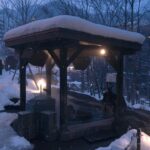
If you’re dreaming of a truly rejuvenating getaway in 2026, Japan’s hidden hot springs offer an experience that transcends soothing mineral waters. The latest trend marries time-honored onsen culture with sustainable, eco-friendly practices, taking you deep into rural Japan for immersive stays that honor local heritage and the natural world. From secret eco-ryokan escapes to farm-to-table cuisine, discover how modern travelers—like you—can support authentic communities, lessen their footprint, and soak in Japan’s peaceful wilderness in remarkable new ways.
A New Wave: Japan’s Onsen Culture Meets Sustainability

For centuries, Japan’s onsen—natural hot spring baths—have served as a haven to soothe body and spirit. Today, the onsen experience is being thoughtfully reimagined for a sustainable future. Eco-conscious ryokan (traditional inns) and small mountain resorts are redesigning their operations, harmonizing age-old bathing traditions with green technology, local craftsmanship, and environmental care.
This fusion is more than a trend—it’s an invitation to participate in a lifestyle that promotes wellbeing for both the guest and the landscape. Solar-powered inns, renovated historic buildings, and locally sourced amenities let you indulge in deep relaxation while supporting responsible tourism. In 2026, the “secret” is out: the best hidden hot springs in Japan are also the greenest!
Latest Trends: What Makes an Eco-Friendly Hidden Onsen Exceptional?
Leading destinations such as Kusatsu Onsen in Gunma and secluded eco-ryokan in Oita, Kyushu, set the benchmark for sustainable hot spring escapes. Here’s what distinguishes these mindful retreats:
- Green Building & Energy: Many eco-inns refurbish historic buildings, utilize geothermal and solar energy, and minimize single-use plastics.
- Community-Focused: Staff are local, cuisine is sourced from nearby farms, and activities engage guests with village life and seasonal festivals.
- Water Stewardship: Onsen waters are used responsibly—filtered, reused for heating, and always returned clean to their source.
- Off-the-Beaten-Path Location: These ryokan don’t advertise to mass tourism. Instead, they reserve their tranquil mountain or riverside settings for those seeking authentic, low-impact escapes.
When booking, look for accommodations with certifications in sustainability, endorsements by local councils, or clear transparency about their ecological initiatives. Choose places where your visit benefits the environment and the local people alike.
Local Encounters: Experiences and Flavors You’ll Find Nowhere Else

A stay in a sustainable hidden onsen is more than a bath—it’s a gateway to the heart of rural Japan. Depending on the season and region, you might try:
- Guided Nature Walks: Quiet forests, mountain paths scented with pine, or riverside trails guided by local naturalists.
- Farm Activities: Picking vegetables with village farmers, foraging for wild mountain herbs, or learning about organic rice cultivation.
- Craft Workshops: Soba noodle making, traditional indigo dyeing, or bamboo handicrafts with local artisans.
- Farm-to-Table Dining: Fresh, seasonal meals lovingly prepared by your hosts, featuring local wagyu, river fish, wild yams, and rare mountain mushrooms.
These activities offer a rare chance to forge a real connection with place, people, and plate—something only possible far from busy tourist cities.
True Retreat: Insights from Guests and Local Residents

“In the morning mist, I shared stories over tea with my ryokan host. She taught me the meaning of omotenashi—true Japanese hospitality, steeped in both tradition and care for the Earth.” – Maria, traveler from Sweden
“Restoring our 150-year-old inn was a way to keep our ancestors’ legacy alive, while protecting the forest and the hot spring’s purity. Guests thank us for a slow, healing experience—away from the crowds, close to genuine community.” – Sato-san, onsen innkeeper in Oita
Voices like these echo across Japan’s hidden retreats. Whether it’s a solo explorer, family, or long-term international guests, all speak of profound relaxation, a renewed respect for nature, and new friendships with locals who care deeply for their tradition and land.
Sustainable Hot Spring Adventure: Itineraries & Tips for Global Travelers

Ready to explore Japan’s best sustainable hot spring getaways? Try this sample journey:
- Start in Tokyo—board a shinkansen to Gunma for two nights in a rural eco-ryokan in Kusatsu Onsen, soaking up mountain air and mineral baths.
- Head south to Oita, Kyushu, for farm-to-table mirin tastings, community eco-tours, and secluded open-air springs beneath the forest canopy.
- Consider lesser-known gems: Tottori’s onsen towns, Nagano’s volcanic valleys, or Hokkaido’s lakefront ryokan—each offers local traditions and easy access to hiking and cycling.
Tips for Responsible Travel:
- Pack reusable items (bottle, chopsticks, tote bag) to reduce waste.
- Use public transit or eco-certified shuttle services.
- Support small business—buy direct from farms and local artisans.
- Leave nature as you find it—stay on trails and respect wildlife.
With sustainable travel on the rise, 2026 is your moment to rediscover Japan, one hidden hot spring at a time. Each visit not only heals the body, but helps preserve these magical sanctuaries for generations to come.