
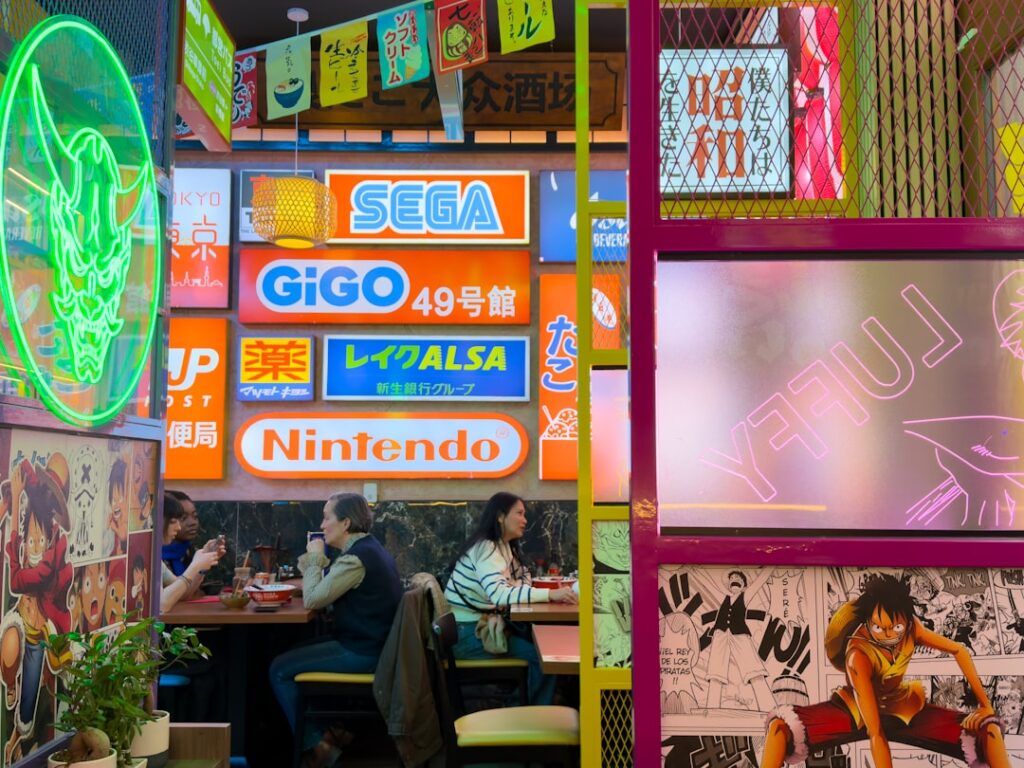

If you thought Tokyo’s café scene was limited to bustling chains and neon-lit trends, it’s time to discover a hidden layer: the “Neo-Kissaten.” Deep within the city’s backstreets, a new wave of retro-inspired Japanese cafés is blossoming—infusing nostalgic Showa-era charm with bold, modern flavors and aesthetics. This article will uncover what makes these neo-kissaten truly unique, introduce some must-visit neighborhood spots, and invite you to experience a slice of real Tokyo café culture as cherished by locals and hidden from mainstream guides. Ready to sip, savor, and slip into a vintage world reinvented for today?
What Is a Neo-Kissaten? Blending Showa Retro with Modern Tokyo Style
Originating from the traditional “kissaten” (喫茶店) that flourished from the 1960s onward, the neo-kissaten movement preserves the nostalgia of Japan’s golden café era while seamlessly updating the format. Where classic kissaten offered wood-paneled interiors, dim lighting, and hand-dripped coffee in porcelain cups, their contemporary counterparts add futuristic design touches, inventive drinks, and a creative twist on the menu.
Central to the neo-kissaten spirit is the harmony of old and new. Expect to find vintage record players sitting beside Wi-Fi routers, showa-era posters reimagined as minimalist wall art, and a clientele as likely to be students with laptops as elderly regulars looking for a taste of the past. These cafés are a sanctuary from Tokyo’s fast pace, where time seems to slow and every detail is chosen with care.
Hidden Gems: Neo-Kissaten in Tokyo’s Local Neighborhoods
The heart of the neo-kissaten renaissance beats away from the familiar tourist routes. Instead, neighborhoods like Shimokitazawa, Yanaka, and Kagurazaka have emerged as hotbeds for these unique cafés.
In Shimokitazawa, “Cafe Stay Happy” greets guests with vintage furniture, subtle jazz, and a rotating menu of international comfort foods reinterpreted with Japanese flair. Over in Yanaka, “HAGI Cafe” is tucked inside a renovated traditional house, offering both homemade pudding and pour-over coffee, all enjoyed against a backdrop of tatami mats and nostalgic memorabilia. Kagurazaka, renown for its old geisha alleys, hosts “Cafe Loup,” where a classic French-Japanese brunch meets retro Showa décor and curated music playlists.
Each café is tied to its community—sometimes collaborating with local artists or hosting events that further blend the contemporary and classic. As these spots are often only whispered about among locals, venturing off the well-trodden path is the key to discovery.
Masterful Interiors & Evolving Menus: From Classic Pudding to Art Latte

Step inside a neo-kissaten, and you’ll be met with a curated aesthetic—a heady mix of nostalgic elements and fresh design sensibilities. Ornate wooden panels, shelves lined with manga, retro light fixtures, and seats drawn from an earlier age are all brought together by a shop owner’s discerning eye. Yet there’s always a subtle update: maybe a touch of Scandinavian minimalism, a dash of pop art, or an open kitchen where you can watch your coffee being made.
The menus equally surprise. Alongside hand-brewed coffee and decadent purin (Japanese pudding), you might discover signature “art lattes” with delicate foam designs, rare single-origin beans, vegan-friendly pastries made from local produce, or playful spins on classic parfaits. Some cafés host ‘pudding festivals,’ inviting guests to sample nostalgic recipes with a modern twist. The result is a feast for both the eyes and the palate, where tradition and invention blend seamlessly.
The Secret to Comfort: A Café Experience Beloved by Regulars and Newcomers Alike

Why do neo-kissaten attract such a devoted following? It’s the immersive experience—the blend of comfort, nostalgia, and novelty. Regulars return for the familiar echo of vinyl jazz and the favorite coffee mug with just the right weight. Younger patrons come armed with cameras, eager to capture the vibe for their social feeds, but often end up settling in for hours, lost in conversation or quiet reflection.
Tourists stumble in dreaming of “real Japan,” only to discover a unique crossroads where generations meet. Many cafés foster a sense of belonging with handwritten menus, friendly baristas who remember your order, and quirky touches like monthly book swaps or vintage board games for guests to enjoy. In embracing imperfection and authenticity, neo-kissaten embody the Japanese concept of “komorebi”—a dappled kind of gentle light, filtering down through the everyday.
The Future of Café Culture: Neo-Kissaten as Tokyo’s New Must-Experience

Neo-kissaten are more than a fleeting trend—they’re redefining what it means to take a break in Tokyo, capturing both the essence of Japan’s past and its creative present. As more travelers seek authentic, local experiences, these cafés offer a rare look into the heart of Tokyo’s changing neighborhoods and the passions of the people who shape them.
Next time you find yourself wandering Tokyo’s winding alleys, let your senses guide you. Follow the scent of freshly ground beans or the welcoming glow of a retro sign. Step inside, slow down, and savor a moment suspended between vintage nostalgia and contemporary comfort—the true soul of the neo-kissaten awaits.
