
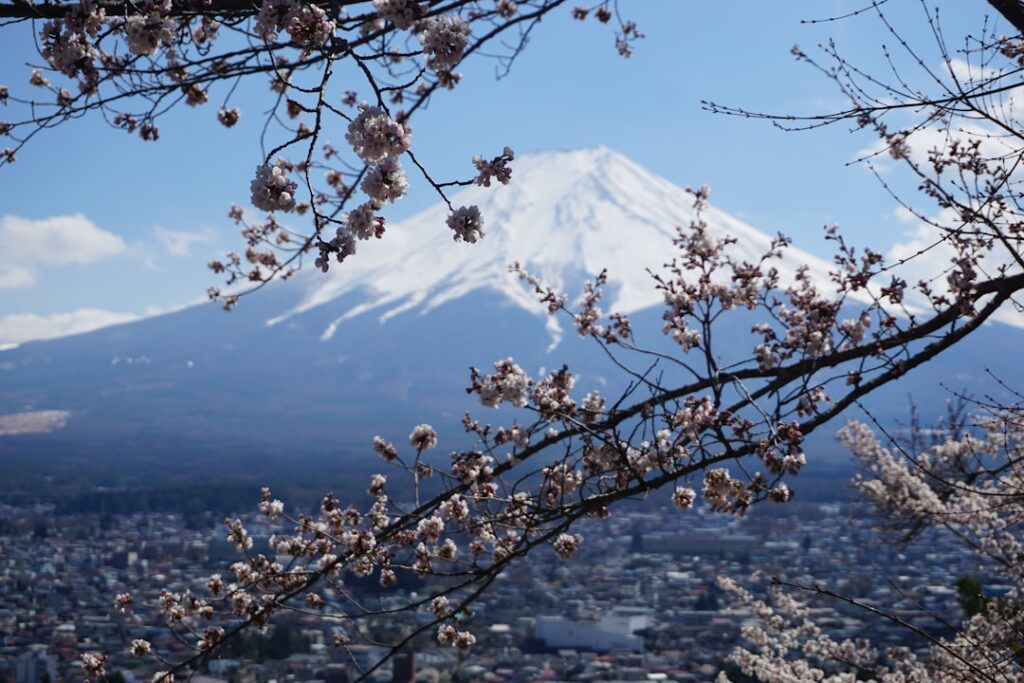

Nestled deep in central Japan, Yamanashi prefecture is often synonymous with the majestic Mt. Fuji. Yet, for those willing to wander beyond the crowds and classic vistas, Yamanashi holds a world of springtime secrets: untouched hiking trails brimming with wildflowers, rushing streams, and the hushed beauty of rural villages. In this guide, we’ll take you far from the familiar postcard scenes to uncover the hidden wonders that only locals know—revealing a side of spring in Yamanashi you’ll want to experience for yourself.
Discovering Spring Beyond Mt. Fuji: Yamanashi’s Untouched Nature
While Mt. Fuji dominates most travel itineraries for Yamanashi, the prefecture is home to a tapestry of landscapes that rival its most famous peak. During spring, gentle mists rise from ancient forests, mountain trails glow with fresh greenery, and tiny rural hamlets welcome in the season with traditional festivals and rustic charm. These less-traveled valleys and wooded gorges awaken with the scent of earth and bloom, calling to explorers who seek authenticity and peace. Whether you’re a first-timer or a returning visitor, Yamanashi’s hidden springtime world offers a unique escape from the well-trodden tourist path.
Secret Trails: Local Hideaways Like Nishizawa Gorge and Mitake Shosenkyo
Venture into Yamanashi’s backcountry and you’ll discover hiking routes that even many Japanese haven’t visited. Among these gems:
- Nishizawa Gorge (西沢渓谷): Famous for its crystalline blue streams and cascading waterfalls, this trail rewards those who venture with tranquil views and the lush scent of mountain moss. The well-maintained path winds through native forests, affording hikers countless photo opportunities and places to pause and listen to the rushing water.
- Mitake Shosenkyo (御岳昇仙峡): A canyon known for dramatic granite cliffs, clear rivers, and an explosion of greenery every spring. Walking these twisting paths, you’ll pass through tunnels of overhanging branches, stumble upon local shrines, and perhaps spot wild deer or monkeys.
Unlike the crowded slopes of Mt. Fuji, these secret spots retain their quiet magic. Most weekends, you’ll share them only with eagles overhead and the occasional fellow hiker—many of whom are locals protecting their favorite corners from mass tourism.
Spring’s Limited Wonders: Blossoms, Fresh Greenery, Wildflowers, Streams

Springtime in Yamanashi brings a transient palette of color and fragrance. Cherry blossom season is fleeting; by venturing to lesser-known riversides and hill slopes, you’ll encounter groves of blooms uninterrupted by crowds. As the season advances, forests burst into brilliant shades of green—bracken, maple, and Japanese oak. Along hidden trails, wildflowers like yamayuri lilies and gentians scatter the undergrowth in bursts of purple and gold.
One unforgettable experience is walking beside mountain streams so clear you can spot trout gliding among the stones. Cascades and little waterfalls create a soothing background music to your journey—a rare treat that roots you to the landscape and the quiet pulse of rural Japan. The only thing you’ll wish for is more time to soak it all in.
Forest Cafés & Local Flavors: Recharging Where Nature Thrives

Halfway through your adventure, there’s nothing better than stumbling upon a hidden forest café. Scattered along rural roads or tucked behind ancient cedars, these cafés and rest stops offer homemade cakes, hand-dripped coffee, and views of rolling green valleys. Many specialize in local Yamanashi ingredients—try houtou (a hearty noodle stew), seasonal vegetable tempura, or fruit-infused desserts using fresh peaches and grapes from nearby orchards.
Dining outdoors is a highlight in itself. Picnic benches in clearings, riverside decks, or rustic log terraces become front-row seats to the blooming wilderness. It’s not just about refueling; these breaks immerse you in the gentle rhythms of Yamanashi’s spring, where every bite and every sip connects you deeper to the land.
Traveler’s Guide: Getting Around and Making the Most of It

Exploring Yamanashi’s less-traveled trails is both rewarding and practical with a touch of local know-how. Here’s how to make your journey smooth:
- Public Transportation: Regular trains from Tokyo reach Kofu Station in just under two hours. Rural buses connect Kofu to trailheads like Nishizawa Gorge and Shosenkyo, but timetables can be infrequent—so check in advance, and don’t hesitate to ask station staff for the latest routes.
- Local Guides: Especially for non-Japanese speakers, hiring a local guide opens up trails and stories you might otherwise miss. Many guides are residents who know not just the paths, but the history, wildlife, and folklore of the region.
- What to Bring: Spring weather is fickle—bring waterproof hiking shoes, layers for chilly mornings, a reusable water bottle, and a camera for wildflower surprises. Pack out all trash and remember: leave nothing but footprints.
Yamanashi’s secret trails are a world away from the well-worn routes. With a spirit of adventure—and respect for the quiet wilds—you’ll discover a Japan that’s timeless, tranquil, and brimming with spring’s most intimate wonders.
