Are you seeking authentic tranquility, spiritual nourishment, and immersive wellness experiences in Japan? In 2026, the country’s hidden temples and secluded rural onsens have surged in popularity among those yearning to rediscover harmony away from the city’s ceaseless rush. From meditative temple stays in the mountains to naturally healing hot springs tucked deep in scenic countryside, Japan’s newest Zen wellness retreats offer unique opportunities to reconnect both body and soul. Join us as we unveil lesser-known havens, mindful local programs, and indispensable tips for planning your own unforgettable escape.
The New Boom: Zen Wellness Retreats & Quiet Escapes in 2026 Japan

In 2026, Japan stands at the forefront of wellness travel, particularly with the explosive rise of Zen-inspired retreats. These immersive getaways—centered around mindfulness, nature, and local tradition—have redefined what it means to travel for wellness. Instead of hurried sightseeing, more visitors are prioritizing deep relaxation, healing rituals, and genuine cultural connection. Whether nestled in misty mountains or rural villages, “Zen Wellness Retreats” draw both Japanese and international travelers, offering everything from silent meditation and authentic temple meals to nature therapy and forest bathing.
This trend is not only fueled by interest in mental and physical health, but also by a renewed global curiosity for Japan’s ancient wisdom and its harmonious way of life. In a world where overstimulation and screen time dominate, these sanctuaries of silence offer the chance to breathe, reflect, and truly unwind.
Hidden Temple Stays: Meditation, Shojin Ryori, and Scriptural Calm in Koyasan
One of the most coveted experiences in the Zen wellness movement is the “temple stay”—especially in revered locations like Koyasan (Mount Koya) in Wakayama Prefecture. High above the clouds, over one hundred Buddhist temples continue centuries-old traditions of hospitality, welcoming travelers to participate in temple life.
During a temple stay (shukubo), guests rise to the sound of temple bells, joining monks for morning meditation (zazen) in serene tatami halls surrounded by candles and incense. Many temples offer shojin ryori, a refined, plant-based cuisine that reflects Buddhist philosophies of non-violence and mindfulness. Every meal is a celebration of fresh, local produce, beautifully prepared to delight both the palate and the soul.
Additional experiences include shakyo (sutra copying), tea ceremonies, and calligraphy. Whether you’re a spiritual seeker or simply seeking deep peace, these immersive temple stays place you at the heart of Japanese wisdom—inviting you to listen to your inner self, far from everyday distractions.
Secluded Countryside Onsens: Local Hot Springs in Hakone and Remote Hideaways
Nothing speaks to Japanese wellness quite like the onsen—thermal hot springs sacred for their therapeutic minerals and restorative power. In 2026, travelers are venturing beyond the major resorts in search of more authentic, tranquil, and off-the-beaten-path onsen experiences.
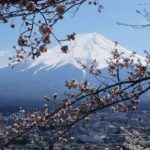
One of the most beloved destinations is Hakone, where riverside ryokans (traditional inns) offer open-air baths with unparalleled natural views: mist-laden forests, mountain peaks, and on clear days, glimpses of Mount Fuji. Here, hours slip by as you soak in mineral-rich waters, listen to the song of birds, and unwind beneath the stars.
Yet, it’s the smaller, lesser-known rural onsens (in regions like Tohoku or Kyushu) that are capturing the imaginations of worldly travelers. These hidden gems are typically family-run, devoid of crowds, and often reputed in local folklore for their healing properties. Spend a night in a rustic inn, savor home-cooked meals, and marvel at the art of Japanese hospitality in its purest form.
Community-Driven Wellness: Yoga, Herbal Therapy, and Walking in the Japanese Countryside
Japan’s Zen wellness retreats reach beyond temples and baths—many are now rooted in collaboration with local villagers, monks, and wellness practitioners. These programs integrate ancient wisdom with modern health trends, making them richly rewarding for travelers seeking deeper cultural engagement.
Rural villages have begun offering outdoor yoga sessions amid rice paddies, forests, or temple courtyards, often guided by Buddhist monks or certified instructors. Herbal therapies—such as aromatic steam baths, teas, and local remedies—revive traditional knowledge of Japan’s native plants, with villagers teaching guests to craft their own wellness products.
“Satoyama walking” (hiking through village forests and fields) offers mindful movement in stunning landscapes, guided by locals who share the stories and biodiversity of their homeland. Whether foraging for wild herbs, making natural dyes, or joining sunrise group meditations, travelers gain not only health benefits but first-hand experience of Japan’s rural heart.
Practical Tips: Language Help, Getting There, and Booking Secrets for International Visitors

Ready to embark on your Zen-inspired journey? Here are crucial tips for overseas travelers seeking Japan’s best-kept wellness retreats:
- Language support: While deep rural areas may have limited English, many temple stays, ryokans, and onsen villages now offer language assistance—either via bilingual staff, translation apps, or guest materials in multiple languages.
- Getting there: Regional destinations are accessible by Japan’s superb train network (often via the JR Pass), buses, or private transfers. Look for detailed temple or inn access instructions online, and don’t hesitate to ask local tourism offices for last-mile guidance.
- How to book: Many temple stays, boutique ryokans, and wellness programs now accept online reservations via multilingual platforms. Popular retreats fill up quickly (especially in peak seasons like autumn and spring), so plan ahead and confirm cancellation policies.
- Insider advice: Aim for two nights to fully experience the tranquility; pack light but include modest clothing for temple grounds; and always respect local customs regarding bathing, footwear, and photography.
As Japan’s Zen wellness retreats quietly captivate the world, travelers willing to stray from the usual path will discover an abundance of peace, beauty, and authentic connection—leaving not only rejuvenated but transformed.