
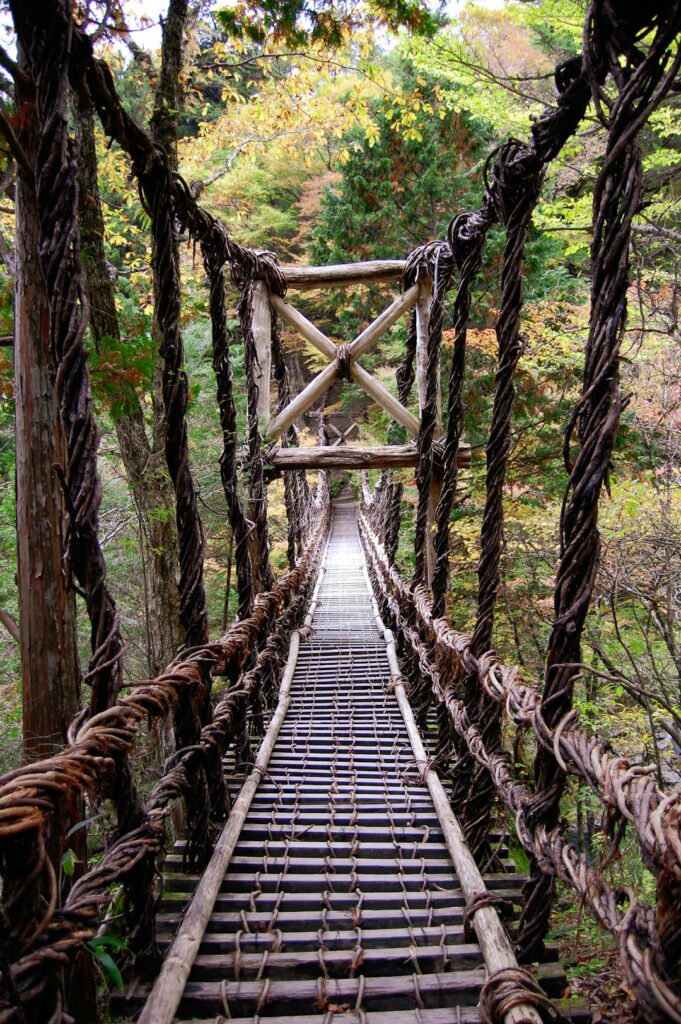

Deep within the island of Shikoku lies an untouched haven where mystical forests, ancient mountains, and timeless Japanese healing traditions intertwine. While Tokyo and Kyoto draw the international spotlight, a quieter revolution is taking place among Shikoku’s emerald canopies. Here, travelers in search of rejuvenation and serenity can immerse themselves in “forest therapy,” the Japanese practice of shinrin-yoku, all while discovering local hospitality and traditions unknown to most tourists. Let’s journey into the heart of Shikoku and unlock its secret sanctuaries for body and soul.
Why Shikoku? The Global Rise of Forest Therapy
Forest therapy—known locally as shinrin-yoku or “forest bathing”—has surged in global popularity as people seek refuge from urban stress and digital overload. Japan, the birthplace of this practice, has long believed in the healing power of nature, with scientific studies now confirming reductions in stress, improved immune function, and enhanced mental well-being after time spent among trees.
While Japan boasts many famous forested regions, Shikoku stands out for its remoteness, biodiversity, and gentle hospitality. Unlike the often-crowded destinations in Honshu, Shikoku’s wild interior offers vast, nearly untouched woodlands and a sense of genuine seclusion. Here, the practice of slowing down, breathing deeply, and connecting with nature is woven into daily life.
Iconic Sanctuaries: Iya Valley, Mt. Tsurugi & Authentic Healing
The Iya Valley (祖谷渓) is often called one of Japan’s “three hidden valleys.” Nestled deep within central Shikoku, it’s a mystical realm of lush gorges, vine bridges, and timeless villages. Steeped in history and legend—including tales of samurai clans finding refuge here—the valley remains isolated, fostering traditions unique to its people.
Another centerpiece of Shikoku’s forest therapy is the area surrounding Mt. Tsurugi (剣山), one of Japan’s most sacred peaks. Revered by ascetic monks and mountain pilgrims for centuries, the trails and forests here offer a spiritually charged atmosphere, with waterfalls, mossy paths, and breathtaking alpine views.
What makes these spots exceptional isn’t just the scenery—it’s the way healing happens through local customs: slow walks through ancient cedar groves, meditation beside crystalline streams, and sharing wild-foraged teas with villagers who know every secret of the land.
Experiences for Body & Soul: Forest Bathing, Onsen, and More

Shikoku offers a palette of immersive activities:
- Forest Bathing (Shinrin-yoku): Guided or solo mindful walks along gentle forest trails, focusing on breathing, the sounds of flowing water, and the silent wisdom of ancient trees.
- Trekking: Paths thread from the mysterious Iya Valley floor up to panoramic vistas on Mt. Tsurugi, providing routes for both casual hikers and seasoned trekkers.
- Onsen (Hot Springs): After forest immersion, enjoy outdoor baths overlooking tree-clad mountains—a sensory experience that relaxes muscles and quiets the mind.
- Local Cuisine: Relish dishes crafted from mountain vegetables, river fish, hand-cut soba, and even konjac grown in local fields—all prepared with traditions that reflect generations of natural wisdom.
Whether you come for a day-trip or a longer wellness retreat, these experiences blend physical health, mental clarity, and the pleasures of authentic Japanese hospitality.
Hidden Gems: Local Guides & Unique Stays Only Insiders Know
One of Shikoku’s biggest charms is its community of passionate locals who carry on ancient traditions with quiet pride. Licensed forest therapy guides are available in Iya Valley and at the foot of Mt. Tsurugi—they’ll share hidden trails, folklore, and even homemade foraged snacks.
For the ultimate immersion, spend a night at a kominka (restored farmhouse inn) perched above misty valleys, or at a family-run ryokan where slow life and nature come together. Some accommodations offer private open-air baths fed by natural hot springs, with meals sourced from the surrounding mountains. Advance reservations are recommended, as these gems remain delightfully uncrowded.
If you seek a deeper connection, ask your hosts about seasonal events—harvest festivals, firefly watching, or traditional “moon-viewing” gatherings that draw on ancient customs.
Voices from the Forest: Stories of Healing and the Future of Sustainable Tourism

Travelers who venture into Shikoku’s forests return with more than beautiful photos—they often describe a profound inner transformation. Yuko from Canada writes, “My stress melted away. In Iya Valley, the silence and purity of the air felt almost sacred. I reconnected with myself in a way I hadn’t for years.”
Forest therapy destinations in Shikoku are pioneering sustainable tourism, balancing invigorating human experiences with the preservation of fragile ecosystems. Local initiatives focus on small group tours, renewable energy, and farming practices that protect biodiversity. When you visit, you’re supporting a vision of tourism that safeguards both cultural heritage and natural treasures for generations to come.
As the world seeks ways to heal—physically, mentally, environmentally—Shikoku’s forest sanctuaries shine as beacons of hope and harmony, awaiting those who wish to walk lightly and authentically on the earth.
