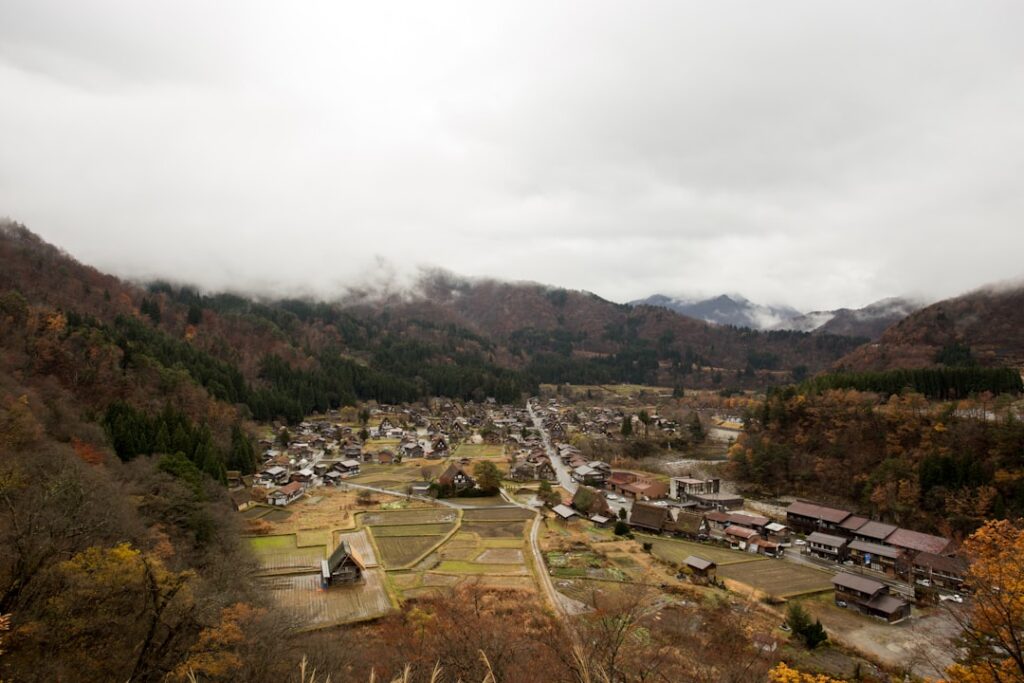

Japan’s countryside is experiencing a renaissance in slow, mindful travel—one that’s deeply rooted in its ancient landscapes and community-driven traditions. In 2025, “satoyama” farming retreats are emerging as the ultimate getaway for next-gen travelers and culture seekers alike. These hidden, rural havens blend traditional values with forward-thinking sustainability, hands-on experiences, and authentic local hospitality. Let’s dive into the world of satoyama, explore region-specific gems, and learn why these retreats are capturing hearts worldwide.
What is Satoyama? Origins and Modern Significance
Satoyama (里山) refers to the unique borderlands between mountain foothills and arable plains in rural Japan, where human settlement and nature coexist in harmony. Historically, these landscapes offered a sustainable way of living—villagers would carefully manage woodlands, rice paddies, and water systems for generations, fostering biodiversity and nurturing community bonds. Today, satoyama is celebrated as a model of eco-friendly living, pioneering agricultural practices, and resilience, especially as Japan faces urbanization and climate challenges. These are not just relics of the past, but thriving testaments to how people and the land can flourish together.
2025 Satoyama Farming Retreat Highlights: Regional Attractions & Case Studies
Across Japan, satoyama communities are opening their doors to inquisitive travelers seeking both hands-on learning and deep relaxation. In Nagano’s Obuse town, you can immerse yourself in terraced chestnut orchards, family-run cider farms, and heritage guesthouses that offer warm local hospitality. Meanwhile, Okayama’s Mimasaka region reveals scenic rice paddies ringed by gentle mountains, dotted with cooperative farms welcoming visitors for seasonal experiences.
In each region, retreats might feature nature walks through mossy forests, involvement in age-old agricultural rituals, or overnight stays in lovingly restored kominka (traditional farmhouses). What makes each satoyama getaway unique is its passionate community—local farmers, artists, and chefs working together to preserve tradition, foster biodiversity, and invite guests into their living landscape.
Community Farm Experiences: Organic Agriculture, Local Cooking, Harvest Tours

What makes satoyama retreats unforgettable is the immersive, hands-on experience at community farms. Guests can get their hands dirty in organic rice fields or vegetable patches, learning about native crops and permaculture directly from local farmers. There are seasonal harvest tours—think picking persimmons in autumn or planting rice in late spring—that connect you to the rhythms of rural life.
Culinary experiences are a highlight: you might join a farm-to-table cooking workshop preparing soba noodles, miso soup, or wild vegetable tempura using just-picked ingredients. Some retreats even invite guests to join sake-making or traditional food preservation classes, providing a window into regional foodways and self-sufficient living. The result? A uniquely satisfying blend of learning, taste, and community spirit.
Why Satoyama Retreats are Popular with Young Travelers and International Visitors

Satoyama retreats are resonating with a new generation seeking meaningful, sustainable travel. In an age of digital burnout and environmental anxiety, these escapes provide both physical and emotional healing—fresh mountain air, mindful green spaces, and the soul-soothing rhythms of farm life. For young Japanese and foreign visitors, there’s a thirst for authenticity: real connections with locals, learning time-honored skills, and contributing to rural revitalization efforts.
The community aspect shines—guests often find themselves sharing meals, stories, and laughter with other travelers and residents, sparking lifelong friendships. Many retreats engage in eco-initiatives—from conserving endangered wildlife to implementing zero-waste kitchens—making guests feel part of a greater, positive change. In 2025, the satoyama movement perfectly blends adventure, purpose, and well-being.
How to Prepare for Your Satoyama Retreat: Tips and Recommendations

Ready to embark on your own satoyama journey? Here are a few essentials to ensure an unforgettable, comfortable retreat. Pack lightweight outdoor wear and rain gear—Japan’s countryside weather can be unpredictable. Bring sturdy shoes for nature walks or working in the fields, as well as reusable water bottles and eco-friendly toiletries to support the sustainability ethos.
Brush up on a few Japanese phrases or local customs—host families appreciate the effort and may share even richer stories as a result. Most satoyama retreats are best accessed by regional trains or rental cars, so plan your journeys in advance, and don’t hesitate to consult local tourism offices for hidden gems or guided experiences.
Above all, come with an open mind and a willingness to join in—whether that means lending a hand in the gardens, joining in local festivals, or simply sharing tea with neighbors. Satoyama is an invitation to slow down, reconnect, and discover a side of Japan few ever see.