
Japan’s deep forests have always inspired awe, but in 2025, a new trend of immersive wellness retreats is redefining the ancient art of Shinrin-yoku, or “forest bathing.” Shinrin-yoku 2.0 goes far beyond a mindful walk among trees: it’s a fusion of tradition, science, and local ingenuity, delivering rejuvenation for mind and body. Let’s journey into these hidden retreats, hear voices from the heart of Japanese forests, and equip you to embark on your own wellness adventure.
Shinrin-yoku 2.0: The Evolution of Forest Bathing

The roots of Shinrin-yoku (“forest bathing”) date back to the 1980s, born from Japan’s cultural reverence for nature and the growing body of evidence that forests benefit our wellbeing. Traditionally, Shinrin-yoku was about slow, mindful immersion—breathing in phytoncides, listening to leaves rustle, simply being with the woods.
In 2025, Shinrin-yoku 2.0 is blossoming. These next-generation wellness retreats combine ancient rituals—tea ceremonies, chanting, forest yoga—with cutting-edge biofeedback and sensory technology. Some retreats offer guided meditations tailored to the forest’s unique acoustics, while others partner with local artisans for workshops using natural pigments or edible plants. You’ll find programs tailored to solo reflection, couples, or small groups. The aim: to create genuine transformation, helping you reconnect, refresh, and grow in the embrace of Japan’s forested heart.
Japan’s Deepest Forest Retreats: From Aokigahara to Yakushima
Japan is rich with forests, but some locations offer transformative wellness experiences that transcend the typical tourist trail:
-
Aokigahara Forest (Mt. Fuji, Yamanashi):
Known as the “Sea of Trees,” Aokigahara’s volcanic soil and ancient lava caves create a mysterious, energizing landscape. Retreats here collaborate with local guides who introduce guests to Reiki-infused walks, nocturnal soundscapes, and forest storytelling rooted in centuries-old folklore. The sense of silence and stillness is unparalleled. -
Yakushima (Kagoshima):
This subtropical island, a UNESCO World Heritage site, is famed for cedar trees thousands of years old (Jomon Sugi), lush moss gardens, and crystalline streams. Wellness programs here connect you with endemic wildlife, offer mindfulness practices among misty groves, and include sea-to-forest meditations with local healers. The island’s frequent rainfall gives a sense of perpetual renewal. -
Tottori Sand Dunes Forest Retreats (Tottori):
Blending sandy landscapes with pine forests, retreats host sunrise yoga facing the dunes and “sand therapy” sessions, combining coastal air with meditative practice under the pines. -
Kiso Valley (Nagano):
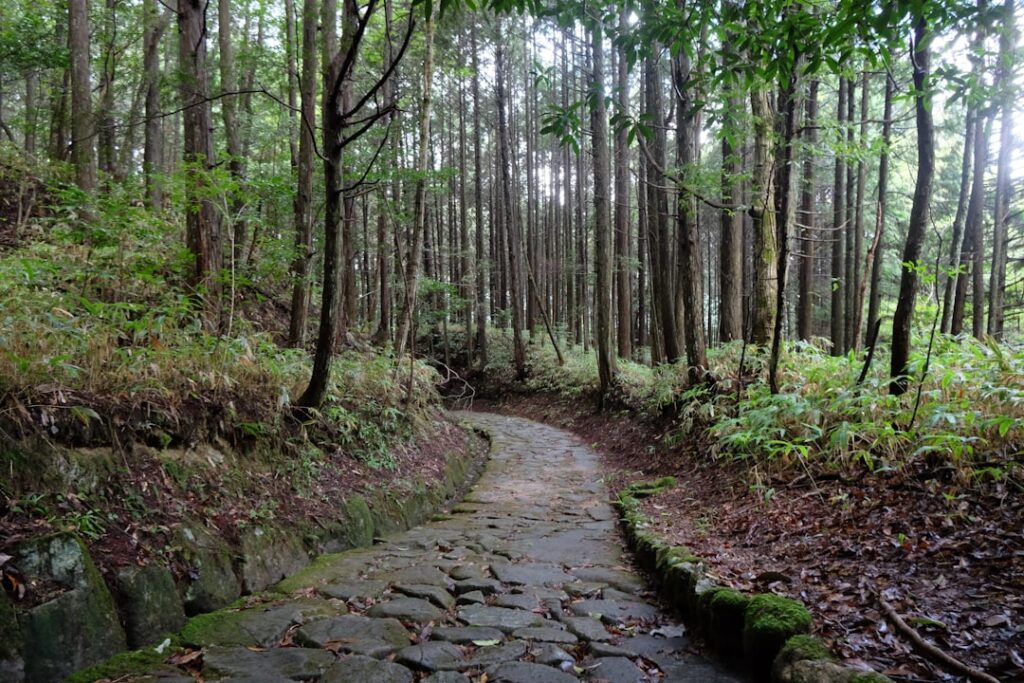
Stay in Edo-period post towns and walk ancient Nakasendo trails. Retreats blend hot spring bathing, forest walks, and indigenous herbal workshops led by locals whose families have lived here for generations.
Each of these destinations offers distinctly local flavors—traditional meals, timber-scented lodges, and deep community ties that make every visit unique and meaningful.
In Their Words: Interviews with Retreat Pioneers and Locals

“Many guests arrive with digital fatigue and leave as if they’ve been reborn,” shares Junko K., founder of a women’s-only wellness lodge on the Kiso Trail. “Our sound baths use old forest instruments and local herbs to cleanse the senses—you won’t find these traditions in guidebooks.”
Recent years have inspired creative collaborations: Yakushima’s eco-retreats now partner with local sea kayak guides for combined ocean-forest wellness days. In Aokigahara, therapists and storytellers co-host moonlit forest mythology walks, and several retreats offer bilingual programming to welcome international guests.
During the spring and autumn, locals host “Forest Temple Markets,” where visitors can taste herbal cuisine, join moss terrarium workshops, or meditate inside traditional tea houses surrounded by ancient trees. According to several retreat managers, “The key is community—guests and locals together weaving new rituals rooted in this singular land.”
Nature’s Healing Power: Science, Results, and Why Japan Is Unique
The healing power of Japanese forests isn’t just folklore. Studies have shown that Shinrin-yoku reduces cortisol levels, lowers blood pressure, and increases natural killer cell activity—essential for immune response. What’s new in 2025’s Shinrin-yoku 2.0 is data-driven customization: some retreats track heart rate variability and skin temperature, personalizing your forest itinerary for maximum benefit.
Compared to Western wellness trends—which often focus on digital detox or performance, sometimes in closely curated spaces—Japan’s approach is rooted in relationality with the land. It isn’t only about “disconnecting,” but about finding new connection—with yourself, with tradition, and with living nature.
Attendees increasingly report long-lasting improvements in sleep, mood, and creativity. “Being in these forests feels like coming home to a part of myself I’d forgotten,” says Maria L., a visitor from Sweden after a week in Yakushima.
Your Forest Journey: Booking, Access, and Local Wisdom

- Booking: Many retreats are seasonal and fill up quickly—book directly via official websites or through select eco-travel agencies that specialize in rural Japan experiences. Some offer early bird or group discounts.
- Access: While major destinations like Yakushima involve a combination of bullet train and ferry, others (Aokigahara, Kiso) can be reached by local train and bus. Most retreats offer pick-up service from nearby stations.
- Preparation: Pack layered clothing, rain gear, and minimal electronics. Bring a journal for reflection, as many retreats promote digital silence for deeper mindfulness.
- Local Tips: Engage with the community—join workshops, try onsen baths, and sample local food. Respect forest etiquette: keep noise low, leave plants untouched, and be mindful of sacred sites.
Embrace slow travel: these retreats reward curiosity, patience, and a willingness to be transformed by nature’s quiet miracles. As Shinrin-yoku 2.0 spreads its roots, you’ll discover Japan through the most profound lens of all—the healing heart of its forests.