
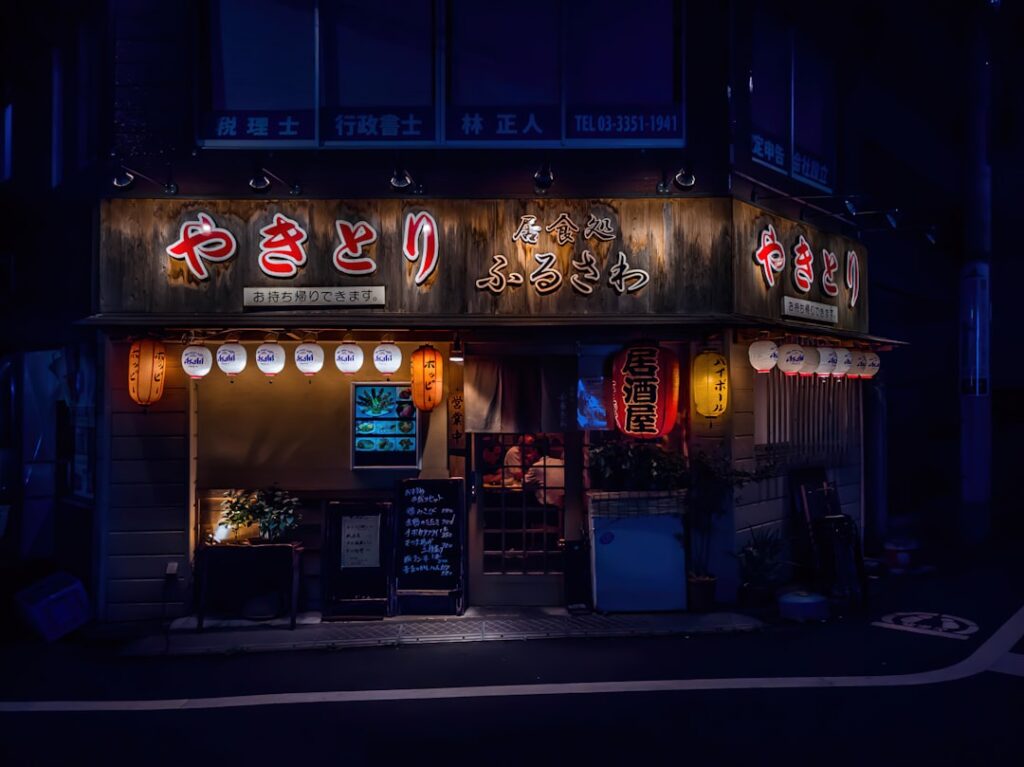

Step into a world where midnight melodies linger and the soft crackle of vinyl charms the soul. Hidden amidst the bustling cityscape of Tokyo, jazz cafés and vinyl bars are experiencing a captivating revival in 2025. Far from just drinking spots, these sanctuaries offer unique, immersive experiences for locals and world travelers alike. Whether you’re a seasoned jazz lover or a curious newcomer, let us guide you into Tokyo’s most atmospheric late-night hideaways, where music, community, and nostalgia swirl together in perfect harmony.
A Brief History: How Jazz Cafés and Vinyl Bars Became Tokyo’s Midnight Sanctuaries

Tokyo’s romance with jazz stretches back to the post-war era. The first jazz kissaten (jazz coffee houses) emerged in the 1950s, offering Japan’s youth a window into Western culture through records imported from across the sea. These sanctuary-like spaces became home for artists, intellectuals, and music aficionados seeking escape from the everyday.
By the 1980s, as urban nightlife diversified, many of these bars struggled. Yet in the 2020s, a fresh wave of young owners and music lovers—eager for analog depth in a digital age—have sparked a revival. The tranquility, curated sound selections, and comforting dim lights now attract a new generation hungry for “real” experiences. In 2025, Tokyo’s vinyl bars are not only relics of the past, but vibrant torchbearers for the future.
Exploring Tokyo’s Deepest Jazz Cafés: Insider Journeys in Shibuya and Shimokitazawa

Some of the most enchanting venues are tucked away in Tokyo’s trendiest districts. In Shibuya, Bar Martha welcomes guests with shelves of pristine records and a strict “no talking about jazz” policy that urges you to simply listen. In Shimokitazawa, the bohemian heart of Tokyo, Jazz Bar Lady Jane blends a cozy, candle-lit space with a deep vinyl archive curated by a passionate owner.
During my recent visits, I was swept away by the gentle hum of analog sound and the camaraderie among patrons—many of whom come alone yet greet each other as old friends. Specialty drinks like smoky whiskey highballs or house-made coffee cocktails add a sensory twist. Whether you slip into a well-worn leather seat or stand by the record shelves, every corner radiates a sense of discovery and wonder.
Secrets of the “Hideout”: Wisdom from Regulars and Owners

What truly sets Tokyo’s jazz spots apart is a sense of unwritten tradition. Through interviews with regulars and owners, I discovered a quiet code of conduct: speak softly, savor the music, and show respect for the turntable. These aren’t places for phones or loud conversation—they’re “listening rooms,” where every song is an event and every visitor a fellow traveler.
Yuki-san, owner of a Shibuya vinyl bar, shared: “My job is part-DJ, part-caretaker. Regulars trust me to read the room—sometimes a rainy night calls for Miles Davis, while other times we travel to obscure Japanese free jazz.” Regular patrons cherish the sense of sanctuary and the ritual of selecting the next record. “It’s like church for music lovers,” one longtime visitor said, “where the communion is sound.”
The New Tokyo Nightlife: Vinyl Bars as a Global Urban Experience

Tokyo’s jazz hideaways have become a destination not just for Japanese locals but also for international music fans hungry for authentic, site-based encounters. Music tourists from Paris, London, and New York book their tables months in advance, eager to soak in the carefully curated soundscapes and rare grooves. For many, these vinyl sanctuaries offer a tangible connection to Tokyo’s creative heart—a break from algorithm-driven playlists and into the world of curated analog beauty.
The phenomenon has changed the city itself, bringing a new, cosmopolitan night culture that balances tradition and innovation. Jazz is no longer background music here—it’s the centerpiece, and every evening show is a celebration that unites cultures under the velvet darkness of Tokyo’s electric nights.
Your First Jazz Café Crawl: Tips, Treats, and How to Enjoy Like a Local

If you’re new to this enchanting scene, don’t worry: Japan’s jazz cafés are famously welcoming to first-timers. Begin your evening in Shibuya or Kichijoji, and plan to visit 2–3 spots for different atmospheres. Try ordering the house specialty drink—often a rare Japanese cocktail or single-origin coffee—and let the staff recommend a record or introduce you to a nightly theme.
Some bars even serve traditional Japanese otsumami (snacks) made for late-night listening. As you explore, respect the communal spirit: keep your voice low, and open your mind to genres you’ve never heard. Who knows—the next ballad you hear may become your personal Tokyo memory.
So, let the neon lights guide you. Lose yourself in the velvet hush of a jazz sanctuary, and savor every note. In the heart of Tokyo’s night, the music tells a story only you can complete.
