
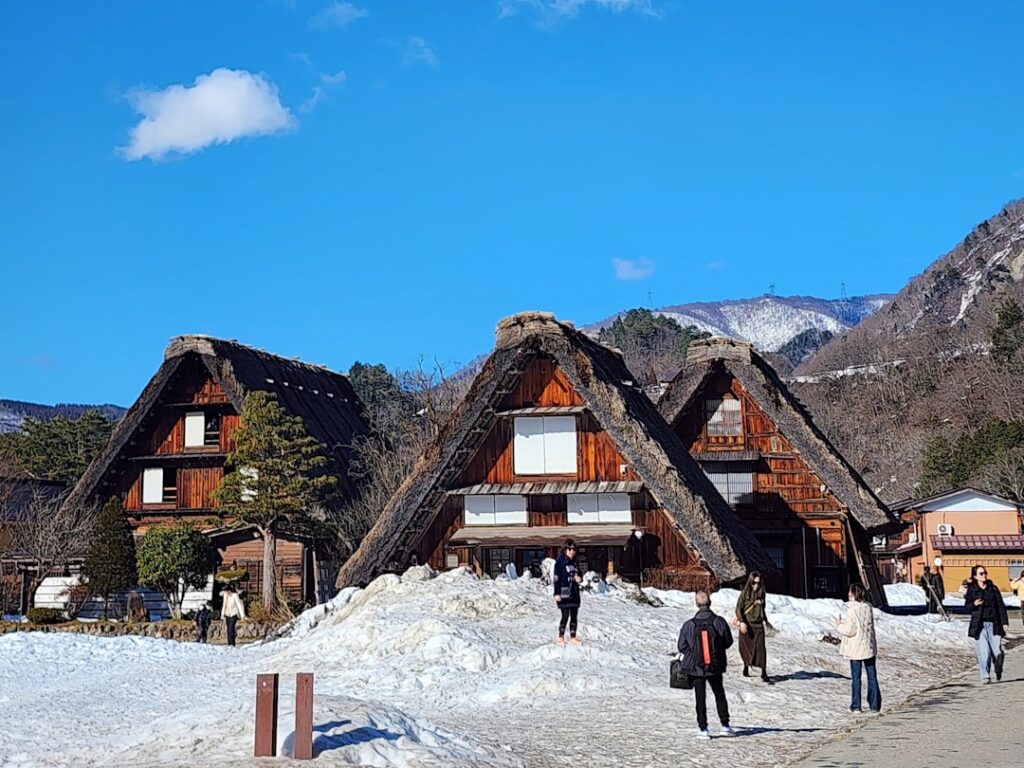

Have you ever dreamed of warming your body in a steamy outdoor sauna while gazing at majestic snow-capped peaks, then savoring a comforting Japanese home-cooked meal in a cozy mountain lodge? In Japan’s hidden Alpine region, you can experience just that. This article reveals the growing trend of herbal outdoor saunas in the Japanese Alps, paired with intimate local cuisine and the deep-rooted values of sustainable travel. Step into a world beyond the tourist guides, where ancient mountains, hyper-local flavors, and heartfelt hospitality create an unforgettable journey in the heart of rural Japan.
Discovering the Japanese Alps: Nature’s Grandeur and Local Heritage

Stretching across central Honshu, the Japanese Alps are a vast highland paradise composed of rugged peaks, crystalline rivers, and pristine forests. This mountain range—divided into the Northern, Central, and Southern Alps—has long been cherished by hikers, hot spring enthusiasts, and cultural explorers. Life here moves to the mountain’s slow rhythms: farmers tend terraced rice fields, artisans preserve centuries-old crafts, and timeworn villages offer glimpses of old Japan amid breathtaking nature.
What truly sets the Japanese Alps apart is their blend of unspoiled landscapes and living traditions. Steep mountain trails disappear into cedar woods, while small towns like Kamikochi or Shirakawa-go keep folklore alive through festivals and architecture. This region is a sanctuary for those seeking tranquility and authenticity—far from tourist crowds, close to nature and local heart.
The Outdoor Sauna Revolution: Alpine Steam and Wild Herbs
A fresh trend is rising in these mountains: outdoor saunas with a distinctive Japanese twist. Forget the ordinary spa—here, the sauna is set beside rushing mountain streams or perched above panoramic valleys, letting you sweat while immersed in pure, invigorating air. What makes these saunas truly unique, however, are their embrace of local herbal traditions.
Instead of the classic Finnish birch, Japanese Alpine saunas infuse their steam with wild herbs: yomogi (mugwort), shiso, and aromatic mountain plants foraged from nearby meadows. The result is a botanical aroma that soothes both body and mind, amplifying the healing power of steam. Some saunas even rotate their herbal blends seasonally, making each visit a new sensory adventure.
After your sauna session, a plunge into a crystal-clear mountain river offers both a bracing thrill and restorative energy. For many, standing on a wooden deck, towel wrapped around you, gazing into a sea of misty peaks, is as close as you can come to oneness with nature in modern Japan.
Local Feasts: Home-Style Cooking from the Heart of the Alps

One of the highlights of an Alpine sauna journey is the meal that follows. Picture this: a simple dining room overlooking terraced slopes, the aroma of simmering miso and mountain vegetables filling the air. Here, “ofukuro gohan”—homestyle cooking often made by local mothers and grandmothers—becomes an act of heartfelt hospitality.
Menus shift with the seasons and the day’s harvest: river fish grilled with salt, sansai (wild mountain vegetables) picked early that morning, red rice, and steaming pots of hearty nabe stew. Sourcing their ingredients from nearby farms or even the forests outside, these cooks transform humble produce into nourishing, deeply flavored dishes.
This is not haute cuisine, nor is it a tourist set-menu; it is comfort food at its finest, warming both body and soul—especially after the mind-clearing heat of an outdoor sauna.
Why Go Deep? Sustainability and True Connection

The Alpine sauna movement is reimagining rural tourism in Japan—not as a fleeting escape, but as a chance for genuine connection. Many sauna lodges are small, family-run, and deeply committed to sustainability. They support local farmers and foragers, use renewable materials, and collaborate with conservation groups to preserve the mountains they love.
Staying here means more than relaxing; it means participating in a living landscape, learning from artisans, and perhaps even joining in forest clean-up walks or village festivities. Visitors are welcomed not as outsiders, but as partners in sustaining the unique culture and environment of the Japanese Alps. This “deep travel” philosophy is forging new friendships and helping rural communities thrive in the modern era.
Practical Tips: How to Access, Book, and Make the Most of Your Alpine Sauna Adventure
Ready to plan your own Japanese Alps sauna adventure? Here are key tips:
- Getting There: Major Alpine towns such as Matsumoto, Takayama, or Hakuba are accessible by train from Tokyo or Nagoya. Lodge transfers are often available by prior arrangement; check if your sauna experience includes shuttle service.
- Reservations: Small-scale alpine saunas can book out months in advance, especially during peak autumn colors (October-November) and spring (May-June). Contact lodges directly, or use popular Japanese booking platforms—some offer English support.
- Best Seasons: Spring and autumn offer stunning foliage and wild herbs; winter brings snowy serenity but requires proper clothing and snow-access planning. Summer is ideal for waterfall saunas and river plunging.
- What to Bring: Swimming attire, sandals, quick-dry towels, and your favorite reusable water bottle. For hikers, sturdy shoes and layers are essential. Many facilities provide herbal sauna kits but you’re welcome to ask about custom blends or bring your own, too.
- Etiquette: As a guest, be mindful: shower before entering the sauna, respect local customs, and support community efforts—many places encourage participation in recycling or nature walks.
Step off the beaten path, dive into alpine steam, and discover the magic of Japan’s hidden mountains. Your body, your mind, and your spirit will thank you.
