
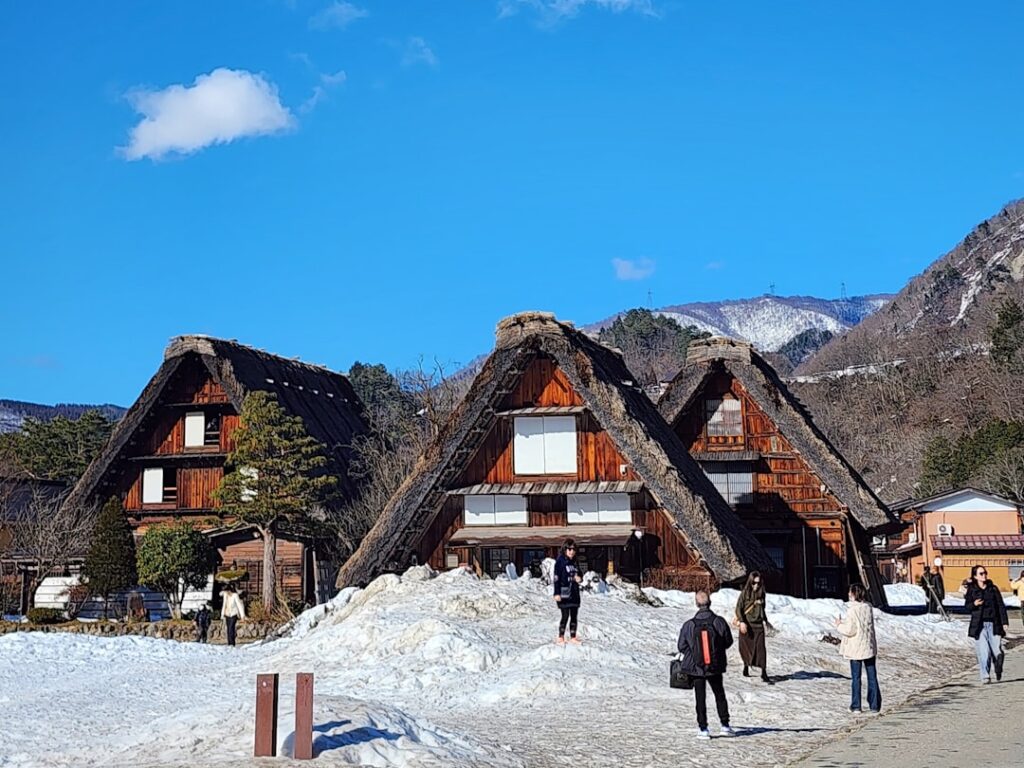

Are you searching for a truly unique and immersive winter experience in Japan? Forget the mainstream ski resorts and bustling tourist spots. Instead, venture into the hidden mountain villages of the Japanese Alps, where a world of snowy tranquility, innovative “snow saunas,” and warm encounters with locals awaits. This guide will take you off the beaten track to discover the magical slow life of rural Japan, where tradition meets creativity and nature’s serenity rejuvenates both body and soul.
What is a Hidden Village in the Japanese Alps?
Tucked away amidst the lofty peaks and deep valleys of central Honshu, hidden villages in the Japanese Alps offer a serene alternative to Japan’s bustling cities. These mountain hamlets, often surrounded by ancient forests, snowfields, and crystal-clear rivers, remain largely undiscovered by international tourists.
Access to these villages—like Shirakawa-go in Gifu, Kamikochi in Nagano, and lesser-known gems scattered through the Hida region—is usually by local train to a mountain gateway town, followed by a picturesque bus ride or a rental car drive through winding snow-lined roads. Each journey delivers breathtaking vistas of snow-laden thatched roofs, icicle-draped pines, and sleepy streams half-frozen in winter’s embrace.
The real secret? Once you arrive, the hush of deep winter, broken only by the crunch of fresh snow underfoot, envelops you in peace. The sense of timelessness and remoteness is profound—ideal for anyone craving authenticity and tranquility.
The Allure of Snow Saunas: Unique Experiences and Local DIY Innovations

The “snow sauna” is the latest trend among mountain dwellers and savvy winter explorers in the Japanese Alps. Inspired by Scandinavian traditions and shaped by Japanese ingenuity, these saunas use locally sourced timbers and are constructed either inside cozy huts or, thrillingly, as dome-shaped igloos built right in the snow.
Many villages now offer guided snow sauna experiences during the deepest winter months (typically from January to mid-March). You’ll be invited to step from the bracing chill straight into a steamy wooden sauna, surrounded by snow walls that muffle sound and intensify the inner warmth. Some saunas even let you roll in the fresh powder snow between sweat sessions—a rejuvenating Japanese twist on the Finnish custom!
Local families often build their own DIY snow saunas with creative flair, and some communities welcome visitors to join in the construction or enjoy pop-up sauna events in the heart of the village. These moments are not just about relaxation—they’re a window into rural hospitality, resourcefulness, and the spirit of sharing.
Traditional Onsen Hopping & Slow Life Encounters with Locals

No trip to a Japanese mountain village is complete without indulging in its onsen (hot springs). These natural thermal baths have been integral to alpine life for centuries—both for their health-giving properties and as social hubs where locals gather as snow gently falls outside.
In many villages, onsen are rustic affairs, often with open-air baths (rotenburo) offering uninterrupted views of snow-covered landscapes. Some hostels and inns welcome day visitors, allowing travelers not only to soak in mineral-rich water but also to share stories with residents who frequent these steamy sanctuaries as part of their daily routine.
This is the heart of “slow travel”: lingering over a bath with friendly grannies, learning about the rhythm of rural life, and discovering how the community thrives in harmony with nature’s cycles.
Savoring Local Cuisine with a Winter View

One of the great delights of winter village life in the Japanese Alps is the food. Local kitchens serve up heartwarming dishes that blend traditional recipes and alpine ingredients: steaming bowls of nabe (hot pot), wild mushroom soups, soba noodles made with pure mountain water, and gohei-mochi—a grilled rice cake with savory miso glaze.
Don’t miss the experience of eating in a window-side dining room while the snow drapes fir trees just outside. Many inns and family-run restaurants pride themselves on their hospitality, offering set meals that change with the day’s catch and harvest. If you’re lucky, you might even be invited to join a local foraged-ingredients dinner or a fireside sake tasting.
Travel Tips & Etiquette for a Deeper Experience

- Plan Ahead: Transport is limited; check local bus and train timetables, especially during snowfall.
- Dress Properly: Snow boots and layered clothing are essential for comfort and safety.
- Respect Privacy: Many villages are working communities, so be considerate about photography and personal space.
- Onsen Manners: Always wash before entering baths, tie up long hair, and never bring towels into the water.
- Engage with Locals: Simple greetings or attempts at Japanese are warmly appreciated and can lead to meaningful exchanges.
- Sustainability: Follow local guidelines for waste disposal and help preserve the natural beauty that makes these villages special.
With these tips in mind, you’re ready to unlock a winter wonderland unlike any other—where the slow pace, warm traditions, and magical snowscapes of the Japanese Alps will linger in your memory long after your journey ends.
