
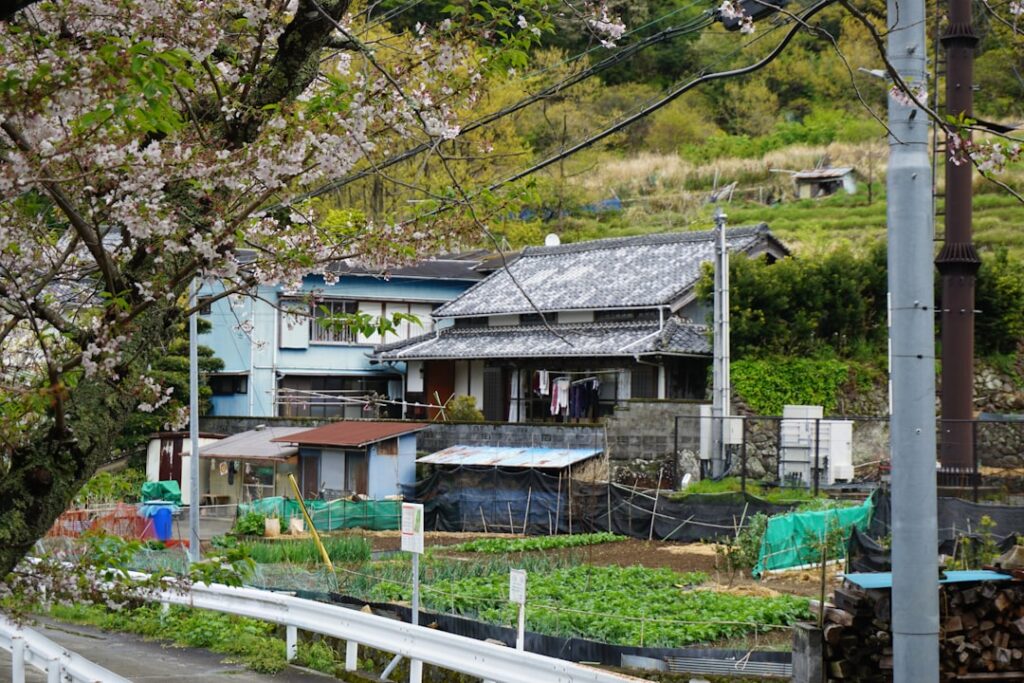

Japan’s culinary culture is entering a new era. While many travelers are drawn to world-famous sushi or ramen, an underground movement is taking Japan’s food scene by storm in 2026. This new wave, called “Neo Washoku,” spotlights ultra-local ingredients, secret hideaway restaurants, and transformative dining experiences in Japan’s countryside and regional towns. Join us on a journey beyond the guidebooks to discover the hidden flavors and innovative chefs at the heart of Japan’s latest culinary revolution.
What Is Neo Washoku? The Modern Movement of Tradition and Innovation

Neo Washoku is the culinary buzzword of 2026, but what exactly does it mean? At its core, Neo Washoku is a revival and reassessment of Japanese cuisine, blending respect for tradition with boundary-pushing innovation. Young chefs return from abroad, eager to reinterpret classic dishes in new, creative forms — think miso-fermented local vegetables served in minimalist, art-inspired presentations or sushi incorporating seasonal roots foraged from regional mountains.
Unlike “fusion” or modernist cuisine that sometimes overlooks roots, Neo Washoku remains deeply connected to Japanese terroir and seasonality. Every plate tells a story: the village it came from, the farmer who grew its rice, and the shifting flavors of Japan’s four distinct seasons. Neo Washoku’s philosophy is fiercely local, prioritizing sustainability, hyper-seasonal ingredients, and authentic relationships between chefs, producers, and the land itself.
Exploring Japan’s Hidden Restaurants – The Ultimate Local Experience

Perhaps the most thrilling part of Neo Washoku is the growing network of “hidden” restaurants across Japan. These are not your average Michelin spots in Tokyo or Kyoto. Instead, they are small, often family-run establishments nestled in back streets, woodlands, or mountain villages. Some are only accessible via local introduction or reservation years in advance; others swap locations with the seasons.
Take, for example, a restaurant in the rural Ibaraki hills sourcing all its vegetables from its own garden, serving multi-course menus to only a handful of guests each night. Or a seaside Nagasaki house where the chef collaborates with neighboring fishermen, creating an omakase of just-caught seafood. These restaurants pride themselves on crafting dishes that can only be experienced in that specific place and moment, drawing adventurous foodies and quietly cultivating cult followings overseas.
Seeking out these culinary hideaways is its own type of travel, rewarded by intimate encounters with flavors, culture, and real Japanese hospitality.
Farm-to-Table Adventures – Dining With the Land

Neo Washoku’s ethos extends strongly into farm-to-table experiences, where the boundaries between producer and diner blur. Across Japan, more farms are opening their gates to visitors, offering immersive harvest events, outdoor banquets, and seasonal cooking workshops with local chefs.
Imagine sitting at a communal table in a Saitama rice field as you enjoy nigiri sushi made with rice you helped plant months ago, or learning the delicate art of shiitake mushroom grilling from a local mycologist in Tottori’s wooded highlands. Some regions, such as Hokkaido and Ehime, host farm-stay programs where you can cook and dine with the families who cultivate your meal.
These authentic culinary encounters reconnect travelers with the land — and the people — behind each unforgettable bite. It is a feast not just for the palate, but for the soul.
Voices From the Land – Chefs and Locals Shaping the Future

The Neo Washoku movement thrives on passion — not just from acclaimed chefs, but also from local farmers, fishers, and community members who are reimagining what Japanese food can be. Many chefs are working side-by-side with agricultural cooperatives to revive neglected ingredients, rescue heirloom recipes, and foster sustainable growing practices.
In rural Gifu, Chef Sakamoto leads a new generation, experimenting with wild edible plants foraged with local elders. In Akita, a bakery owner merges centuries-old koji fermentation with bold, modern breads, while rice paddies nearby have become culinary classrooms for city children. Through interviews and collaborative storytelling, these culinary trailblazers illustrate how Neo Washoku is as much about connection and community as it is about taste.
Their stories invite us deeper into regional Japan’s kitchens, reminding us that every meal can be a cross-generational, cross-cultural celebration.
2026’s Must-Visit Deep Culinary Destinations

As Neo Washoku gains international acclaim, a handful of regions are emerging as top destinations for culinary travelers seeking authenticity and depth. Secret food trails in Noto Peninsula offer sea urchin and mountain herb tasting routes along scenic, little-trodden coastlines. The countryside of Kumamoto and Miyazaki is now hosting pop-up dinners in centuries-old kominka (traditional houses), each paired with local shochu and sake breweries.
Shizuoka’s tea fields, once overlooked, now boast avant-garde tea gastronomy—think matcha-infused wagyu or hand-whisked ceremonial pairings to farm-fresh sweets. Even Aomori, known for apples, lures visitors with innovative cider-infused menus and foraging tours through ancient beech forests.
With growing networks of local guides and new sustainable transport options, 2026 is the year to step off the beaten path and dive into rural Japan’s culinary heartlands, where every village holds a story—and a feast—waiting to be uncovered by bold explorers.
