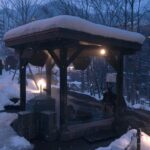
Are you searching for an authentic, off-the-beaten-path winter adventure in Japan? Imagine traversing snowy countryside paths alongside warmhearted locals, discovering wild edible plants nestled beneath the frost, and savoring rustic home-cooked dishes with mountain families. This deep dive into winter foraging in Japan’s hidden village regions—especially Nagano and iconic satoyama landscapes—invites you to taste the wild flavors and sustainable spirit that define rural Japanese life. Immerse yourself in a cultural adventure, where age-old traditions meet nature, community, and timeless hospitality.
Winter Foraging: Japan’s Rural Renaissance
While cherry blossom forecasts and major ski resorts often steal the limelight, a quieter revolution is taking place in Japan’s countryside. Winter foraging—gathering mountain vegetables and wild herbs during the coldest season—has blossomed into a sought-after travel experience for those yearning for deeper local connections and true flavor adventures.
Regions like Nagano, with its dramatic mountain ranges and pristine satoyama (traditional rural landscapes), have seen a steady rise in nature-based tourism. Local guides and community-based tourism projects now open their doors to international guests, offering hands-on insight into a Japan rarely seen by city dwellers or even domestic tourists. This movement is not just a foodie trend; it’s about slowing down, celebrating seasonal cycles, and reconnecting with the land, echoing principles of sustainability and heritage preservation.
Guided Foraging Tours: Step by Step into the Winter Wilds

The journey typically starts at the heart of a mountainside hamlet—perhaps a cozy community center warmed by wood stoves or an inviting family-run ryokan. Friendly local guides, many of them lifelong residents with an encyclopedic knowledge of the flora, gather guests and introduce the day’s route. Despite the chilly air, the warmth of their welcome is unmistakable.
As you venture out, the snow-crisp air is filled with stories—tales of ancient trails, the hardships and joys of rural winters, and a touch of folklore. Equipped with baskets and gloves, participants are taught to seek out edible signs of life beneath the frost: the distinctive green buds of fukinoto (butterbur sprout), delicate yamaudo (mountain asparagus), wild garlic, and even rare edible mushrooms hiding amongst mossy logs. The tour is as much about community and heritage as it is about gathering wild bounty, with guides explaining the role these plants play in Japanese culture and cuisine.
From Field to Table: Cooking and Tasting Rural Winter Delicacies
Once baskets are full, many foraging experiences culminate in a hands-on cooking workshop or a shared countryside meal. Participants prepare their harvest—the floral bitterness of fukinoto tempura, the vibrant freshness of blanched nobiru (wild scallion), or mountain soup stewed with roots, greens, and local tofu.
Sometimes, a seasoned village cook leads a traditional recipe class, teaching guests not only about cooking but about the regional wisdom and customs so vital to rural life. These intimate experiences, away from polished urban restaurants, let you taste the true spirit of Japan’s wild winter—simple, nourishing, and deeply connected to the season’s rhythms.
Community Connections: Sustainability and Living Japanese Culture

Perhaps the greatest treasure of winter foraging isn’t found in the soil—but in the laughter and stories shared with local hosts. Many hidden villages embrace guests as temporary members of their community. You might share tea with village elders, swap recipes, or participate in local festivals if your visit coincides with seasonal celebrations.
Foraging, here, is not a performance for tourists but a living tradition—a cornerstone of sustainable living, with knowledge and gratitude for nature handed down through generations. It is an invitation to slow travel, to ethical tourism that sustains not just the traveler but the place and its people.
How to Experience Winter Foraging in Japan’s Countryside

Ready to embark on your own foraging adventure? Here’s how to get started:
- Where to Go: Nagano prefecture (especially around Kiso Valley, Ueda, and Togakushi), Gifu, and northern parts of the Kansai region all offer foraging experiences and rural homestays. The satoyama areas famed for terraced rice fields often host the most immersive tours.
- Accommodation: Choose a traditional ryokan or countryside minshuku (family-run inn) to fully soak in the rural atmosphere. Many foraging tours bundle overnight stays, giving you a chance to enjoy rustic hot spring baths (onsen) and farm-to-table breakfasts.
- Travel Tips: Most villages are accessible via Japan’s efficient rail system, followed by a local bus or arranged pick-up. Booking a bilingual tour guide or joining community-run programs ensures a rich, worry-free experience—especially for first-time visitors.
- How to Book: Search for “winter foraging tour Nagano” or check websites like Satoyama Experience for curated rural adventures. Many small towns have English-speaking tourism offices or local collectives eager to welcome overseas guests.
Traveling into Japan’s wild winter heartland offers more than scenery; it grants you a place at the table of living tradition. Bundle up, grab a basket, and discover the hidden culinary and cultural gems awaiting you in Japan’s snowy countryside.