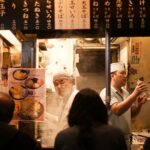
Step off Tokyo’s main streets and wander down its enigmatic alleys, and you’ll discover a world unseen by most travelers: the Neo-Kissaten. These contemporary yet retro-inspired coffee shops are quietly reviving Showa-era café culture, blending nostalgia with modern tastes. In this article, we’ll take you deep into Tokyo’s hidden quarters and guide you on a journey to authentic Neo-Kissaten—where vintage interiors, curious menus, and the art of savoring coffee are being reimagined for a new generation. Ready to experience coffee, Tokyo-style?
What Is a Neo-Kissaten? The Evolution of Showa-Era Retro Café Culture
The word “Kissaten” (喫茶店) conjures images of 1960s and 70s Japan—dimly lit interiors, red velvet seats, classical music drifting through the air, and meticulously brewed coffee served alongside buttery toast or a parfait. These cafés, fixtures of everyday life in the Showa era, were places to linger, read, and savor both drinks and atmosphere.
Recently, Tokyo has seen a Neo-Kissaten (ネオ喫茶店) boom—a movement driven by young café owners enchanted by the past but eager to innovate. These new establishments pay homage to their predecessors with retro touches like hand-drip coffee and vintage décor, but they also embrace contemporary influences: artful gastronomy, specialty beans, and a social-media-friendly aesthetic. Staying relevant in 2026, Neo-Kissaten are delighting locals and curious visitors with a unique blend of old-school charm and modern sensibility.
The Charms of Neo-Kissaten in Tokyo’s Hidden Alleys

It’s in Tokyo’s most unassuming neighborhoods—notably behind bookstores, down lantern-lit alleyways, or beneath the railway tracks—where Neo-Kissaten come alive. These cafés thrive on a sense of discovery: you might stumble upon one behind a noren curtain or up a creaky stairwell adorned with vintage posters.
What makes Neo-Kissaten unique is how they reinterpret retro vibes for today’s Tokyo. Expect lofi jazz or classic city pop playing softly as baristas in vintage aprons handcraft siphon coffee, and interiors where antique radios sit beside minimalist ceramics. Effortlessly Instagrammable yet utterly authentic, these spots invite you to step out of the city’s rush and into a slower, more analog world. Each shop serves as a portal between eras, where the boundary between past and present blurs over a perfect cup.
Local Recommendations: Three Truly Hidden Café Gems
Ask a local Tokyoite, and they’ll reveal that some of the best Neo-Kissaten are tucked away in neighborhoods with deep histories and creative spirit. Here are three favorites you might never find in a guidebook:
- Jimbocho – Sabouru: An old-school institution famed for its time-warp wood interior and piles of books, Sabouru blends true Showa nostalgia with subtle modern touches like craft sodas and matcha lattes.
- Shimokitazawa – Bookends Coffee Service: This laid-back spot down a vine-clad alley is beloved by creatives. Its retro glassware, indie music, and inventive seasonal drinks make it the poster child of Neo-Kissaten culture.
- Yanaka – Kayaba Coffee: Housed in a restored Taisho-era building, Kayaba Coffee delivers an atmosphere that feels frozen in time. Try their signature egg sandwich while soaking in the nostalgia and observing the locals, from artists to grandmothers, who call this café home.
Each spot invites not only coffee enjoyment but participation in the micro-cultures of their respective neighborhoods. If you crave authenticity, these hidden cafés are your starting line.
The Fusion of Nostalgia and Modernity in Interiors and Menus

Step inside a Neo-Kissaten and you’ll sense the reverence for the past—worn-in leather armchairs, cloudy mirrors, and hand-painted menu boards. But linger a moment more and you’ll spot the influences of today: hand-poured specialty coffee, matcha affogato, vegan “kissaten curry,” or even seasonal parfaits adorned with edible flowers.
The magic lies in the creative fusion. Brave owners often scour antique markets for authentic Showa furnishings, restoring tables and chairs and tucking vintage radios or clocks in cozy corners. Yet, their menus often read like a mashup of eras: alongside the classic “morning set” or fluffy soufflé pancakes, you might find plant-based katsu sandwiches or Japanese whiskey affogato. This aesthetic and culinary balancing act offers a comforting nostalgia while inviting all generations (and international guests) to find something delightful.
How to Enjoy Neo-Kissaten Hopping & Latest Trends

To truly savor Tokyo’s Neo-Kissaten scene, don’t rush. Between stations, allow yourself to get lost in backstreets. Map a few café destinations across neighborhoods like Yanaka, Shimokitazawa, and Jimbocho, but stay open to spontaneous discoveries—sometimes the best experience is the one you stumble upon.
Recently, Neo-Kissaten are expanding beyond coffee: many now host live jazz or city pop DJ nights, retro board game sessions, or collaborative exhibitions with neighborhood artists. In 2026, “Kissa hopping” events are trending, where small groups tour several cafés in a single afternoon, sampling each shop’s signature toast or pudding. Instagramming your finds is encouraged (just be mindful of each shop’s rules and the relaxed atmosphere).
For the ultimate trip, talk to baristas—they’re often the gatekeepers of local coffee lore and can point you to the next hidden gem. More than just drinking coffee, Neo-Kissaten offer a doorway into Tokyo’s flavor, style, and slower moments.