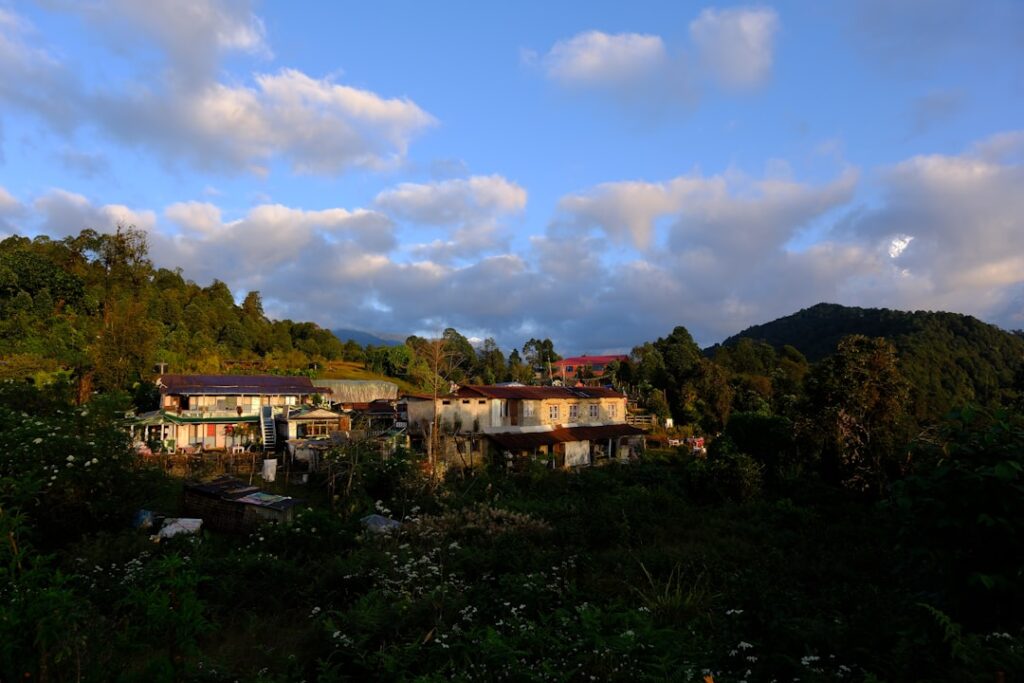

Are you seeking an authentic experience off the beaten path in Japan? Discover the country’s “micro villages”—intimate, revitalized rural communities offering travelers immersive encounters with local life, nature, and tradition. In these hidden havens, slow living isn’t just a trend, but a way of life practiced by people deeply connected to the land, their heritage, and one another. Whether you’re yearning for community engagement, hands-on cultural workshops, or the soul-soothing beauty of Japan’s countryside, Japan’s micro villages might just be your new favorite destination.
What Are “Micro Villages” in Japan? Definition, Background, and Their Distinction from Traditional Settlements

Japan’s “micro villages” (maikuro-birejji) are a growing trend among those seeking new ways of life, entrepreneurship, and cultural preservation. Unlike traditional, often aging rural communities, micro villages are smaller, sometimes revitalized hamlets typically with fewer than 100 residents, or even groups of like-minded individuals repurposing abandoned homes. Emerging since the late 2010s, these villages blend the spirit of the Japanese countryside with creative community building.
What sets micro villages apart? While traditional settlements might focus mainly on agriculture or forestry, micro villages are often hubs for eco-conscious living, creative projects, cultural exchange, and sustainable tourism. Many boast restored kominka (historic wooden houses), organic gardens, and communal spaces. The emphasis is on weaving together time-honored traditions with contemporary values—inviting visitors to participate in and shape local culture, rather than observe it from afar.
Highlights of Noteworthy Micro Villages: Noto Peninsula, Shima Yoshida, and the Art of Satoyama

Take the Noto Peninsula in Ishikawa Prefecture: its ponds, rice terraces, and sea cliffs offer a dramatic canvas for some of Japan’s most innovative micro village projects. Here, coastal hamlets and upland communities like Shima Yoshida Village welcome visitors not just as tourists, but as temporary neighbors.
A typical day might include joining elderly locals for early-morning farmwork, learning to chop firewood, experiencing the “satoyama” lifestyle (where human settlement harmonizes with wild nature), or wandering through cedar forests and mossy lanes. Evening gatherings around home-cooked meals turn into multi-generational storytelling sessions, as the boundary between guest and resident gently disappears.
Other micro villages across rural Japan—such as those dotted around the Kii Peninsula, or in Tohoku’s hidden valleys—likewise emphasize grassroots exchange over commercial tourism. If you crave true connection and meaningful, hands-on experiences, these communities provide memories and friendships that last a lifetime.
Community-Based Stays: Kominka Restoration and Participating in Tradition

Staying in a micro village isn’t about sleeping in a generic hotel—it’s a transformative journey into the heart of rural Japan. Many micro villages have rejuvenated kominka, offering overnight stays that immerse you in traditional architecture infused with modern comfort. Tatami mats and wooden beams tell stories of centuries past while eco-friendly updates meet the needs of contemporary travelers.
Guests are often invited to join workshops—think indigo dyeing, rice planting and harvesting, traditional cooking lessons, or bamboo craft—taught by local masters. Some micro villages run monthly festivals or “open house” days, where all are welcome to share songs, tea ceremonies, or countryside walks. These experiences make you an active participant in keeping these rural traditions alive.
Embracing the Slow Life: Nature, Handcrafts, and Local Flavors

The beauty of a micro village stay is the luxury of time—saké enjoyed under a starry sky, handcrafting with neighbors, or watching the rhythm of the seasons in the fields and forests. Each village reveals unique seasonal gifts: wildflower meadows in spring, golden rice stalks in autumn, snow-kissed rooftops in winter.
Local food is another revelation. Many micro villages grow their own vegetables, produce miso and pickles, catch river fish, or forage for mountain herbs. Guests dine on honest, heartfelt meals made from ingredients sourced just meters from their doorstep, and often help prepare them. Whether learning to make onigiri (rice balls) or sampling rare sake, every bite and sip is a lesson in the land’s bounty.
Practical Tips for Visiting Japan’s Micro Villages: Access, English Support, and Local Help
While micro villages offer peace and authenticity, they’re sometimes tucked away. Most are accessible via regional trains or buses, with the final leg often by car or local taxi. Some villages operate shuttle services for guests; be sure to confirm transportation when booking.
English proficiency varies, but many communities now welcome international visitors and provide basic support in English—especially in villages engaged in official community tourism programs. Apps, translation tools, and a spirit of patience go a long way in bridging gaps.
Finally, don’t hesitate to reach out to local tourism offices or volunteers for advice—they’re usually eager to help you make the most of your rural adventure. The slower pace of life, genuine hospitality, and cultural richness promise not just a trip, but a transformative experience tucked within Japan’s timeless landscapes.