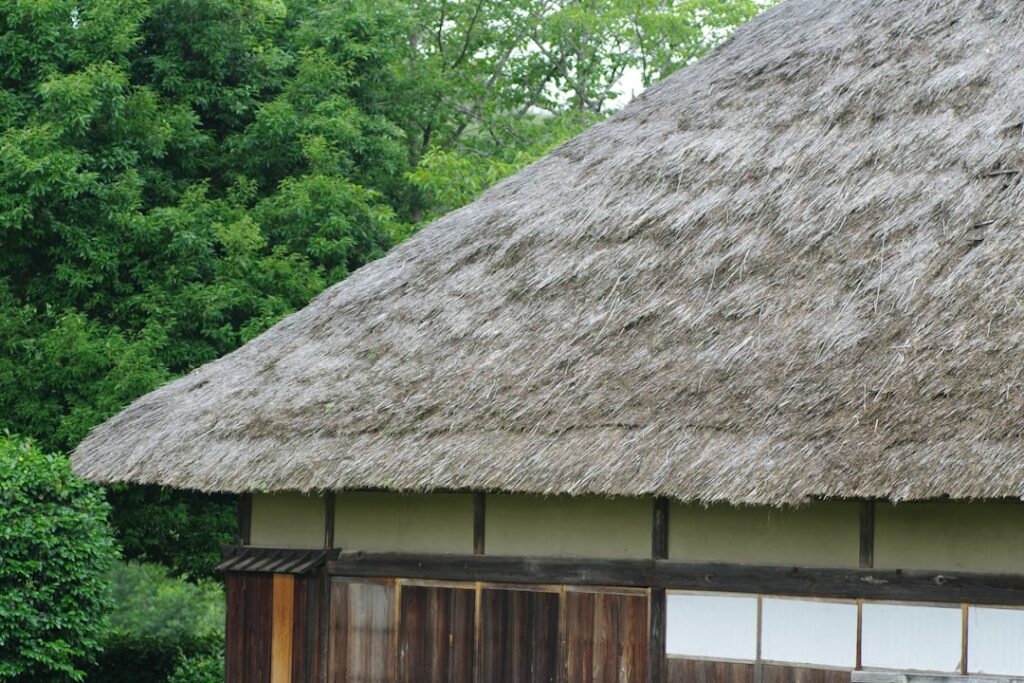

Do you dream of stepping back in time and living the life of a samurai, even just for a night? Far from the bustling neon cities, Japan’s hidden mountain villages offer one of the country’s most authentic and immersive travel experiences: staying in historic samurai homes. In this guide, we’ll journey through the world of “samurai homestays,” exploring centuries-old villages like Tsumago, learning about traditional houses, and discovering the unforgettable activities that put you at the heart of Japanese history. Whether you’re a die-hard history fan or an adventurous traveler, this deep-dive will inspire your next journey to Japan’s cultural roots.
The Enduring Allure of Japan’s Samurai Heritage

Samurai, the legendary warriors of feudal Japan, have been a source of fascination both in Japan and around the world for centuries. Beyond the cinematic image of fierce battles and gleaming swords, samurai upheld a sophisticated code of honor, loyalty, and discipline called Bushido. Their influence shaped the course of Japanese culture, from art and architecture to language and etiquette.
Today, visitors to Japan can sense traces of the samurai spirit, not only in museums but in the well-preserved villages and traditional homes where these warriors once lived. The experience offers a rare chance to walk the same cobblestone streets, sleep on tatami mats, and discover ancestral traditions that have stood the test of time.
What are Samurai Homestays? Why Are They Trending Now?

Samurai homestays invite travelers to spend the night in traditional Japanese inns (ryokan) or restored samurai residences, often run by families whose ancestors once served as warriors. These unique accommodations are typically located in villages that were key stops along ancient trade routes or castle towns, steeped in living history.
What makes this trend special in 2026 is its focus on authentic experience: you’re not just admiring history from afar, but interacting with it. Guests are offered hands-on activities—trying on antique armor, learning proper etiquette, or preparing meals using centuries-old recipes. Samurai homestays are gaining popularity thanks to travelers’ growing appetite for meaningful, immersive stays that foster cultural connection and personal reflection. In a fast-paced world, they offer rare calm and a sense of belonging to something timeless.
Discovering the Hidden Villages: Tsumago and Traditional Samurai Homes

One of the best places to experience samurai history firsthand is Tsumago, a jewel of the Kiso Valley along the historic Nakasendo trail. Here, electricity cables are hidden underground, cars are limited, and the wooden post towns remain frozen in time. Strolling through Tsumago is like walking through a living museum—the air still carries the scent of cedar, and visitors are greeted by centuries-old signage and quiet waterways.
Samurai homes, or bukeyashiki, feature characteristic black-tiled roofs, latticed wooden facades, sliding shoji doors, and carefully tended gardens. Thick earthen walls offer insulation, and mats of woven straw (tatami) provide comfort and style. Many such houses have been carefully preserved or restored, allowing guests to appreciate the craftsmanship of the Edo Period up close.
Other locations, such as Magome and Narai further down the Nakasendo, or villages in Fukushima and Akita, also offer similar immersive homestay experiences for those wishing to step off the beaten path.
From Kimono Dressing to Sword Play: Activities & Guest Stories

To transform a stay into an unforgettable memory, samurai homestays are packed with hands-on activities. A few favorites:
- Kimono & Armor Wearing: Dress in elegant kimono or sturdy samurai armor and pose for commemorative photos surrounded by rustic scenery.
- Katana Basics: Learn the basics of handling a katana (Japanese sword), guided by instructors with deep local roots.
- Traditional Cooking: Enjoy farm-to-table meals featuring local specialties like mountain vegetables, river fish, and rice cooked over a wood fire.
- Tea Ceremonies & Calligraphy: Join calming tea ceremonies and try your hand at calligraphy, guided by hosts who are guardians of living tradition.
Guests often rave about the warmth and knowledge of their hosts. As one traveler from France remarked: “Sleeping on tatami and waking up to birds in Tsumago—this wasn’t just a stay, but a bridge to another world.” Another guest from Canada described, “Donning armor and learning about bushido from the family ancestors made me feel truly connected to Japan’s soul.”
Why Samurai Homestays Are a Must for History and Adventure Lovers & How to Book

For anyone seeking more than just sightseeing, samurai homestays offer a transformative journey into the roots of Japanese culture. Why do they appeal so strongly to travelers?
- Authenticity: You’re living in history—not just observing, but participating in age-old customs.
- Personal Growth: Activities encourage mindfulness, discipline, and appreciation for craftsmanship.
- Connection: Guests form meaningful bonds with local hosts and fellow travelers.
- Scenic Escapes: Villages like Tsumago are set amidst breathtaking nature and far removed from tourist crowds.
Booking is surprisingly easy: many homestays are listed on English-friendly platforms like Rakuten Travel, Airbnb, or Japanican. It’s recommended to book at least a month in advance, especially during spring sakura and autumn leaves seasons. Access to villages like Tsumago is possible by train (via Nakatsugawa station), followed by bus or taxi. Local tourism offices provide downloadable maps and tips for a smooth journey.
In a world chasing speed and novelty, samurai homestays invite you to slow down, look deeper, and create a memory that will linger long after you return home. Why not answer the call of Japan’s living history on your next adventure?