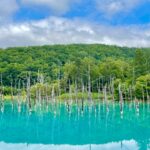
Are you longing to escape the urban frenzy and experience a spring awakening in Japan’s hidden forests? This deep-dive article takes you beyond the usual tourist trails to Japan’s lesser-known shinrin-yoku (forest bathing) destinations. Discover tranquil walks under blossoming canopies, unique wellness retreats, and practical travel tips to immerse yourself fully in the revitalizing essence of Japanese spring.
What is Shinrin-yoku? The History and Modern Significance in Springtime Japan

Shinrin-yoku, or “forest bathing,” is a quintessential Japanese wellness practice that emerged in the 1980s. The concept is simple: immerse yourself in nature by walking slowly through a forest, engaging all five senses. Originally developed as an antidote to stress and burnout during Japan’s economic boom, shinrin-yoku has roots embedded in Shinto and Buddhist respect for nature.
Today, in spring—when cherry blossoms and fresh greens awaken forests across Japan—shinrin-yoku draws a new generation of seekers from both Japan and abroad. Scientific research confirms what tradition has always suggested: forest bathing reduces stress, boosts mood, and enhances immune function. In 2026, as Japan’s focus on authentic, sustainable wellness tourism grows, shinrin-yoku is making a vibrant comeback, with local communities curating unique experiences away from the mainstream.
Secret Local Shinrin-yoku Spots & Experiential Spring Tours
While iconic destinations like Aokigahara or Yakushima attract crowds, the true magic of spring shinrin-yoku lies in offbeat, under-the-radar locales. Consider the forests near the Tottori Sand Dunes—the only place in Japan where rolling sand dunes are bordered by lush groves. Here, local guides offer sunrise forest walking tours that blend the shifting textures of sand and pine, often ending with traditional sand-bathing rituals.
Another hidden gem is Akita Komaga-take in Akita Prefecture. This dormant volcano is surrounded by beech forests that burst into brilliant yellow-green in April. Guided nature therapy walks here often include mindfulness breathing exercises, forest tea ceremonies, and participatory workshops with community artisans. Far to the south, the Kumano Kodo pilgrimage routes in Wakayama Prefecture offer experiential walking tours through ancient cedar-lined paths—recognized for centuries as portals of spiritual rejuvenation.
These locally-run tours ensure cultural authenticity and intimacy. Being part of small groups often means exclusive access to areas most tourists would never discover, and the added benefit of stories and wisdom passed down by those who call these forests home.
Wellness Retreats, Rural Inns, and Healing Experiences Amid Spring Greenery

Beyond day visits, Japan’s remote forest regions are home to wellness retreats and family-run ryokan inns offering immersive healing. Many places combine modern mindfulness with traditional rural hospitality. Picture soaking in an open-air onsen bath, enveloped by the sight of youthful green leaves, mist, and birdsong.
A number of these retreats—such as those found near the Kumano Kodo or deep in Tohoku’s mountain villages—serve locally-sourced, seasonal cuisine highlighting wild vegetables, river fish, and hand-picked mountain herbs. Programs may feature forest meditation, guided yoga among ancient trees, and seasonal foraging experiences.
What makes these stays memorable is their deep connection to community. You might join an early-morning taiko drum meditation, help prepare miso with a local elder, or relax with tea brewed from mountain spring water. The overall effect is ultimate rejuvenation in settings totally untouched by mass tourism.
The Healing Impact of Shinrin-yoku and Japan’s Unique Wellness Culture

Scientific studies continue to uncover the wide-ranging benefits of forest therapy, from reduced stress hormones to increased creativity and resilience. These effects are even more profound in spring, when the awakening forest teems with renewal. In Japan, shinrin-yoku is cherished as both a spiritual and practical medicine—an intentional slowing down in a world that never stops.
But shinrin-yoku is more than a bath in greenery. It’s a cultural bridge—a way to reconnect with impermanent seasonal beauty (wabi-sabi) and the Japanese belief that the forest itself is alive and communicative. For urban travelers, engaging in these rituals is a rare window into how Japan balances progress with deep-rooted nature worship.
Many visitors not only leave feeling physically refreshed but also carry home a transformed sense of time and space, inspired to cultivate moments of quiet mindful observation in their daily lives.
Practical Access Tips & Local Advice for Your Shinrin-yoku Journey

Planning your spring shinrin-yoku adventure? Many of the most rewarding sites are accessible by Japan’s efficient rail system—local lines extending deep into the countryside. It’s recommended to check schedules in advance, as rural trains and buses may run infrequently. For remote trailheads around Tottori or Akita, renting a car offers the most flexibility.
Bring sturdy, comfortable walking shoes, a light waterproof jacket, and a daypack with water and snacks. Local guides speak basic English at many of the featured spots, but booking through regional tourism offices can help break the language barrier and enrich your experience.
Most importantly, respect the delicate natural environment and local customs: stay on designated paths, don’t pick wildflowers, and join locals in greeting fellow forest walkers with a warm “konnichiwa.” By traveling mindfully and supporting rural communities, you’ll ensure these secret retreats continue to flourish for generations.