
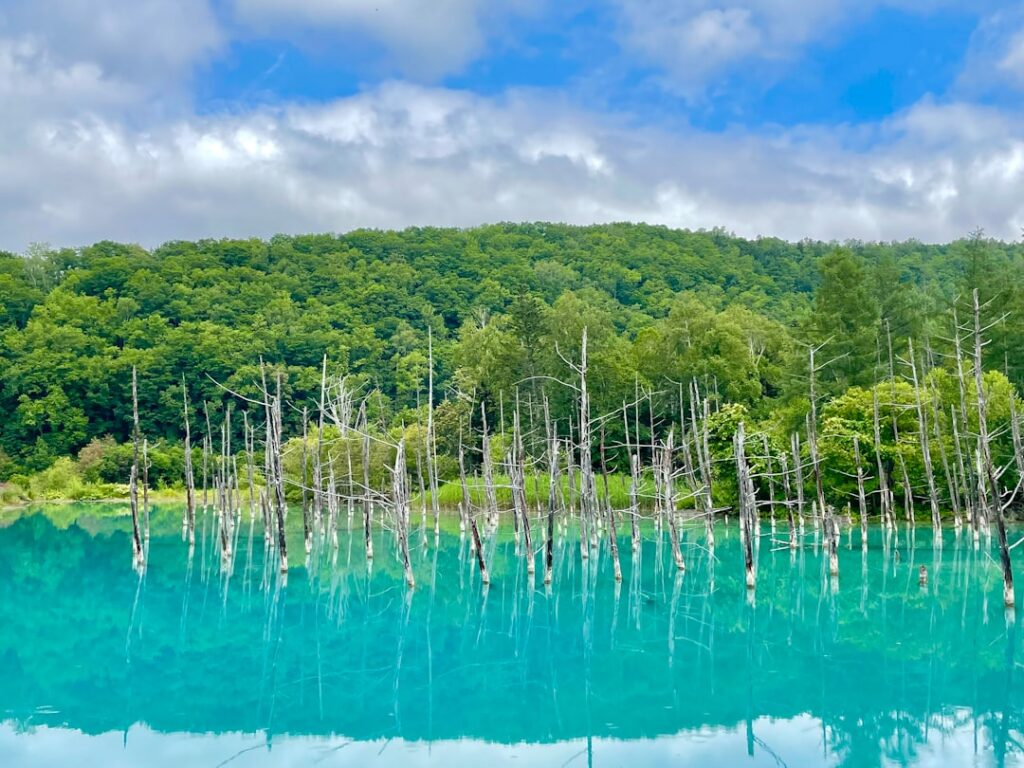

Are you dreaming of an escape into the untouched wilds of Japan? In 2026, Hokkaido’s forests have blossomed as the new heart of Japan’s “forest glamping” culture, now cherished by adventure seekers and nature-loving travelers alike. This immersive form of eco-travel lets you sleep beneath centuries-old trees, savor local ingredients by the campfire, and support sustainable practices—all while enjoying the comforts of a boutique hotel in the woods. Join us as we unveil the latest trends, secret locales, unique glamping experiences, and insider’s tips for a journey you’ll never forget.
The Latest Forest Glamping Trend in Hokkaido: What’s Hot in Spring 2026?
Hokkaido has always been a haven for nature enthusiasts, but in spring 2026, “forest glamping” (forest + glamorous camping) has brought newfound life to its woodlands. This immersive camping style blends the comfort of luxury lodging with the serenity of Hokkaido’s wild forests. Domestic and international travelers are flocking here, drawn by the chance to experience Japan’s northern wilderness up close—sans the hassle of traditional camping. The post-pandemic eco-tourism boom, a renewed appreciation for mindful travel, and social media’s fascination with “hidden gems” have all fueled this movement. Picture waking to birdsong, surrounded by lush undergrowth and the scent of ancient cedar: this is forest glamping, Hokkaido style.
Secret Eco-Stays Deep in Hokkaido: Local Picks for Pristine Forest Retreats
Most travelers will never hear about Hokkaido’s most magical glamping retreats—unless they have insider knowledge. Beyond the spots featured in glossy travel guides, real gems lie in the lesser-known forests of Furano, Hidaka, and even the wild reaches of Shiretoko. These eco-stay facilities are typically hidden in old-growth woodland, accessible only via winding trails or exclusive shuttles. Some feature geodesic domes perched above misty valleys, while others opt for cozy wooden cabins nestled alongside babbling brooks. Power is often sourced from the sun or local streams, and architecture is designed to blend seamlessly with the surrounding nature. Privacy and exclusivity are key: you may find yourself as the only guest, accompanied only by deer and native songbirds. Attentive hosts—often locals passionate about nature—provide tailored recommendations for forest walks, wild hot springs, and even nighttime stargazing free from city lights.
Local Food, Unique Activities & Heartfelt Hospitality: The Forest Glamping Experience

Forget city menus—Hokkaido’s forest glamping means hyper-local food, interactive activities, and genuine hospitality. Begin your morning with an outdoor breakfast of wild mountain vegetables (sansai), free-range eggs, and freshly baked bread made on-site. For dinner, enjoy grill-your-own Hokkaido venison or seafood under the stars, prepared with the guidance of expert local chefs. Activities go far beyond hiking: try hands-on foraging for mushrooms, guided canoe trips on emerald lakes, or natural dye workshops. And the “omotenashi” (Japanese-style hospitality) here is something special: hosts may share family stories or invite guests to local festivals, ensuring each visit feels like a homecoming. Nights wind down with campfire storytelling or a private hot spring soak—creating memories only possible in the heart of Hokkaido’s forests.
Eco-Friendly Initiatives: Experiencing Forests Sustainably

Forest glamping in Hokkaido isn’t just about luxury—it’s about deep respect for nature. Many retreats are leaders in responsible tourism: composting toilets and “leave no trace” principles come standard. Some use solar panels or small-scale hydroelectric, while water is often sourced and filtered from nearby springs. Guests are encouraged to minimize waste, recycle diligently, and take part in conservation activities like tree planting or wildlife monitoring. Guides explain the cultural and ecological value of the local forests, helping visitors form a real connection with Japan’s northern ecosystems. By choosing these eco-stays, you don’t just admire the forest—you become a protector of it, ensuring these ancient woods thrive for generations to come.
Booking, Access & Local Tips: How to Prepare for a Dream Glamping Adventure

Ready to embark on your own glamping escape? Here’s what you need to know. Booking is best done 2–3 months in advance—popular glampsites fill up quickly, especially in late spring and early autumn. Many eco-stays offer English support via their websites or through major travel portals.
Access varies: while some are reachable by public transport plus a short shuttle ride, the deepest retreats may require car rental from Sapporo or Asahikawa. Plan to bring layered clothing (temperatures are brisk, even in May), eco-friendly toiletries, insect repellent, and a camera for the forest’s changing moods. Don’t forget: each season brings something special—cherry blossoms in May, fireflies in June, and mushrooms in September. Above all, respect the tranquility and leave only footprints, ensuring these magical woods remain unspoiled for all who follow.
