
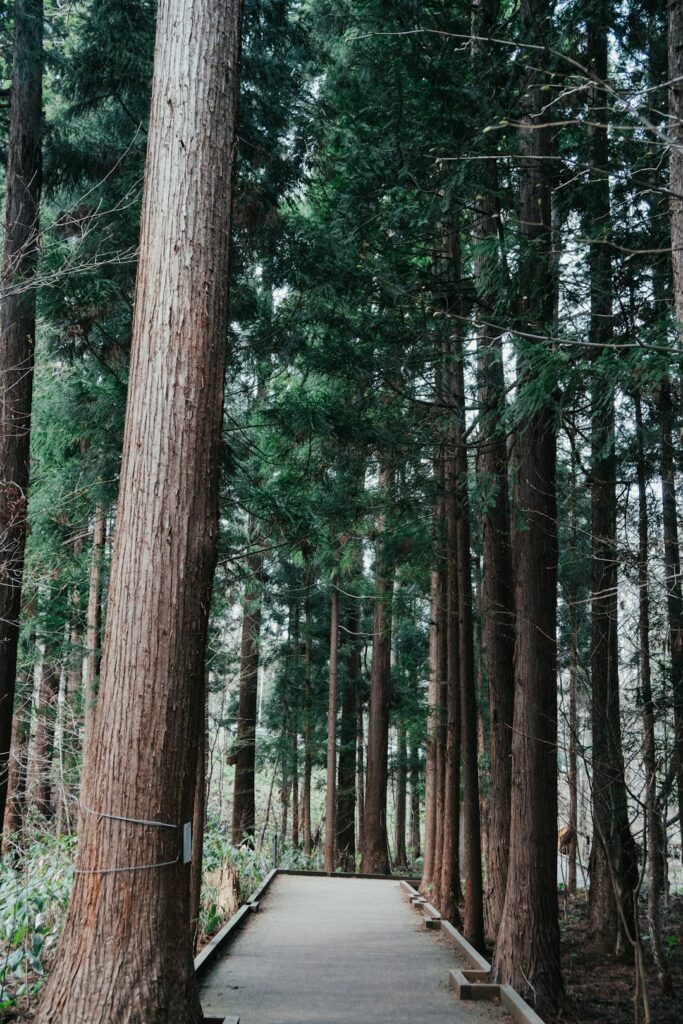

Japan is world-renowned for its refined approach to wellness and deep connection with nature. In recent years, a new craze has sprung from the nation’s forests: the forest sauna retreat. Combining ancient sauna traditions with immersive outdoor experiences, these retreats let you sweat, soak, and savor the wild heart of Japan’s untouched woods. Whether you are a wellness traveler looking for unique self-care experiences or a nature enthusiast seeking calm in the modern world, “forest saunas” are redefining relaxation. In this article, we’ll explore what forest saunas are, highlight some of the most stunning retreats in Hokkaido and Nagano, share local anecdotes, introduce the post-sauna foodie culture, and delve into the movement’s impact on Japan’s rural communities.
What is a “Forest Sauna”? Japan’s Unique Blend of Nature and Wellness

Far removed from bustling cities and neon lights, the Japanese forest sauna (森サウナ, mori sauna) transports wellness seekers into the heart of serene woodlands. At its core, the experience is a marriage of the traditional Finnish-style sauna with Japanese reverence for nature, often set in remote forests beside babbling streams, icy rivers, or lakesides.
Visitors shed their worries (and sometimes their clothes!) to bask in wood-fired heat before plunging into pristine natural waters for exhilarating contrast therapy. The clean mountain air, the scent of Japanese cedar or birch, and the view of dancing leaves combine to create powerful mental and physical rejuvenation. Unlike urban spas, here the wild energy of nature is the main amenity—an essential part of the healing process.
Featured Destinations: Forest Sauna Retreats in Hokkaido and Nagano
Although scattered throughout Japan, some of the finest and most innovative forest sauna retreats reside in Hokkaido and Nagano—regions famous for their lush forests and invigorating climate. In Hokkaido, the noble birch woods of Furano shelter “Sauna Village Tomamu,” where visitors alternate between rustic wooden saunas and icy outdoor rivers. Another favorite is “Lake Shikotsu Tsuruga Resort Spa Mizu no Uta,” where private steam rooms open onto tranquil lake vistas.
Down south in Nagano, the alpine “森と水のアウトドアサウナ (Forest & Stream Outdoor Sauna)” offers barrel saunas next to the sparkling Chikuma River, with huge panoramic windows framing the Japan Alps. Many of these establishments have adopted eco-friendly designs that minimize their impact and offer luxurious glamping accommodations for overnight stays. Each retreat offers a unique taste of Japanese hospitality—known as “omotenashi”—amidst spectacular natural beauty.
Local Stories: Deep Dive into the Forest Sauna Experience

Ask a local or a visiting traveler, and you’ll hear stories that go beyond simple relaxation. Yuka, a Nagano native, recounts how her “森サウナ” ritual is a form of therapy—she enters with anxieties and leaves with clarity. Foreign visitors, too, quickly become enchanted. Ella from Sweden shared, “I’ve visited saunas my whole life, but nothing compares to bathing surrounded by ancient Japanese pines, listening to waterfalls and wild birds.”
Group sauna sessions spark new friendships over cups of locally-brewed herbal tea. Some retreats offer guided forest walks before sauna time, blending mindfulness and immersion with local guides explaining flora, fauna, and even traditional forest lore that deepens the healing. For many, this is more than just a spa—it’s a gateway into the soul of Japan’s rural heartlands.
Forest Sauna Meets Local Cuisine: Savoring Foodie Culture After the Steam

One of the most beloved aspects of forest sauna retreats is the post-sauna feast. Many venues pride themselves on “地産地消” (chisan-chisho: local production for local consumption), serving up rustic meals with foraged wild vegetables, miso soup simmered over hot coals, and hearty rice dishes. Hokkaido retreats might offer venison stew or grilled river fish, while Nagano’s specialties include handmade soba and mountain mushroom hotpots.
Some places even host open-air picnics where sauna-goers gather in clearings to share bento boxes amidst towering trees—a fleeting but unforgettable woodland banquet. The focus on freshness, simplicity, and regional flavors turns each meal into a moment of connection with the land and its people, amplifying the wellness benefits of the entire experience.
Future Prospects: Forest Saunas, Rural Tourism, and Revitalizing the Japanese Countryside

The forest sauna boom is doing more than transforming wellness culture—it’s reshaping rural economies and breathing new life into once-forgotten communities. Increased demand for sustainable travel is drawing young entrepreneurs and architects to villages, where they revitalize abandoned buildings as eco-sauna lodges, integrate forest therapy experiences, and protect local landscapes.
Local governments are also teaming up with tourism organizations to cultivate this trend, seeing it as a way to promote low-impact, year-round tourism that supports family farms and small businesses. As travelers flock to rural Japan for authentic healing experiences, the positive ripple effects are felt in artisan food markets, traditional crafts, and the preservation of Japan’s magnificent natural heritage. The wild steam is rising—and with it, a new golden age of “wellness in the wild” awaits.
