Discover a world beyond the typical tourist trail in Japan—hidden deep within the rolling hills and lush mountains of Shizuoka, secret tea villages are waiting to unfold their stories. While Shizuoka is well known as Japan’s premier green tea region, most travelers only scratch the surface, missing the enchanting rural settlements that produce some of the country’s finest teas. This article guides you to Shizuoka’s best-kept secrets: its hidden tea villages. Venture off the beaten path, meet the people behind the tradition, and experience authentic tea culture in its birthplace.
Why Shizuoka Is the Heart of Japanese Green Tea Culture
Shizuoka Prefecture, stretching from the Pacific coastline to the majestic peaks of Mt. Fuji, produces more than 40% of Japan’s green tea. Its unique topography, misty climate, and mineral-rich river valleys create ideal conditions for growing high-quality tea. But behind the region’s mass production, a network of secluded villages preserves time-honored practices, scenery untouched by modernization, and a rare glimpse into the soul of Japanese tea.
These hidden tea villages are not just places of production—they are living museums of rural culture with generations of families whose lives revolve around the tea bush. From the subtle aroma of freshly steamed leaves to the sight of tea pickers moving in harmony, every detail in these villages resonates with authenticity. The lure for travelers? Seeing, touching, and tasting tea in its original setting—and becoming part of a story that spans centuries.
Exploring Asahina and Other Hidden Villages: Tea Field Tours and Picking Experiences
If you dream of wandering through endless green, Asahina—one of Japan’s most historic gyokuro (high-grade green tea) villages—is a must-visit. Tucked away in Fujieda City, Asahina and similar villages such as Ryogouchi and Motoyama reveal a slower pace of life shaped by tea. The journey itself is half the adventure: winding backroads, old wooden post stations, and mist that hugs the valley floor at dawn.
Many local co-ops and family-run farms in these villages offer immersive tea field tours and tea picking experiences. Visitors can don traditional conical hats, walk among meticulously pruned bushes, and try their hand at harvesting the tender spring shoots. Farmers eagerly share insights into organic cultivation, shading techniques for producing gyokuro, and innovative new blends. Some tours even end with a picnic, featuring onigiri and tea brewed seconds after harvest—a sensory delight found nowhere else.
Authentic Tea Ceremony in Traditional Tea Houses: Living Culture with the Locals

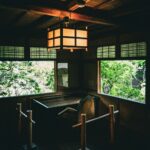
Beyond the fields, step into centuries-old tea houses where the rituals of Japanese tea drinking come alive. In these intimate tatami rooms, surrounded by the soft scent of natural materials and hillside breezes, local tea masters demonstrate the art of “chado”—the way of tea. You’ll witness every detail, from the careful selection of utensils to the graceful choreography of water, tea, and gesture.
Joining these ceremonies with local residents is an experience rarely found in urban Japan. Conversations often drift from the nuances of umami in gyokuro to legends of the village, or even to laughter over shared seasonal sweets. These moments bridge the gap between travel and genuine connection, imparting an understanding of tea as a total way of life.
Delight in Local Flavors: Regional Treats and Rare Green Tea Varieties

No visit to these villages is complete without tasting their exclusive culinary offerings. Alongside multiple grades of green tea—ranging from rich, shade-grown gyokuro to robust sencha and delicate tamaryokucha—you’ll find a collection of regional sweets and savories. Traditional wagashi (Japanese confections) prepared with local seasonal ingredients perfectly complement the vivid flavors of green tea.
Unique souvenirs abound, such as green tea-flavored yokan (sweet bean jelly), hand-roasted tea leaves, or ceramic cups handcrafted by village artisans. Many villages encourage guests to sample and purchase rare teas, some of which are unavailable outside Shizuoka or are made in limited, single-estate batches. For enthusiasts, this is a chance to taste the essence of place within every cup.
Final Thoughts: The Value of a Deep Tea Village Journey and Essential Etiquette
A journey into Shizuoka’s secret tea villages offers far more than a scenic escape—it is an invitation to immerse yourself in deep-rooted culture, rural hospitality, and the slow pleasures of the Japanese countryside. The generosity of local people, the stories woven into every cup, and the harmony with nature are memories to cherish long after your visit.
To ensure a positive experience for both guests and hosts, keep a few points in mind: always ask before photographing people or private property, follow guidance during tours, and show gratitude for hospitality (a simple ‘arigatou gozaimasu’ goes a long way). Don’t rush; allow yourself time to savor the landscape, engage with villagers, and reflect on the journey’s deeper meaning. By approaching with respect and curiosity, you help preserve these precious communities for generations to come.