

Japan is home to a myriad of cultural discoveries, but in 2026, one of the most fascinating trends for true explorers lies not in the big cities, but hidden away in the picturesque countryside. The deep local cafés of rural Japan—often overlooked sanctuaries—have begun to capture the hearts of wanderers craving authenticity, slow travel, and real connections. This article uncovers these untold stories, exploring the essence of Japan’s rural café boom and offering first-hand insights from obscure villages, passionate café owners, and immersive experiences far away from mainstream tourism.
The Rural Café Boom: Why Japan’s Countryside is Sipping in Style
While Japan’s urban coffee culture is well-known, 2026 has witnessed a new wave: the rise of deep local cafés in rural, often hard-to-reach corners. Sparked by the remote work revolution and a national movement toward rural revitalization, these cafés aren’t just about coffee—they are about community, regional pride, and a slower, more intentional way of life. Often occupying renovated kominka (old farmhouses) or nestled beside scenic rice fields, these sanctuaries blend nostalgia, creativity, and local stories. Visitors are drawn by a desire to connect deeply with the region’s character, enjoy thoughtfully crafted menus, and be part of a social renaissance that celebrates Japan’s hidden heartlands.
Café Hopping in Hidden Towns: Shirakawa-go, Tottori, and Kurashiki
Step away from the neon lights of Tokyo and Osaka and you’ll discover cafés that feel like secret invitations into rural Japanese life. In Shirakawa-go, a UNESCO-listed village known for its gassho-zukuri farmhouses, tiny coffee shops emerge amid thatched roofs and misty mountain backdrops. At sunrise, the aroma of single-origin brew wafts from windows painted by morning dew.
Travel west to the sandy coasts of Tottori, and you might stumble upon a coastal café converted from an old fisherman’s home. With panoramic sea views and tables crafted from driftwood, these spots serve not just drinks, but tales of sea-bound lives.
Meanwhile, in Kurashiki, a historic canal town, alleyways bloom with hidden cafés behind old kura warehouses. Many partner with local ceramicists and bakers, offering patrons a taste of the region’s evolving artistic spirit alongside their coffee and cakes. Each establishment reflects the ingenuity of owners committed to sharing the stories of their land with every cup.
Regional Flavors and Personal Stories: The Satoyama Café Ethos

The menus in these rural cafés are a revelation. Cafés like Satoyama Café take pride in the use of hyper-local ingredients for their offerings—think handpicked sansai (mountain vegetables), locally roasted beans, or cakes infused with yuzu from the owner’s own garden. Every bite and sip is an invitation to discover rural Japan’s culinary terroir.
But the flavors are only part of the experience. Engaging directly with café owners, you’ll hear stories of city escapees realizing childhood dreams, or multi-generational families using their cafés to protect cultural heritage. One owner in Gifu preserves her grandmother’s mochi recipe, serving it to curious travelers as she recounts tales of village festivals. In Tottori, a husband-and-wife team welcomes guests with coffee ceremoniously poured over locally forged ceramics—each piece a collaboration with friends in the town.
Beyond Coffee: Experiential Cafés and Rural Creativity

What sets these cafés apart is their immersive spirit. No longer just places to sip and go, the newest trend is the experiential café—where guests participate in everything from slow-drip coffee workshops and seasonal foraging tours to shibori dyeing sessions and calligraphy classes. Some rural cafés collaborate with farmers and craftspeople, allowing guests to roast beans over an open fire or learn traditional snack-making alongside local grandmothers.
This active approach invites deeper connection. Travelers share stories at communal tables, learn skills unique to the region, and take home not just souvenirs, but memories formed with locals. For many, these experiences become the highlight of their Japanese journey—personal, creative, and inextricably linked to the land.
How To Visit: Tips for the Adventurous Coffee Lover
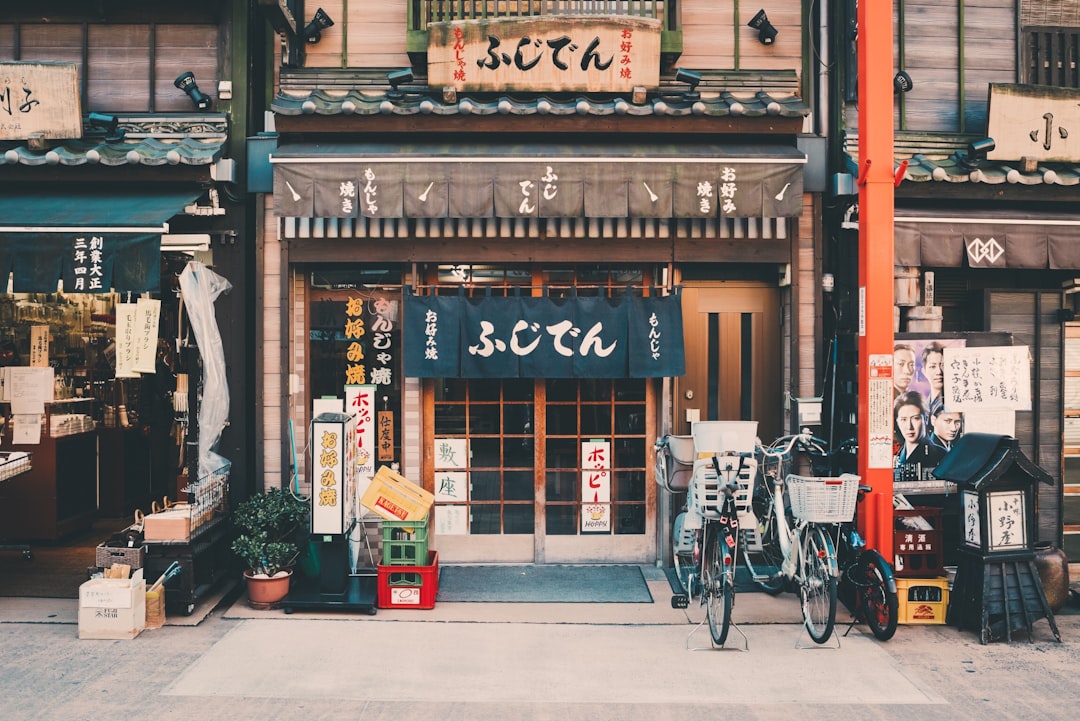
Reaching these hidden cafés requires a little bit of planning and a spirit of adventure. Public transportation to rural areas is often limited—renting a car or e-bike can grant more flexibility. Many locals appreciate a simple greeting in Japanese, and an open curiosity about their village customs. Most rural cafés close early and have limited seating, so a reservation or an early arrival is wise.
Respecting the calm of the countryside is essential: keep noise low, support local artists and farmers, and take the time to linger. Most importantly, let your journey be guided not only by Google Maps but also by conversation—local recommendations often lead to the most magical discoveries.
Whether you are a seasoned café-hopper or a first-time visitor to Japan’s remote regions, you’ll find that every rural café offers an invitation: to taste, to listen, to create, and to connect. These secret sanctuaries aren’t just about coffee—they’re about reviving the arcane stories and gentle rhythms of rural Japan, one cup at a time.
