
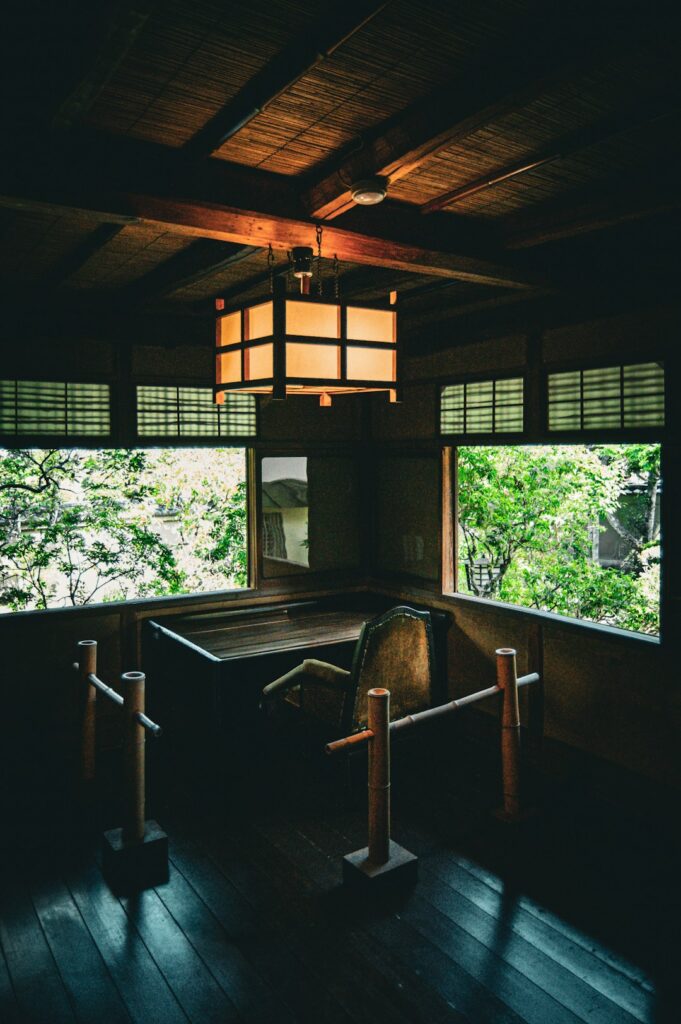

Japan’s legendary onsen (hot spring) towns have long been a magnet for those seeking tranquility, rejuvenation, and a touch of the country’s deep tradition. But now, in 2026, a vibrant revival is underway. Retro onsen destinations, beloved for their nostalgic charm, are not only preserving their cultural heritage but also boldly embracing sustainability and holistic wellness. Let’s take a mindful journey into the heart of Japan’s reinvented hot spring culture, where the past and future soak together in harmony.
The Retro Onsen Revival: Why 2026 is the Year of Sustainable Wellness Escapes
In recent years, Japan has witnessed a powerful shift toward sustainable living and wellness-focused travel. As climate awareness deepens, and the world craves authentic, meaningful experiences, Japan’s retro onsen towns have made a spectacular comeback. Travelers in 2026 are not just looking for scenic baths; they expect energy-efficient accommodations, locally sourced cuisine, eco-conscious hospitality, and wellness programs rooted in centuries-old wisdom. This onsen revival is more than a trend—it’s a mindful movement.
Nostalgic Charm, Modern Mindset: The Icons of Retro Onsen & New Eco Hotspots

Step into Kinosaki Onsen in Hyogo, where willow-lined streets, colored yukata, and seven historic public bathhouses have made the town a living museum since the early 8th century. Despite the vintage atmosphere, Kinosaki has innovated with energy-efficient lighting, plastic-free policies, and even solar-powered “foot bath” benches. Similarly, Kusatsu Onsen in Gunma, famous for its 1,000-year-old yubatake (hot water fields), has unveiled new geothermal initiatives and green building standards while preserving its iconic “yumomi” water-cooling dance.
Emerging alongside these classics are lesser-known gems like Yufuin in Oita and Shibu Onsen near Nagano, which now invite travelers with carbon-neutral ryokan, rainwater recycling, and locally run outdoor “onsen cafés.” These towns unite nostalgia with a forward-thinking approach—making them must-visits for the eco-curious explorer.
Eco Ryokan and Wellness: Where Local Flavors Meet Mindful Hospitality
A true onsen experience is more than just a soak: wellness begins in the place you rest and the food you savor. In 2026, many long-standing ryokan (traditional inns) have transformed their operations to champion a new standard of eco-friendliness. Kinosaki’s Nishimuraya Honkan now boasts geothermal floor heating and serves up vegetarian kaiseki cuisine using pesticide-free vegetables from neighboring farms. Kusatsu’s Hotel Sakurai features tatami rooms with solar panels, low-flow baths, and an organic vegan breakfast buffet—unthinkable a decade ago.
Beyond accommodation, the onsen towns host wellness workshops: early morning yoga on bamboo decks, forest bathing in ancient cedar groves, and cooking classes focused on seasonal, plant-based ingredients. These immersive activities connect visitors with the land and its traditions, encouraging slow, purposeful travel.
Green Initiatives: How Entire Onsen Towns are Shaping a Sustainable Future
Sustainability is woven into the community fabric of these towns. Across Japan, local governments and business owners are collaborating on impressive projects—installing micro-hydroelectric plants to power bathhouses, implementing “zero waste” policies at local festivals, and restoring landscapes after decades of overdevelopment.
The Kusatsu Green Loop project, for example, turns onsen mineral byproducts into fertilizing agents for community gardens. In Shibu Onsen, residents and innkeepers have launched a “Bamboo Upcycle Market,” where discarded bamboo from old pipes is transformed into art and furniture. Guests are encouraged to participate in eco-volunteering, from riverside cleanup days to tree-planting events. These local projects not only make your stay more meaningful but also connect you directly with Japan’s evolving rural communities.
Traveler Stories & The Next Wave of Onsen Culture

Take it from international visitors who have recently soaked in the elegance of these revived towns. Ana, a Dutch digital nomad, describes her stay in Yufuin as “the most peaceful week of my life—I could taste the seasons in every dish and completely unplug in my eco suite.” Jay, an environmentalist from the U.S., found a sense of community while volunteering with Kusatsu’s river restoration project: “Traveling felt purposeful. I left inspired and connected.”
As onsen culture reinvents itself, these destinations are paving the way toward resilient, visitor-friendly communities where every bath supports wellness and positive change. In 2026 and beyond, Japan’s retro onsen towns remain timeless, yet newly relevant, embodying the art of living slowly, sustainably, and together.
